对不起啊 朝姐儿 我不是有意逼你
“I'm sorry, Zhao. I didn't mean to pressure you.”
THE DIALOGUE REEL
“I really don't know what kind of trouble he might cause.”
对不起啊 朝姐儿 我不是 有意逼你
“I'm sorry, Zhao. I didn't mean to pressure you.”
只是叶限那性子
“It's just that Ye Xian's temperament…”
“Forgive my bluntness, but I am desperate and have nowhere else to turn for help.”
In traditional Chinese extended households, family members often have to balance emotional solidarity with delicate negotiations, using polite disclaimers when imposing on relatives.
LEARNING CHUNKS & PARTICLES
did not mean to; was not intentional
A standard, polite spoken formula for apologizing when one has unintentionally caused pressure, hurt, or inconvenience.
Softens the direct apology and projects intimacy and gentle earnestness.
VOCABULARY & EXPRESSIONS
Parallel Spoken Cinema Scenes (语义近邻切片)
“I'm sorry. It's okay, Guo.”
“Sorry, hope I didn't cause you any trouble.”

“I'm sorry, Lian. It hurts so much.”
“Sorry, Sibo. It's my fault. It's all my fault.”

“I'm sorry for causing you trouble today. I'm fine.”
“I'm sorry. I'm late since I had something to do in the police station.”

“I'm so sorry. You didn't answer my calls.”
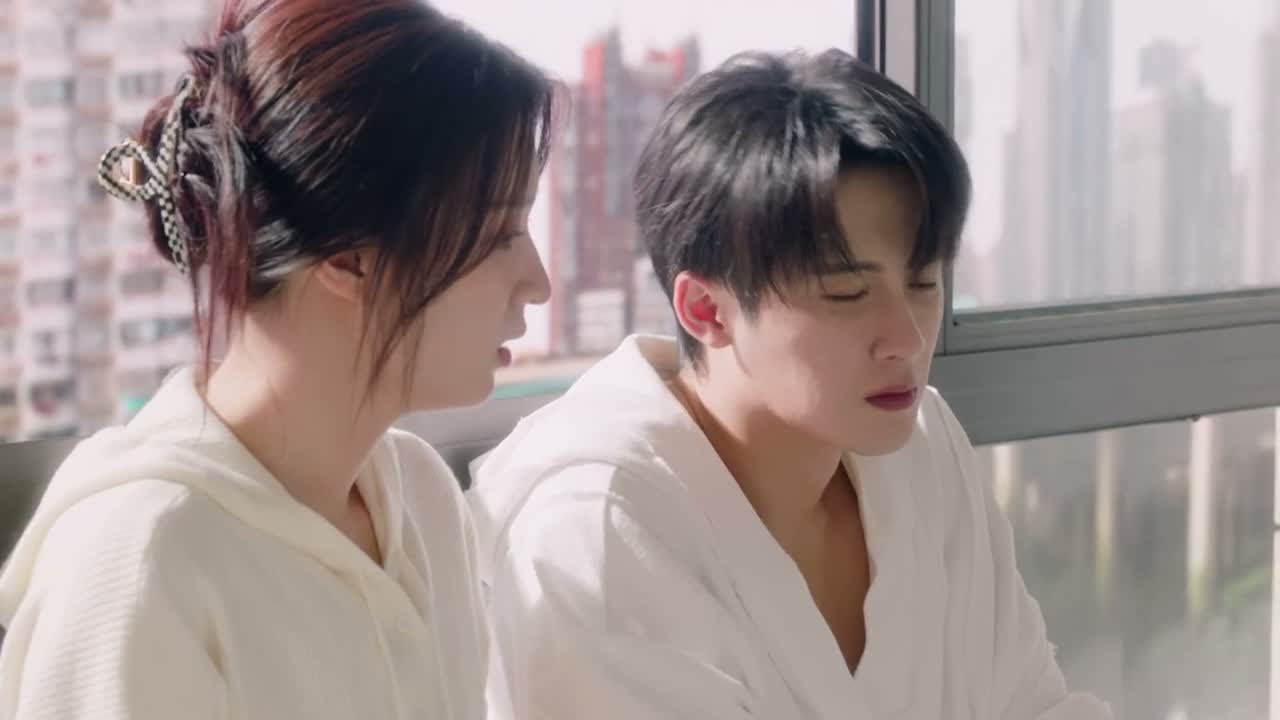
“Sorry for making a fool of myself.”

“♪ So why do I care for a single glance from you? ♪ I'm sorry, Shi. ♪ Drinking a pot of the past ♪”

“I'm sorry, Ms. Fang. I... Let me tell you,”
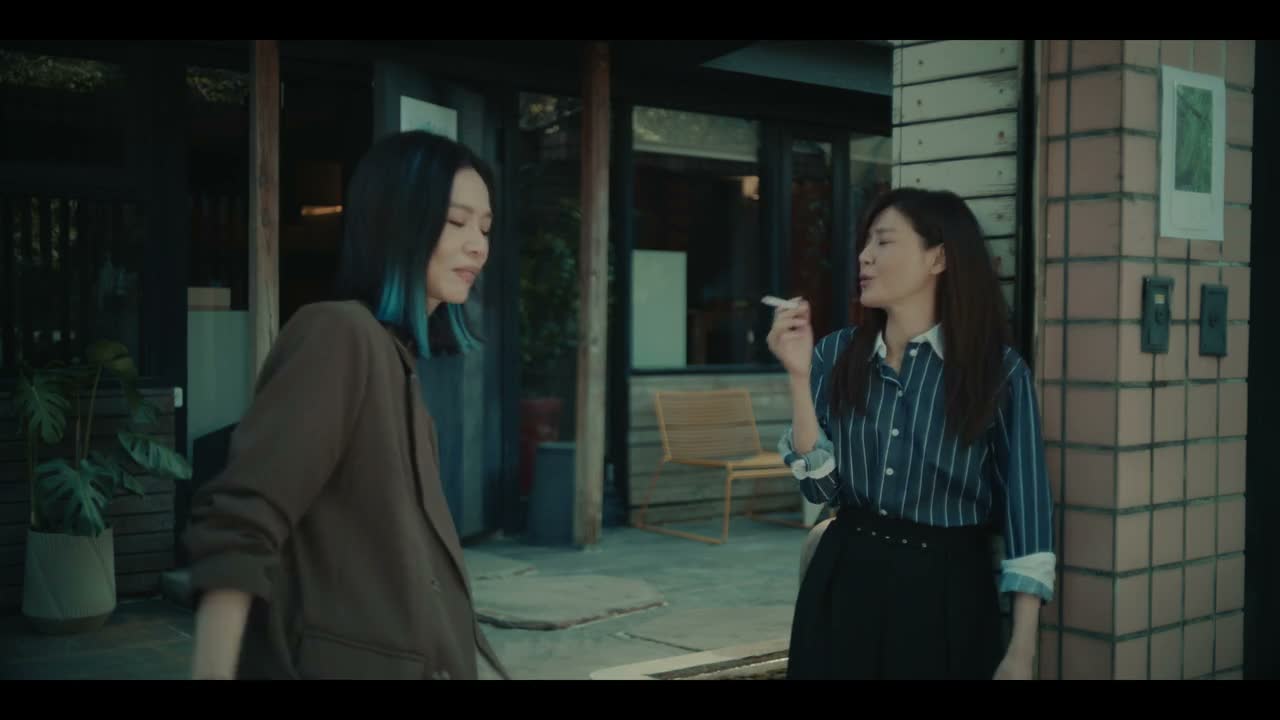
“Sorry, that was a total rejection.”

“Don't say sorry to me.”

“I'm sorry. I had no choice then.”

“I'm sorry. I really... No, it's me. It was my negligence. Let go of me.”
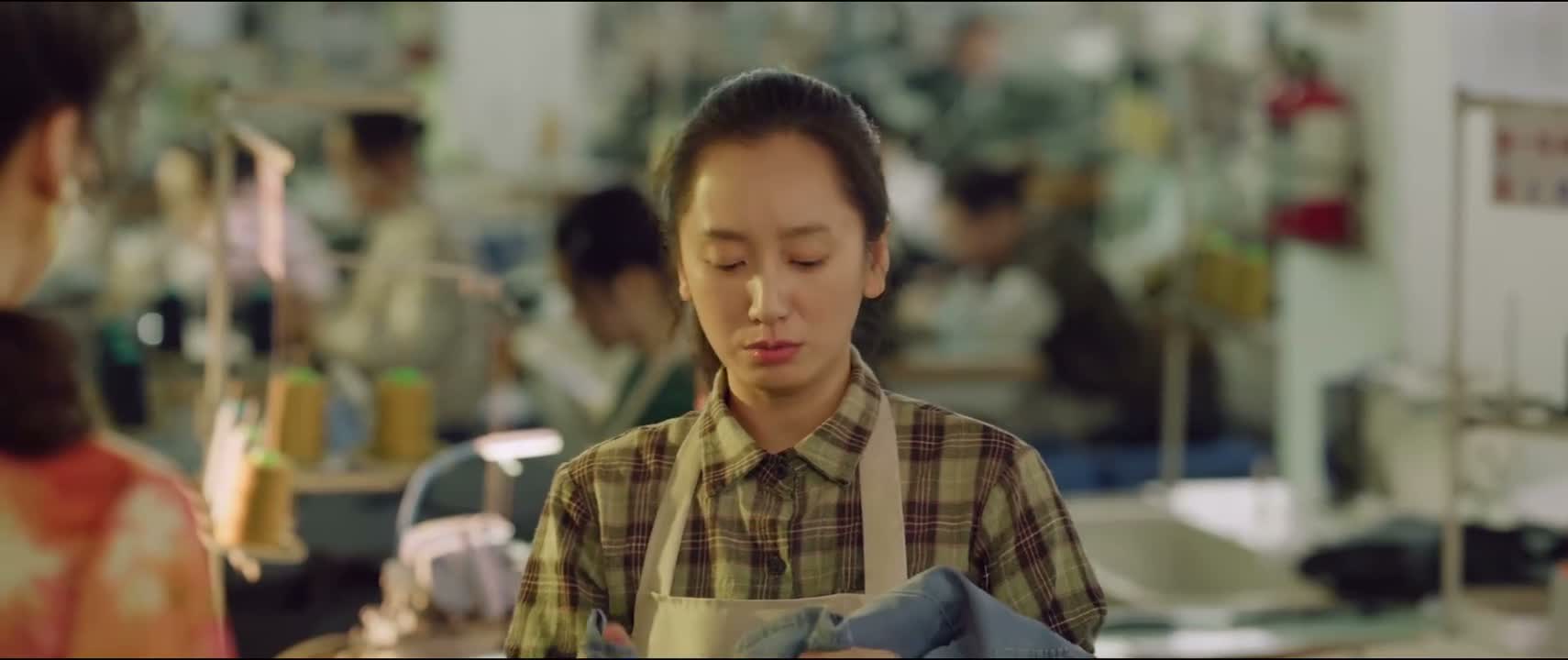
“I'm sorry. I'll re-sew it.”
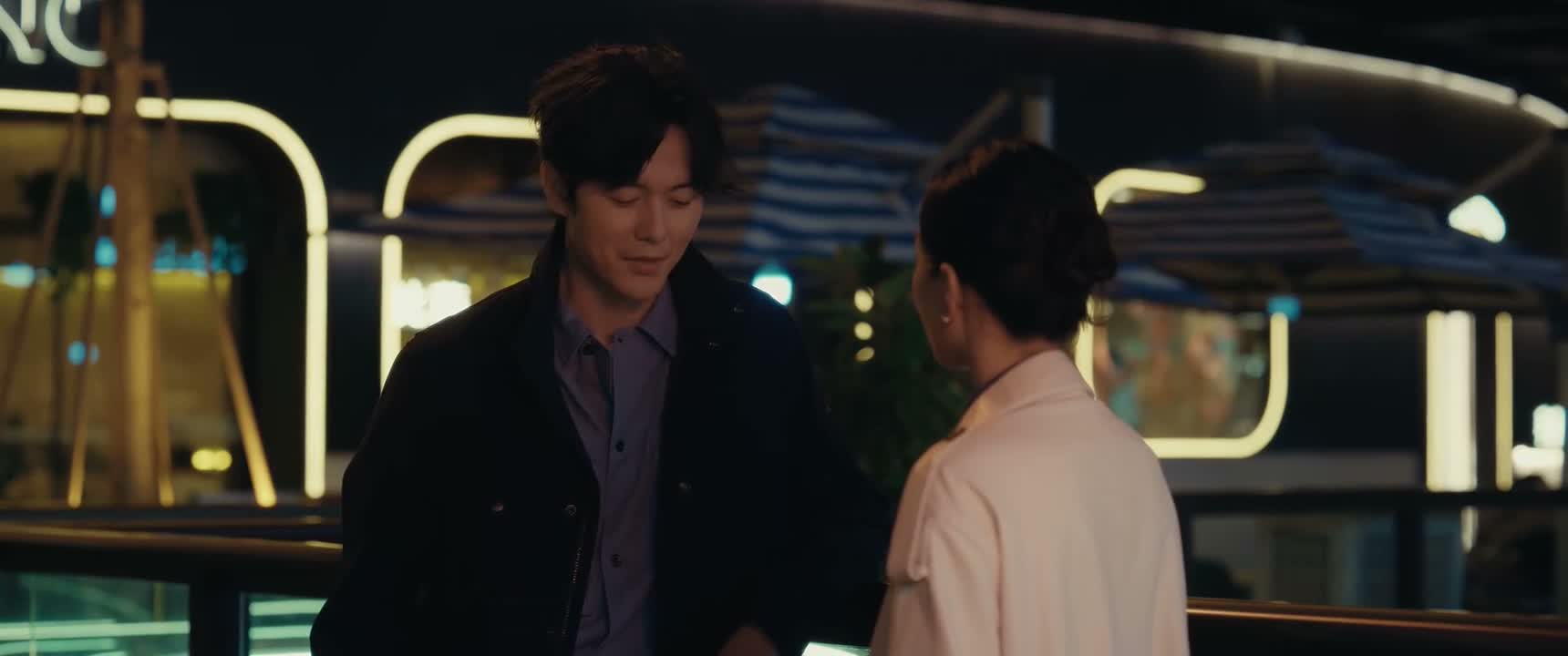
“Sorry. Don't worry. I won't tell anyone about this.”
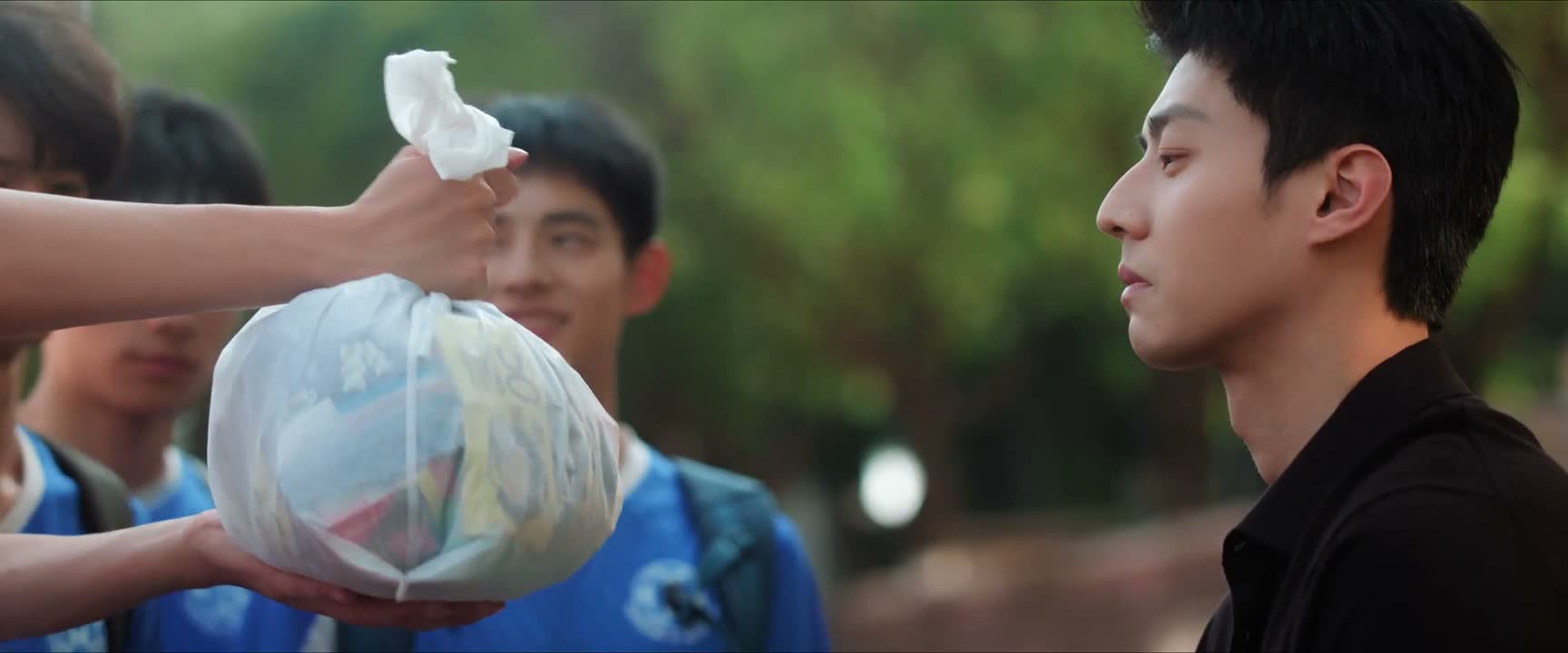
“Sorry. We were a bit loud yesterday. We apologize.”