对不起啊 我真是 不是是我 是我疏忽 你放开
“I'm sorry. I really... No, it's me. It was my negligence. Let go of me.”
THE DIALOGUE REEL
在病房呢 白椿陪着苓苓
“She's in the ward. Bai Chun is with Zhuling.”
对不起啊 我 真是 不是 是我 是我疏忽 你 放开
“I'm sorry. I really... No, it's me. It was my negligence. Let go of me.”
我现在不想跟你说话
“I don't want to talk to you right now.”
Direct spoken expression in this communicative setting.
Stammering and repeatedly taking the blame shows a desire to defuse tension and preserve face for the aggrieved party.
LEARNING CHUNKS & PARTICLES
it was my oversight / it was careless of me
A formal or sincere way to take direct personal responsibility for a mistake.
let go of me
A direct imperative used when someone is physically gripping or restraining you.
Softens the urgent apology to make it sound more heartfelt and earnest.
VOCABULARY & EXPRESSIONS
Parallel Spoken Cinema Scenes (语义近邻切片)
“I'm sorry. I didn't mean it.”
“I'm sorry. I'm sorry. Sorry.”
“I'm sorry. It's okay, Guo.”
“Sorry, hope I didn't cause you any trouble.”

“- You've stained my manuscript! - I'm sorry. I forgot my hands were covered in grease. Don't worry…”
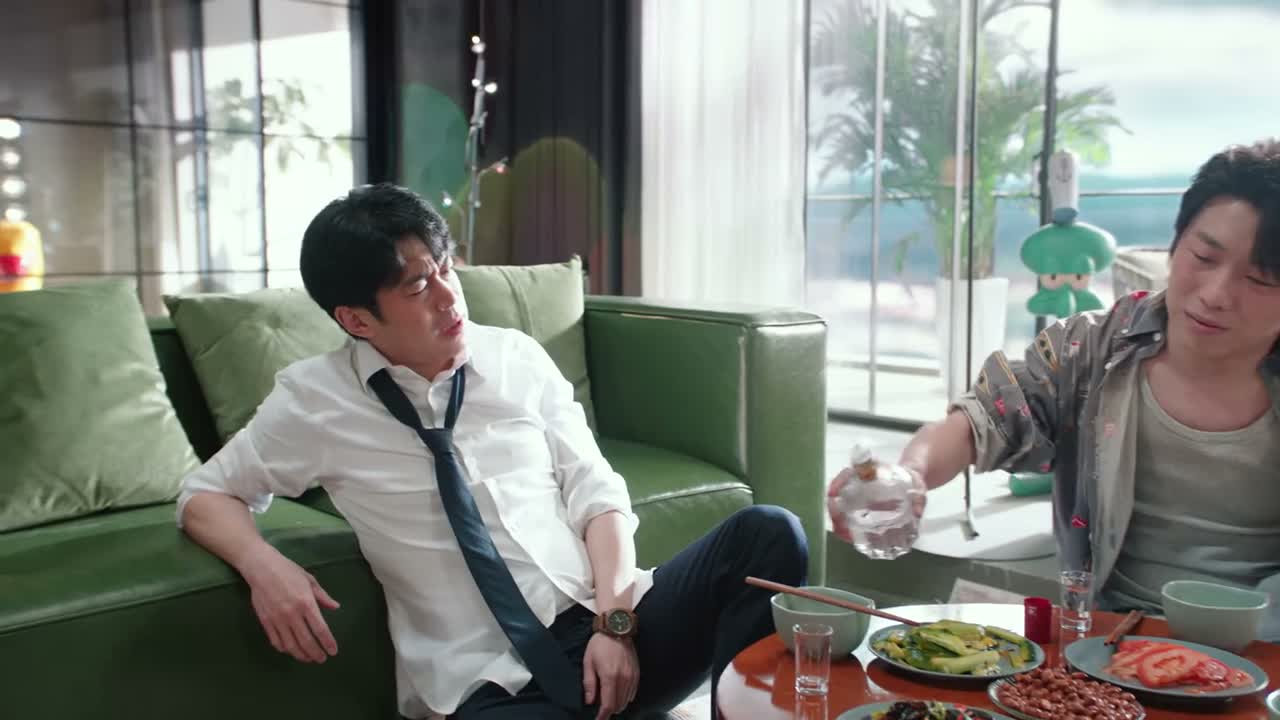
“Sorry, Sibo. It's my fault. It's all my fault.”

“I'm sorry for causing you trouble today. I'm fine.”
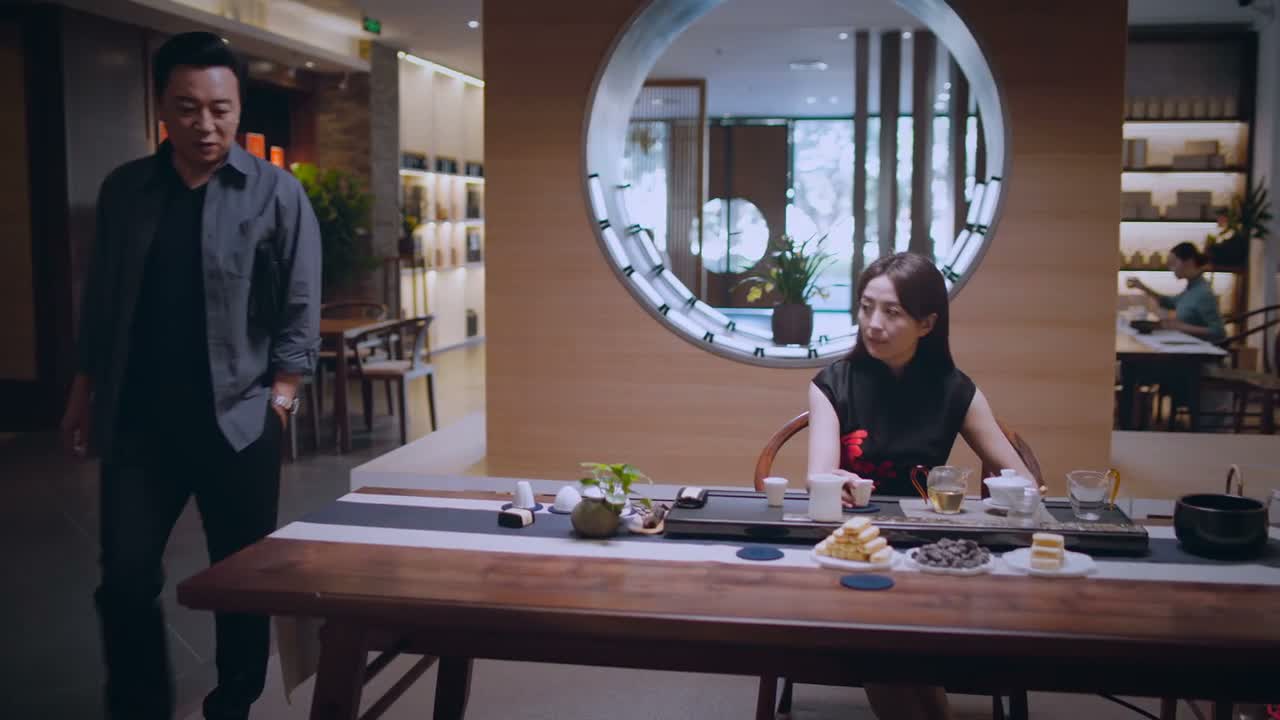
“I'm sorry. I'm late since I had something to do in the police station.”

“I'm sorry, Zhao. I didn't mean to pressure you.”

“I'm sorry. I spoke too harshly just now.”

“I'm so sorry. You didn't answer my calls.”
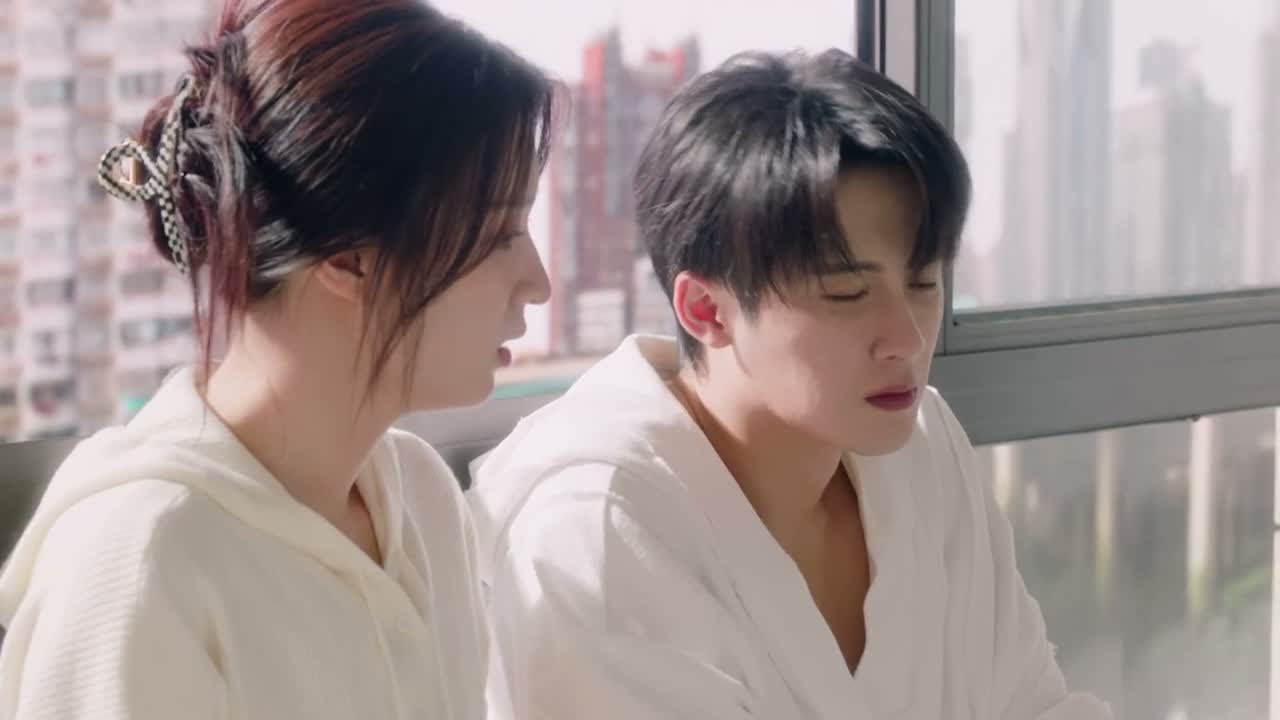
“Sorry for making a fool of myself.”

“I'm sorry, Ms. Fang. I... Let me tell you,”
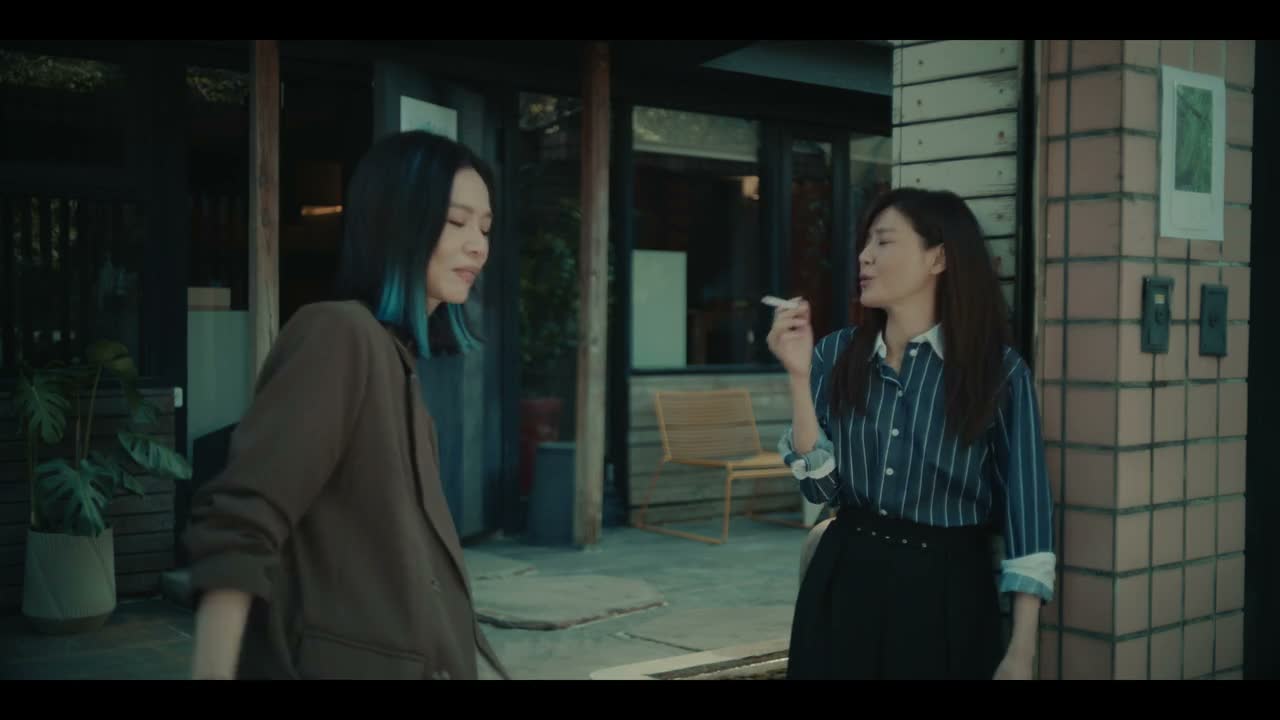
“Sorry, that was a total rejection.”

“Don't say sorry to me.”

“Sorry. I'm flying business class. We're not even at the same counter.”
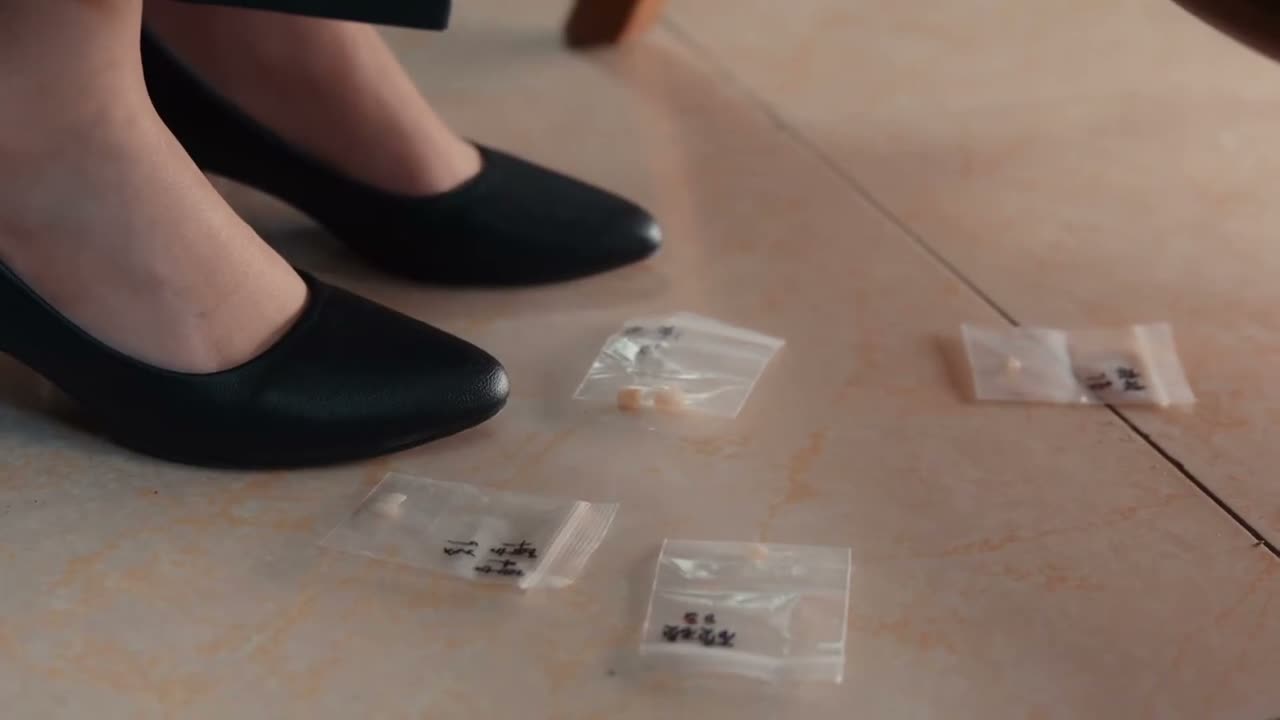
“Madam, I'm sorry. I didn't mean to.”
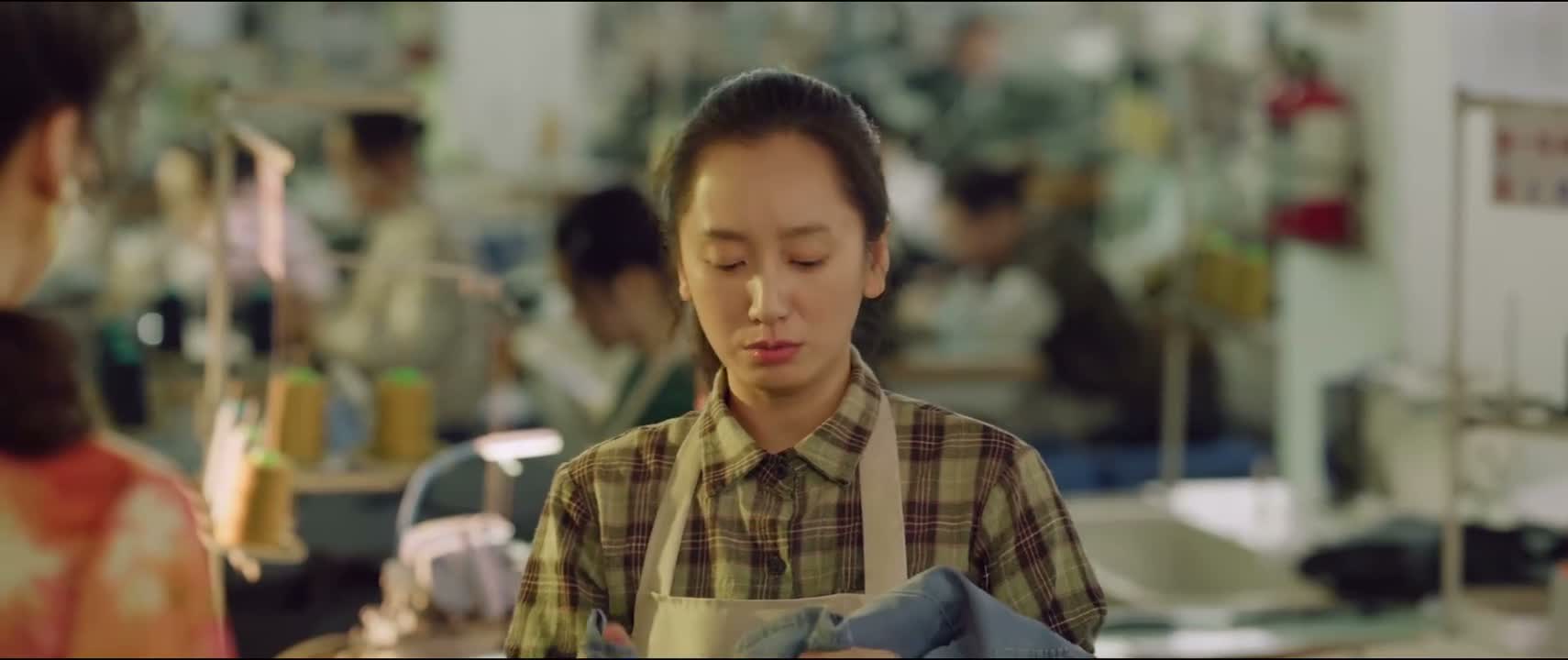
“I'm sorry. I'll re-sew it.”
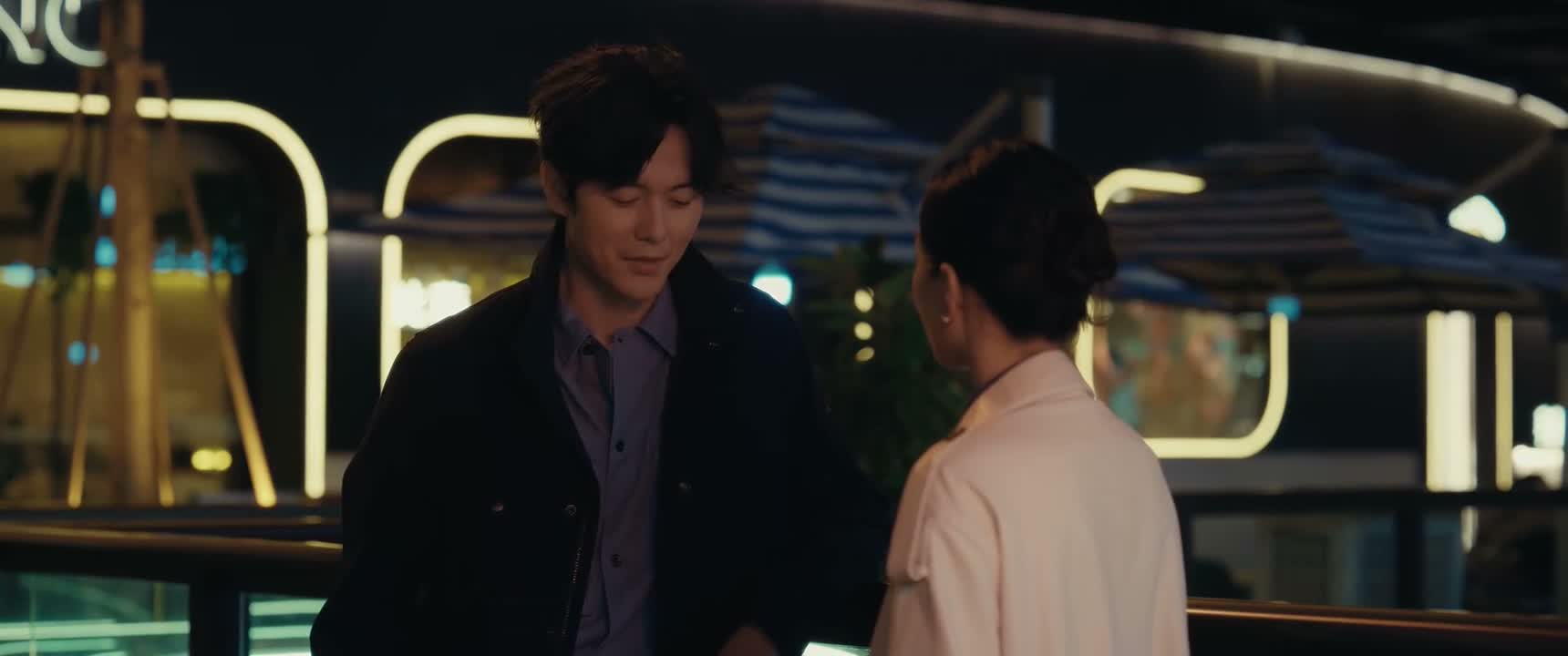
“Sorry. Don't worry. I won't tell anyone about this.”
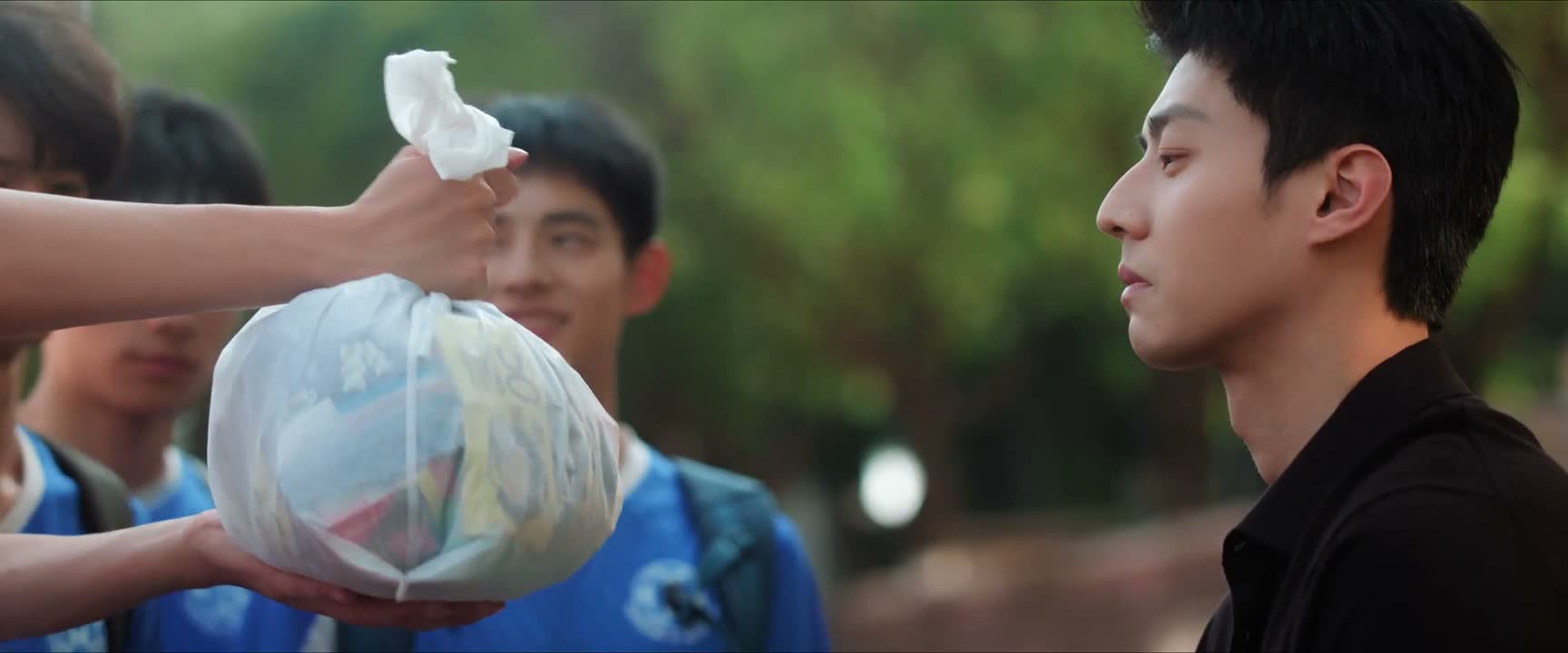
“Sorry. We were a bit loud yesterday. We apologize.”

“Sorry about that, Officer Qu. I caused you trouble.”