对不起嘛 我刚刚说话太冲了
“I'm sorry. I spoke too harshly just now.”
THE DIALOGUE REEL
“It's just one meal. Is it a big deal?”
对不起嘛 我 刚刚说 话 太 冲 了
“I'm sorry. I spoke too harshly just now.”
“I was wrong. I shouldn't have spoken to you like that.”
Direct spoken expression in this communicative setting.
Adding softening particles like this to an apology is an effective, affectionate tactic in intimate relationships to disarm an offended partner.
LEARNING CHUNKS & PARTICLES
speaking too aggressively or harshly
Commonly used in spoken Chinese to describe an abrasive, blunt, or irritable communication manner.
Imparts a playful, pleading, or coaxing tone to soften the apology and seek forgiveness.
Indicates the completion of the past offensive action and marks the change of attitude.
VOCABULARY & EXPRESSIONS
Parallel Spoken Cinema Scenes (语义近邻切片)

“I'm so sorry. I'm sorry.”

“I'm sorry. I shouldn't have hidden”

“Sorry, hope I didn't cause you any trouble.”

“I'm sorry for causing you trouble today. I'm fine.”

“Sorry for making a fool of myself.”
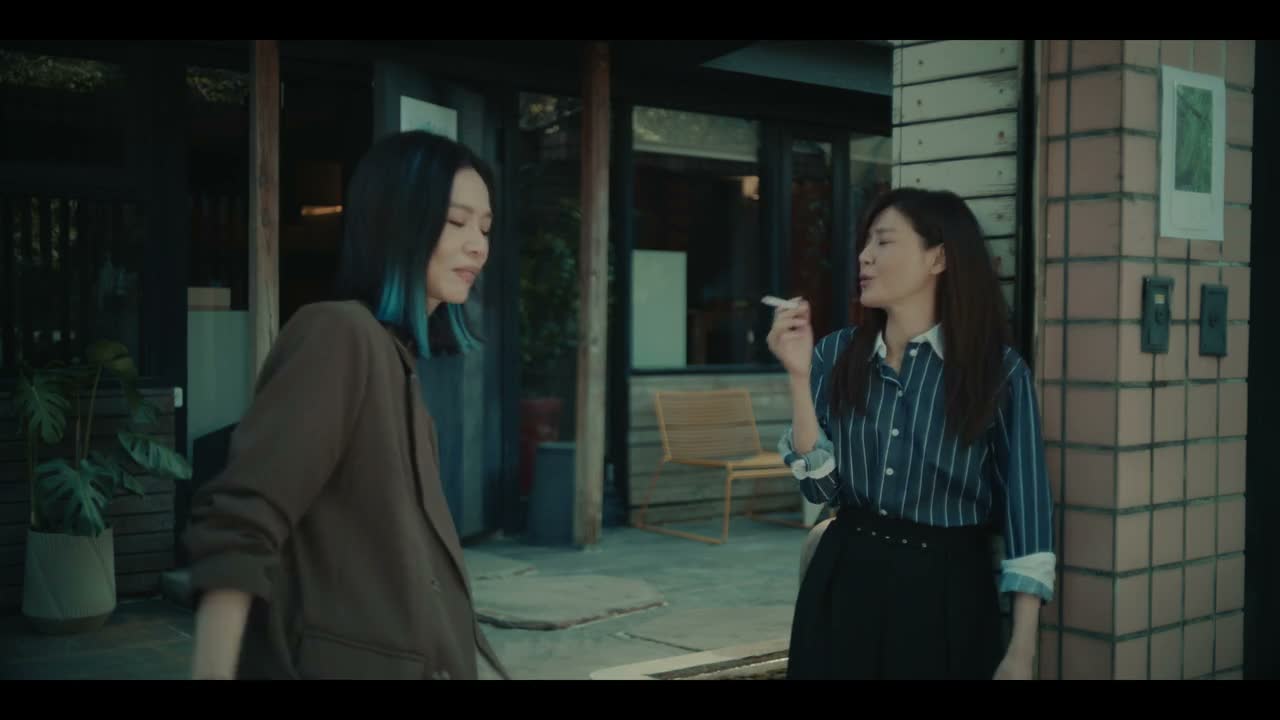
“Sorry, that was a total rejection.”

“I'm sorry. I really... No, it's me. It was my negligence. Let go of me.”

“Sorry. Don't worry. I won't tell anyone about this.”

“Sorry. Sorry. I didn't mean to.”
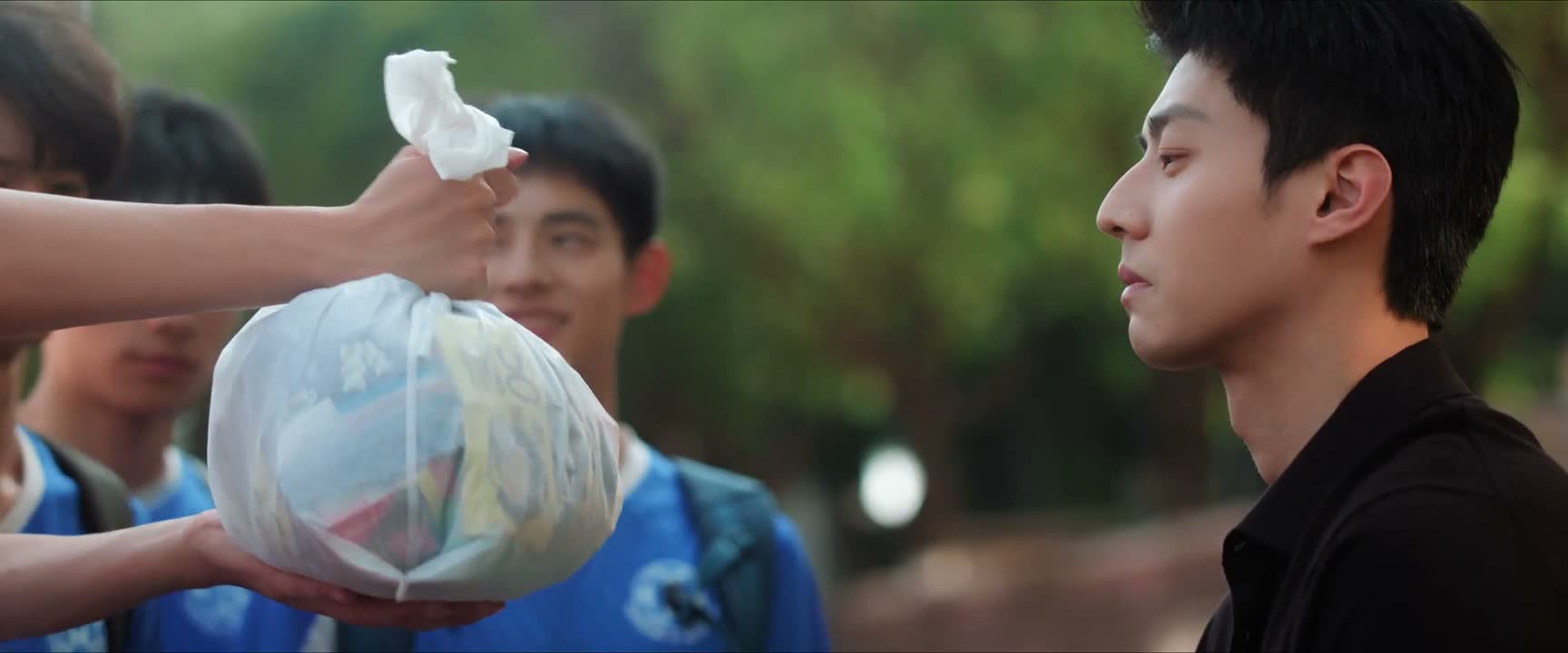
“Sorry. We were a bit loud yesterday. We apologize.”