MC
MandarinClips Cinema Corpus
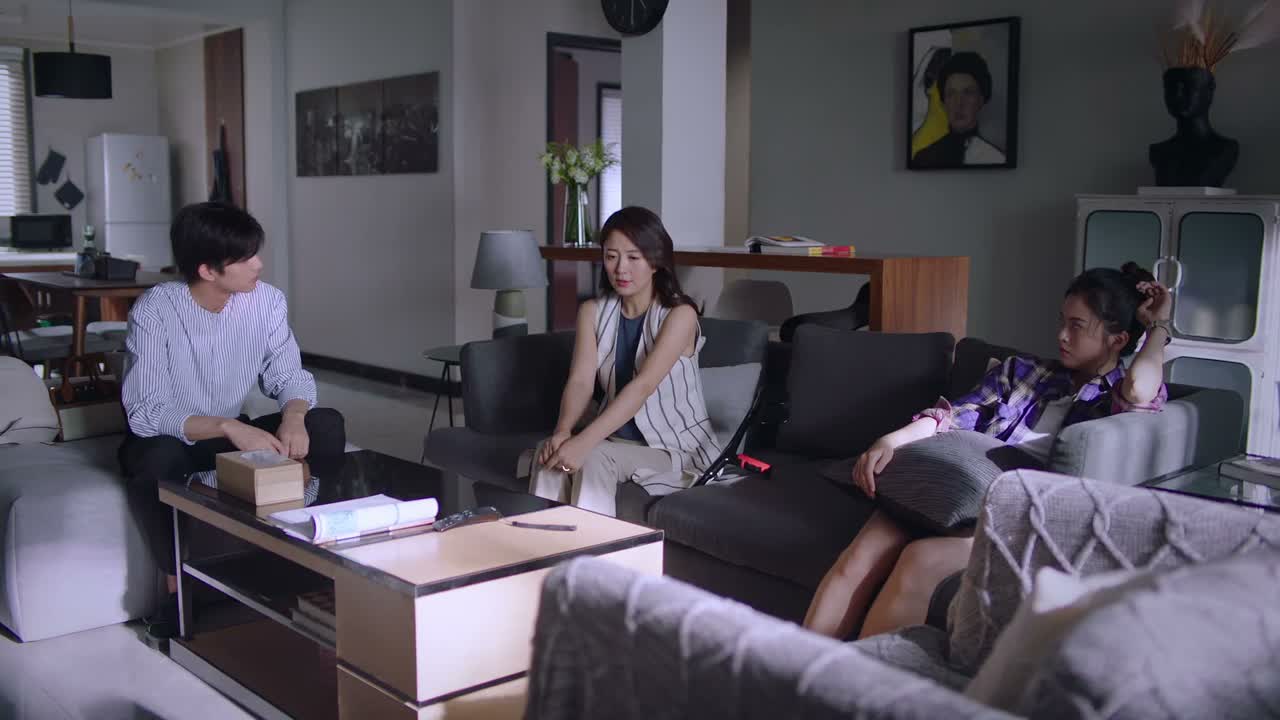
《Vanished Name》 S1·E25 (14:01) HSK 3
wǒ bú duì wǒ bù yīng gāi nà me gēn nǐ shuō huà de

我不对 我不应该那么跟你说话的

“I was wrong. I shouldn't have spoken to you like that.”

《Vanished Name》 S1·E25
TIMECODE: 14:01 · 1080P MASTER AUDIO

THE DIALOGUE REEL

1+1+1 SPOKEN CONTINUITY
[-1] PREVIOUS TURN duì bù qǐ ma wǒ gāng gāng shuō huà tài chòng le

“I'm sorry. I spoke too harshly just now.”

wǒ bú duì wǒ bù yīng gāi nà me gēn nǐ shuō huà de CURRENT FOCUS

我不对 我 不应该 那么 跟你说 话的

“I was wrong. I shouldn't have spoken to you like that.”

[+1] FOLLOW-UP TURN nǐ bié shēng wǒ qì le hǎo bù hǎo

你别生我气了好不好

“Don't be mad anymore, okay?”

Subtitles synced to millisecond timecode Browse Show Clips →
Scene: Social & Dating
Function: APOLOGIZING AND ADMITTING FAULT
Tone: APOLOGETIC AND SINCERE
Emotion: GUILT
WHAT THEY REALLY MEAN (PRAGMATIC SUBTEXT)

Direct spoken expression in this communicative setting.

💡 Cultural Insight: 主动认错 (Proactive Fault Admission)

In close Chinese relationships, explicitly lowering one's posture and saying 'I was wrong' is an essential repair strategy to soften emotional tension and preserve relational harmony.

INTENT TAGS: #apology #admitting_fault #reconciliation #appeasement
🧩

LEARNING CHUNKS & PARTICLES

2 CHUNKS · 1 PARTICLES
我不对 SPOKEN CHUNK

I was wrong / It is my fault

A direct and humble way to take responsibility in spoken Chinese during personal conflicts.

不应该那么跟你说话 SPOKEN CHUNK

should not have spoken to you that way

Use this pattern when apologizing specifically for a rude, sharp, or hurtful tone of voice.

Modal Particle「的」 (de) CHANGE OF STATE

Functions as part of the 'shì... de' structure to add an emphatic, reflective confirmation of one's past wrongdoing.
🏮

VOCABULARY & EXPRESSIONS

3 EXPR · 1 GRAMMAR
CROSS-CINEMA CORPUS BOARD · PARALLEL SCENES

Parallel Spoken Cinema Scenes (语义近邻切片)

EXPLORE BY SEMANTIC SIMILARITY
《Vanished Name》 S1·E25 (14:01) · Authentic Cinema Dialogue Corpus