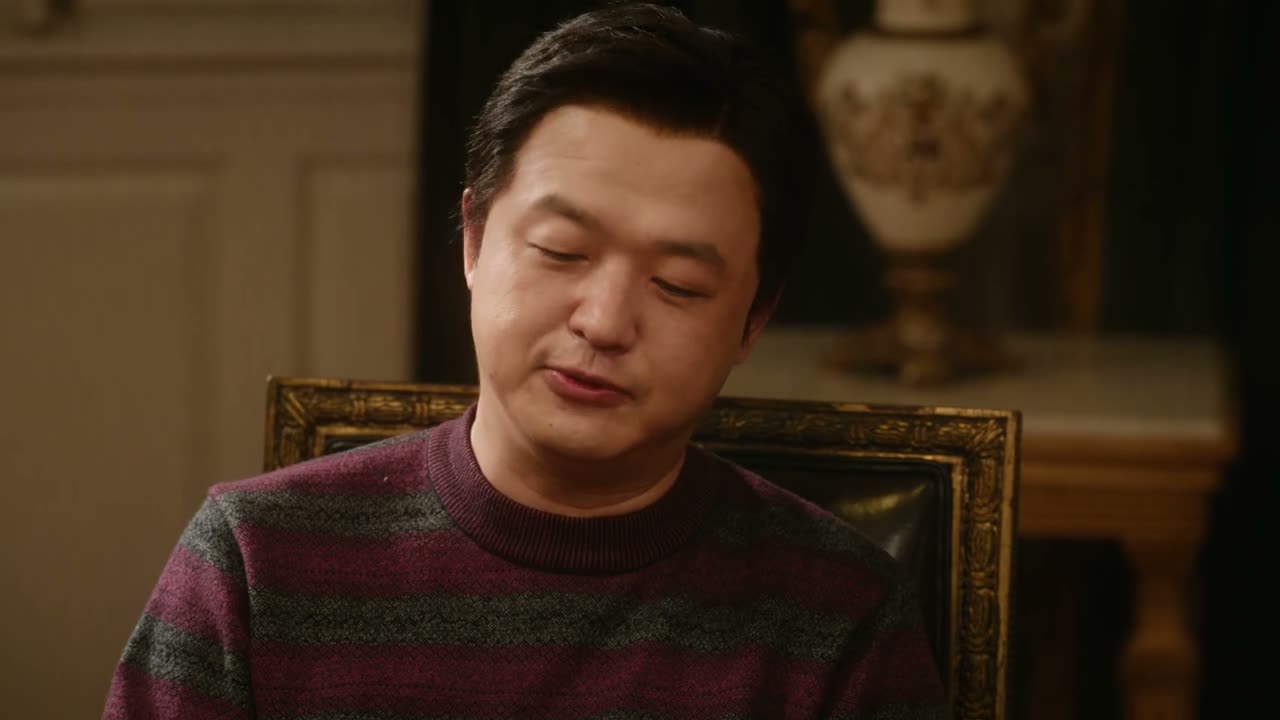
《Go Ahead》 S1·E35 (06:49)
HSK 1
shì shì wǒ bú duì
是 是我不对
“Yeah, it's my fault.”
《Go Ahead》
S1·E35
TIMECODE: 06:49
·
1080P MASTER AUDIO
THE DIALOGUE REEL
[-1] PREVIOUS TURN
fǎn zhèng wǒ xiàn zài shuō shén me nǐ men yě bù xìn
“Anyway you don't believe in whatever I tell you.”
shì shì wǒ bú duì
CURRENT FOCUS
是 是我不对
“Yeah, it's my fault.”
[+1] FOLLOW-UP TURN
shì wǒ cuò le
是我错了
“It's my fault.”
Subtitles synced to millisecond timecode
Browse Show Clips →
Scene:
Crisis & Conflict
Function:
PASSIVE AGGRESSIVE CONCESSION
Tone:
SARCASTIC
Emotion:
FRUSTRATION
WHAT THEY REALLY MEAN (PRAGMATIC SUBTEXT)
“Fine, blame everything on me if it makes you happy, since you won't listen anyway.”
💡 Cultural Insight: Perfunctory Admission to End Conflict (赌气认错)
Admitting wrongdoing out of spite (赌气) rather than remorse is a common emotional defense mechanism in close Chinese relationships when feeling misunderstood.
INTENT TAGS:
#feigned_apology
#defensiveness
#shutting_down_argument
#resignation
🧩
1 CHUNKS · 0 PARTICLES
LEARNING CHUNKS & PARTICLES
是我不对
SPOKEN CHUNK
It's my fault / I was wrong
Can be a sincere apology, but when repeated or delivered abruptly, it often signals bitter, defensive capitulation.
🏮
1 EXPR · 0 GRAMMAR
VOCABULARY & EXPRESSIONS
COLLOQUIAL EXPRESSIONS:
CROSS-CINEMA CORPUS BOARD · PARALLEL SCENES
EXPLORE BY SEMANTIC SIMILARITY
Parallel Spoken Cinema Scenes (语义近邻切片)


《Go Ahead》 S1·E35 (06:49) · Authentic Cinema Dialogue Corpus