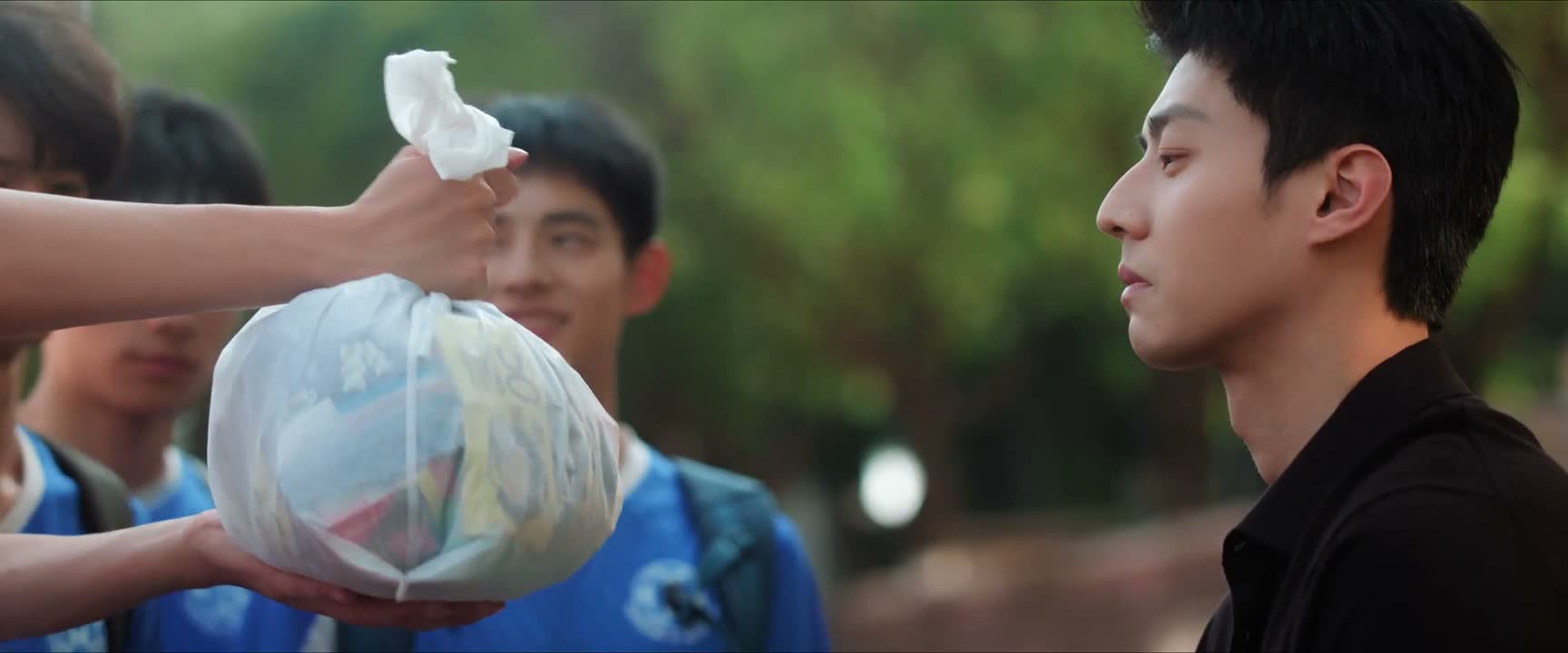
对不起啊 所里有事 来晚了
“I'm sorry. I'm late since I had something to do in the police station.”
THE DIALOGUE REEL
谢谢啊
“Thank you.”
对不起啊 所里 有事 来晚了
“I'm sorry. I'm late since I had something to do in the police station.”
没事
“It doesn't matter.”
Direct spoken expression in this communicative setting.
Referring to official work duties at one's unit ('所里') serves as an universally acceptable and socially blameless justification for personal delays.
LEARNING CHUNKS & PARTICLES
I'm sorry / pardon me
A standard casual apology softened by the final particle '啊' to make it friendlier.
something came up / occupied with matters
A very common euphemistic explanation for being busy, delayed, or unavailable.
arrived late
A polite, standard phrase used upon tardy arrival at any gathering.
Softens the tone of the apology, signaling warmth and familiarity.
Denotes the completed status of arriving late.
VOCABULARY & EXPRESSIONS
Parallel Spoken Cinema Scenes (语义近邻切片)

“Sorry I'm late. Sorry, I didn't hear you.”

“Sorry, hope I didn't cause you any trouble.”

“Sorry, Bai Shao. Don't apologize.”

“Sorry, Sibo. It's my fault. It's all my fault.”

“I'm sorry, Zhao. I didn't mean to pressure you.”

“I'm so sorry. You didn't answer my calls.”
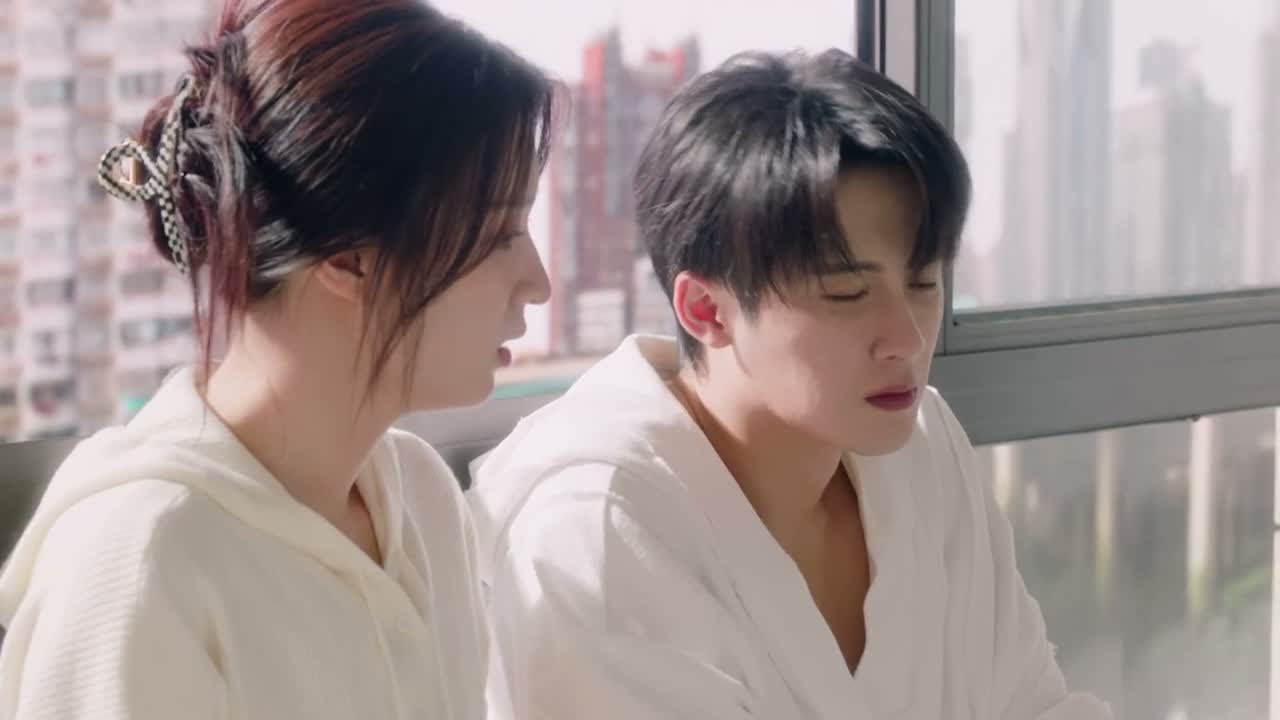
“Sorry for making a fool of myself.”

“I'm sorry, Ms. Fang. I... Let me tell you,”
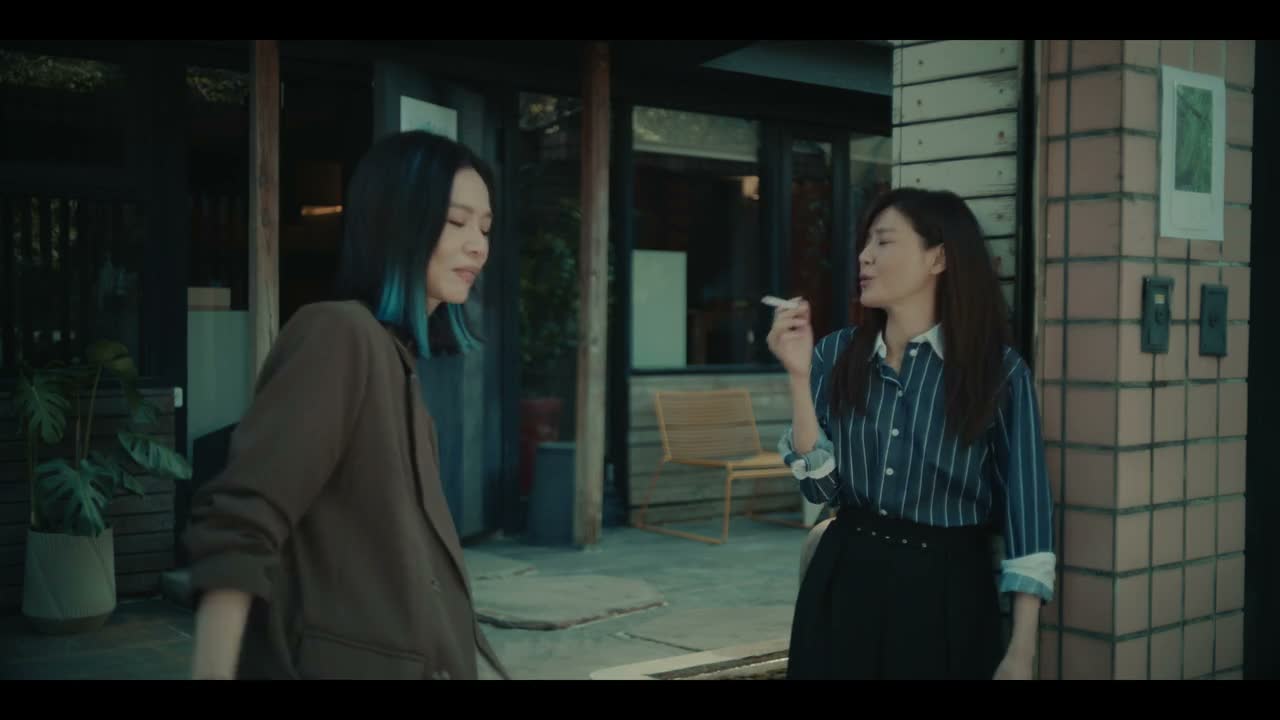
“Sorry, that was a total rejection.”

“I'm sorry. I really... No, it's me. It was my negligence. Let go of me.”
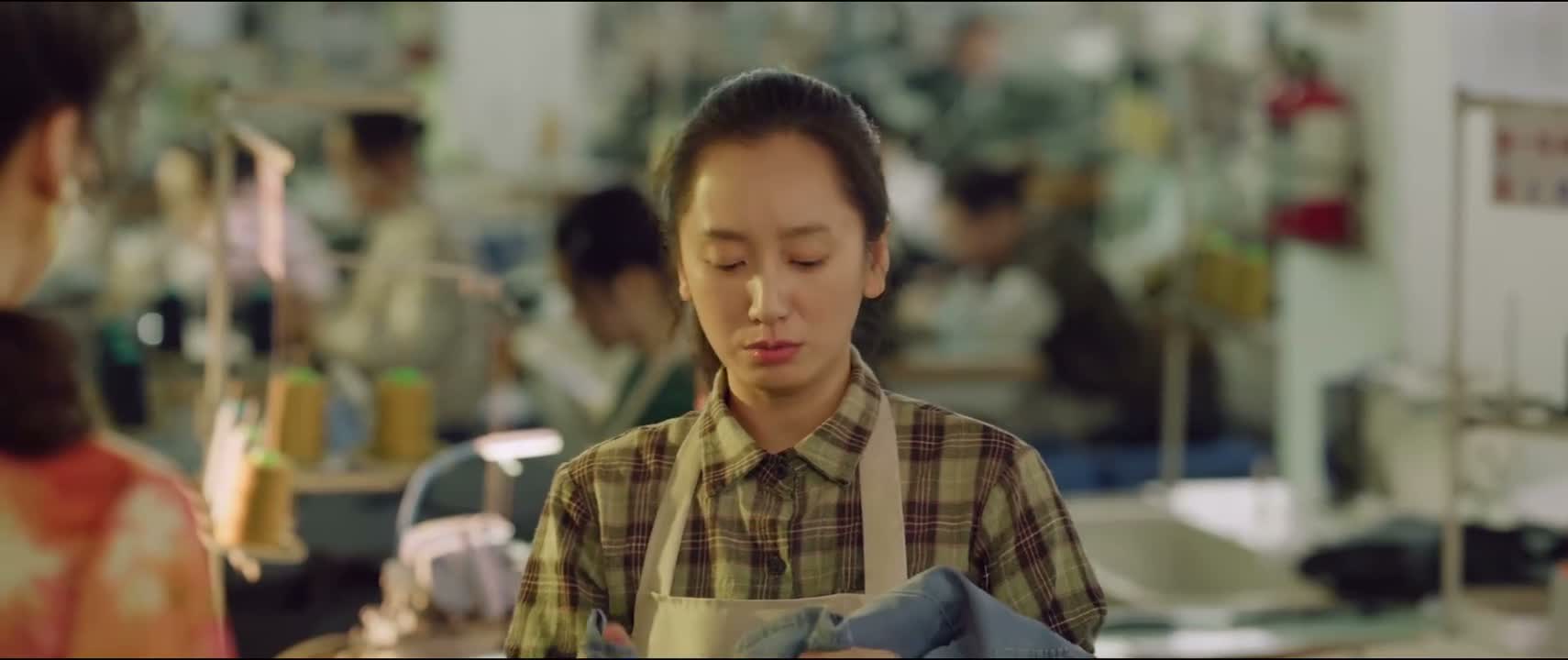
“I'm sorry. I'll re-sew it.”
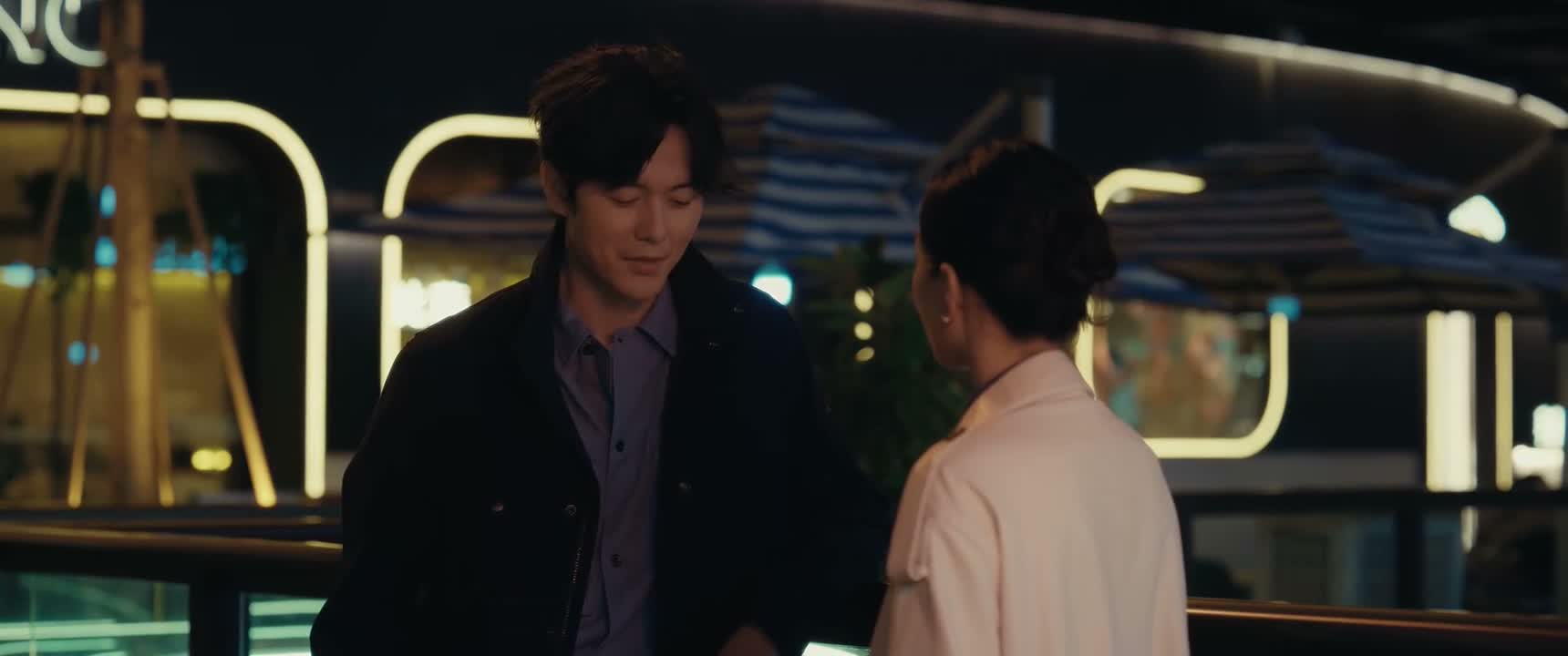
“Sorry. Don't worry. I won't tell anyone about this.”

“I'm sorry, Your Excellency, I didn't mean to say that.”
“Sorry. We were a bit loud yesterday. We apologize.”

“Sorry about that, Officer Qu. I caused you trouble.”