来晚了
lái wǎn leCommon spoken expression used by native Chinese speakers in daily life.
[Scene: 社交聚会]
(7 clips) 00:03
(我从小到大 都没谈过恋爱 还真挺向往的) ── Previous context
“Xingke. You were late. Were you busy getting me a gift?”
 00:03
(我给你介绍一下 这个是高夫人 刘夫人) ── Previous context
“This is Lady Gao, Lady Liu, Lady Wang, and Lady Zhao. Come on. Why are you late?”
 00:03
 00:02
([海潮面馆]) ── Previous context
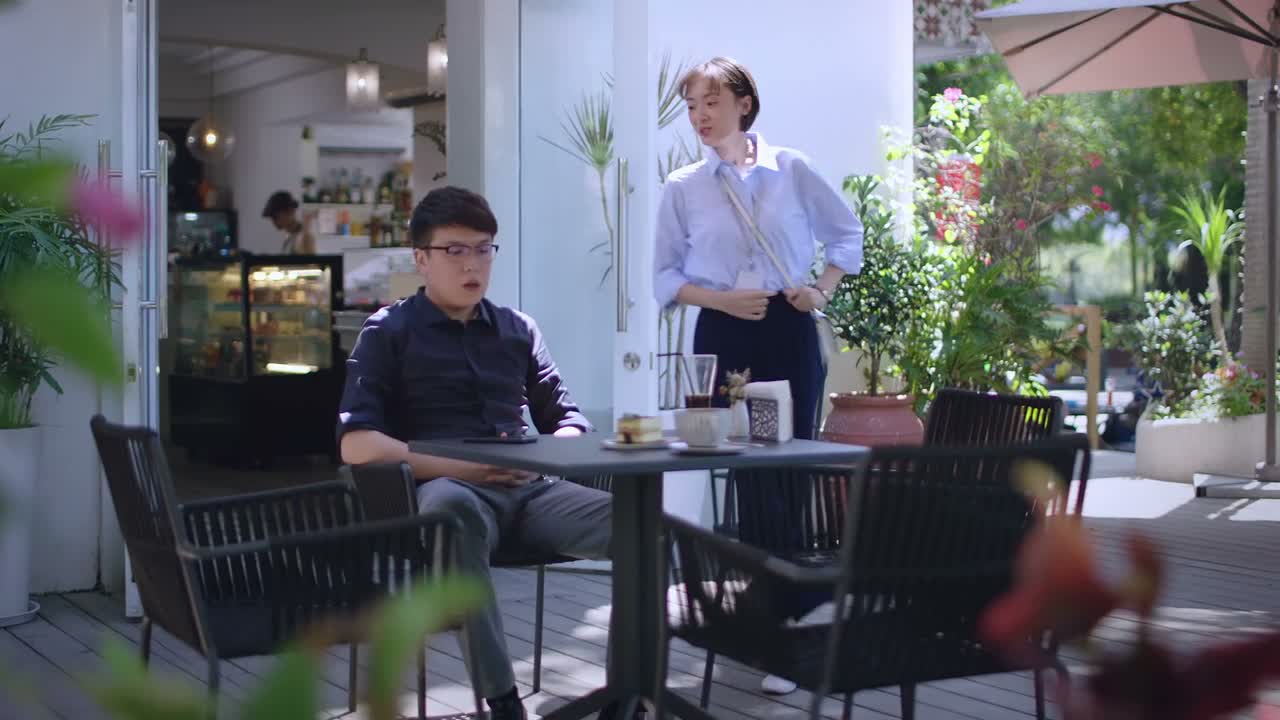
“Zhuang Bei, I'm sorry. I'm late because the meeting delayed me.”
 00:03
(你们不是一种人 真不知道你们怎么凑到一块去的) ── Previous context
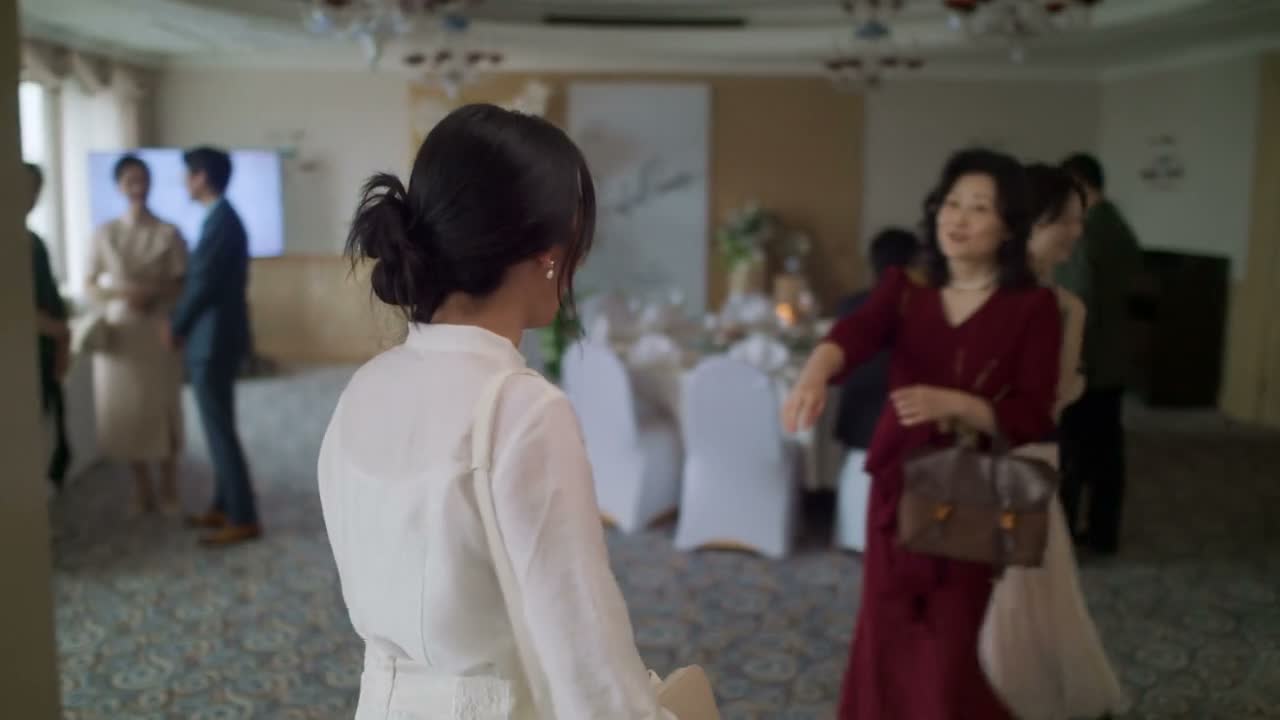
“Xiaodong. You're here. I just finished up. Sorry I'm late.”
 00:02
 00:03
[Scene: 其他场景]
(4 clips) 00:03
(放出来 不好弄的 王姐 张姐对不起了 对不起) ── Previous context
“Sorry for coming back late. Cheng Ken. Why is there a mental patient living in your house?”
 00:02
(谢谢啊) ── Previous context
“I'm sorry. I'm late since I had something to do in the police station.”
 00:03
 00:02
(不就为买这个吗) ── Previous context
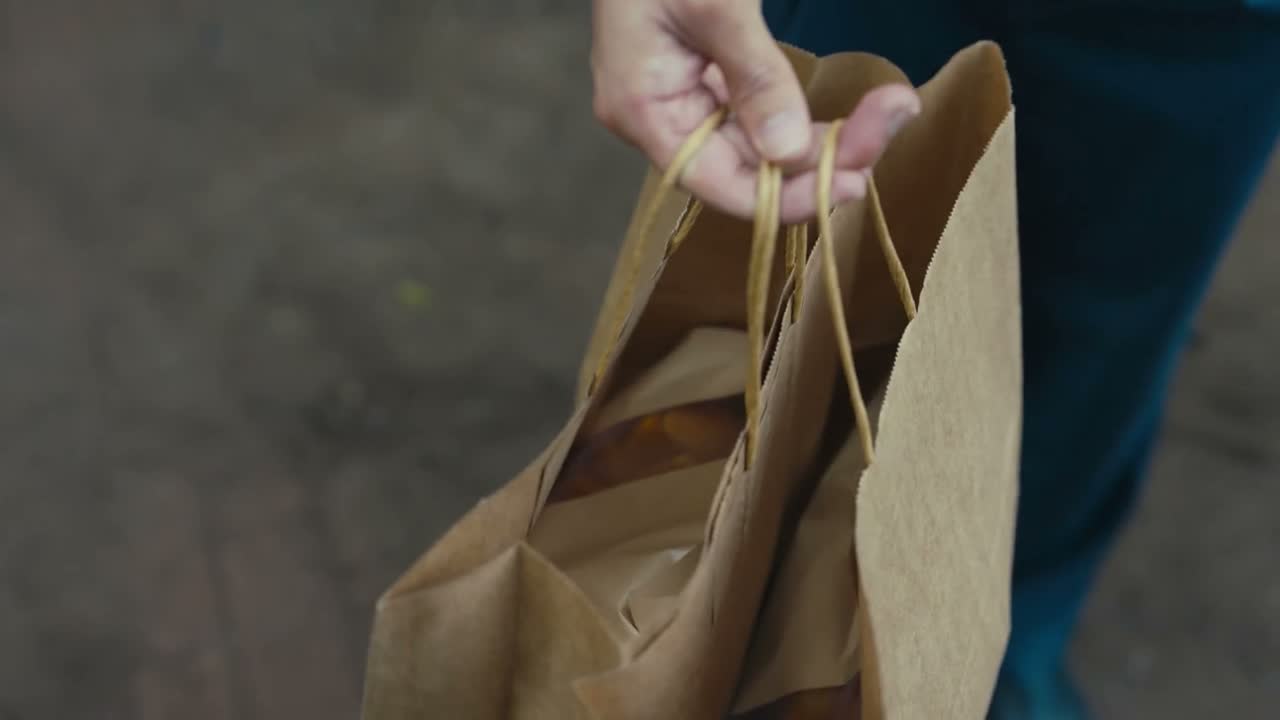
“Caozi cake. It sells out before my usual working hours end.”
[Scene: 职场工作]
(4 clips) 00:02
 00:02
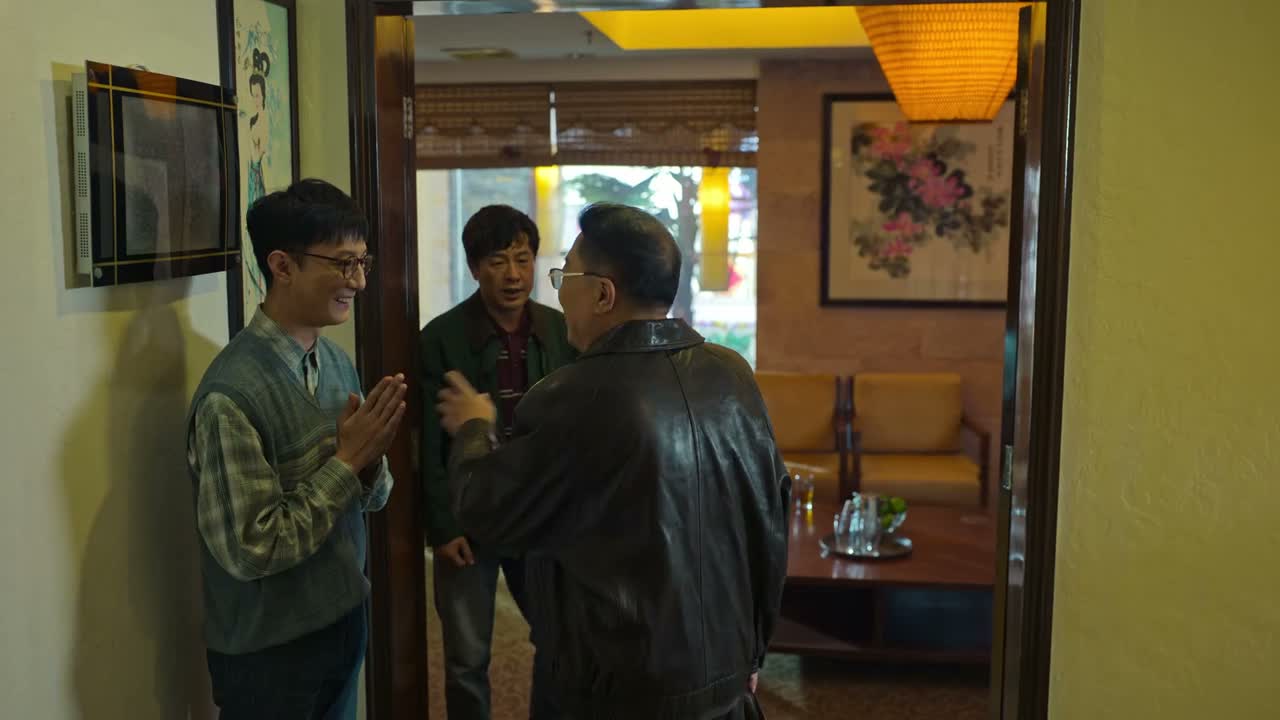 00:02
 00:02
[Scene: 家庭日常]
(3 clips) 00:02
 00:02
 00:03
(我这辈子 是享不了你什么福了) ── Previous context
“Why are you here so late? I was busy in my restaurant, so I'm late.”
[Scene: 其他场景]
(2 clips) 00:02
 00:02
[Scene: 餐饮美食]
(2 clips) 00:02
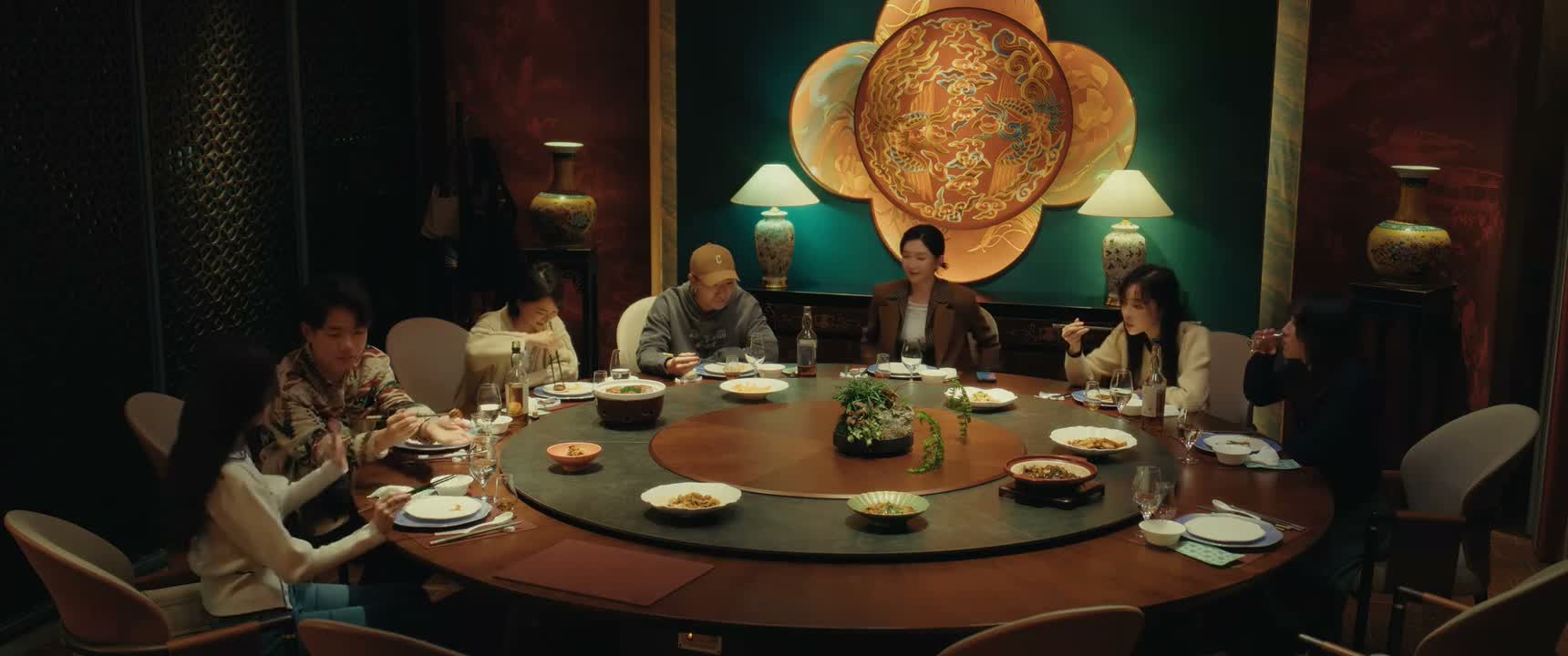 00:02
[Scene: 商务沟通]
(1 clips) 00:02
[Scene: 历史宫廷]
(1 clips) 00:03
[Scene: 警匪刑侦]
(1 clips)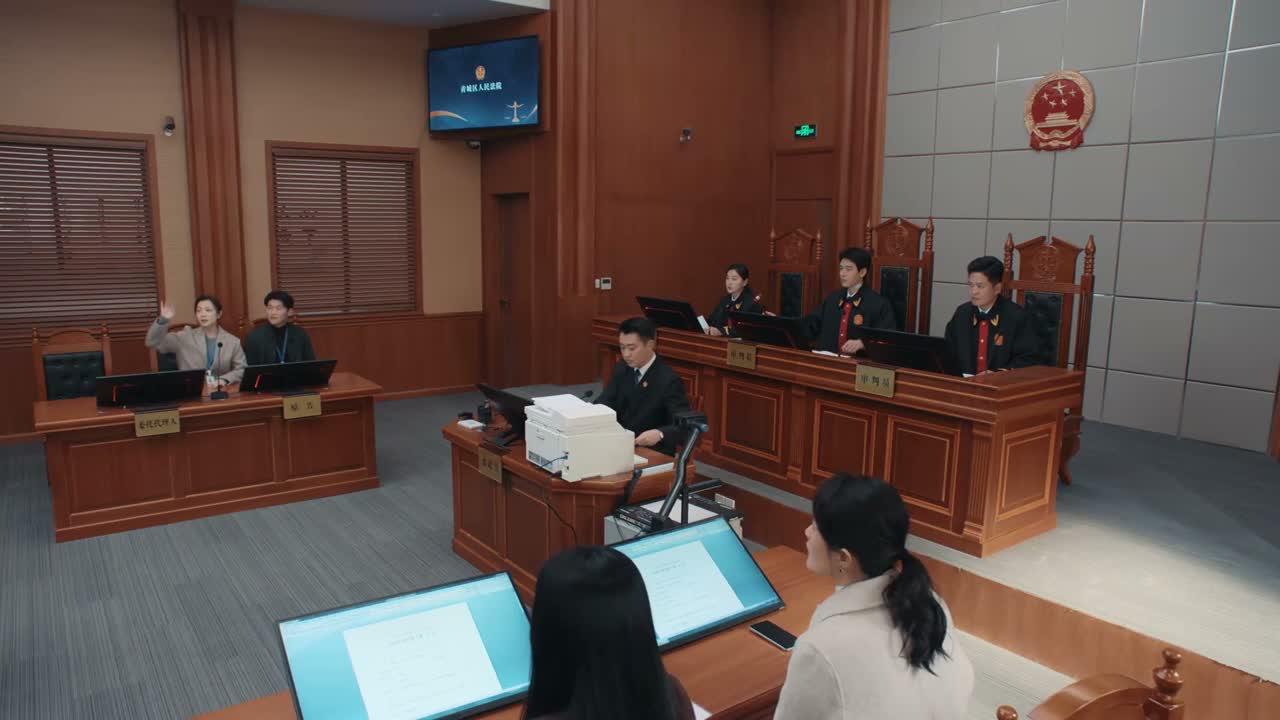 00:03
📌 没事
→Nuance: 共享核心口语谓词: [不好意思]
📌 走走走
→Nuance: 均为催促离开的常用口语表达
📌 放心
→Nuance: 共享核心口语谓词: [对不起]
📌 就是这个意思
→Nuance: 共享核心口语谓词: [不好意思]
📌 添麻烦
→Nuance: 共享核心口语谓词: [对不起]
📌 我告诉你
→Nuance: 共享核心口语谓词: [对不起]
📌 意外
→Nuance: 共享核心口语谓词: [对不起]
📌 有点晚
→Nuance: 解释迟到原因的委婉变体