回来晚了 小程 你们家怎么住了个精神病
“Sorry for coming back late. Cheng Ken. Why is there a mental patient living in your house?”
THE DIALOGUE REEL
放出来 不好弄的 王姐 张姐对不起了 对不起
“Letting her out. It's troublesome. Mrs. Wang, Mrs. Zhang, I'm sorry. Sorry.”
回来 晚了 小程 你们家 怎么住了个 精神病
“Sorry for coming back late. Cheng Ken. Why is there a mental patient living in your house?”
是我侄女 她刚搬过来不久 我得照顾她一段时间
“It's my niece. She just moved here. I have to take care of her for a while.”
“Your guest is disturbing everyone and making us unsafe—what is going on?”
In traditional Chinese apartment communities, neighbors frequently monitor each other's living situations and express direct concern or complaint regarding communal safety.
LEARNING CHUNKS & PARTICLES
mentally ill person; mental illness (often used colloquially/pejoratively)
Commonly used in informal speech to describe bizarre behavior or someone with psychiatric conditions, though it can sound very blunt or derogatory.
came back late
A frequent conversational opener used when noticing a neighbor or family member returning late.
Indicates a change of state or marks the completion of arriving back home.
VOCABULARY & EXPRESSIONS
Parallel Spoken Cinema Scenes (语义近邻切片)

“What brings you here so late at night?”
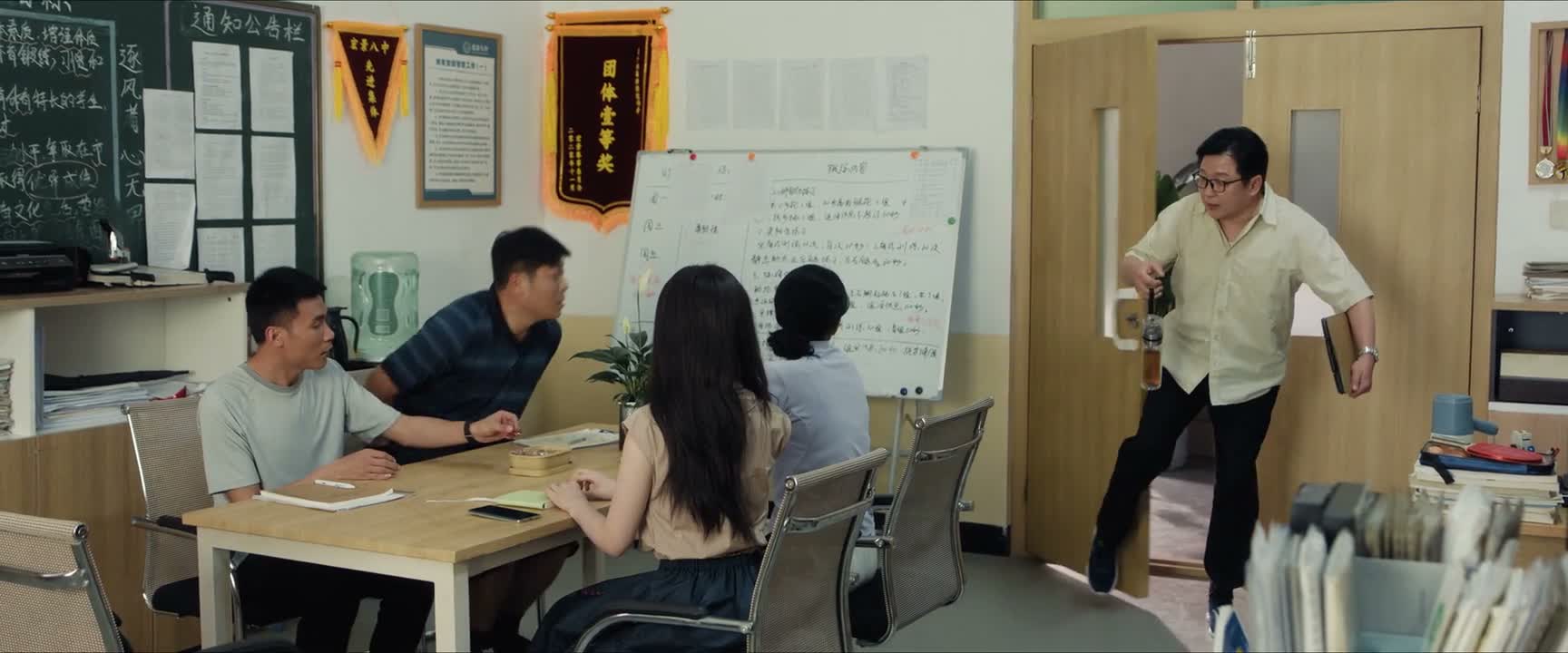
“I'm late. The principal called me over”
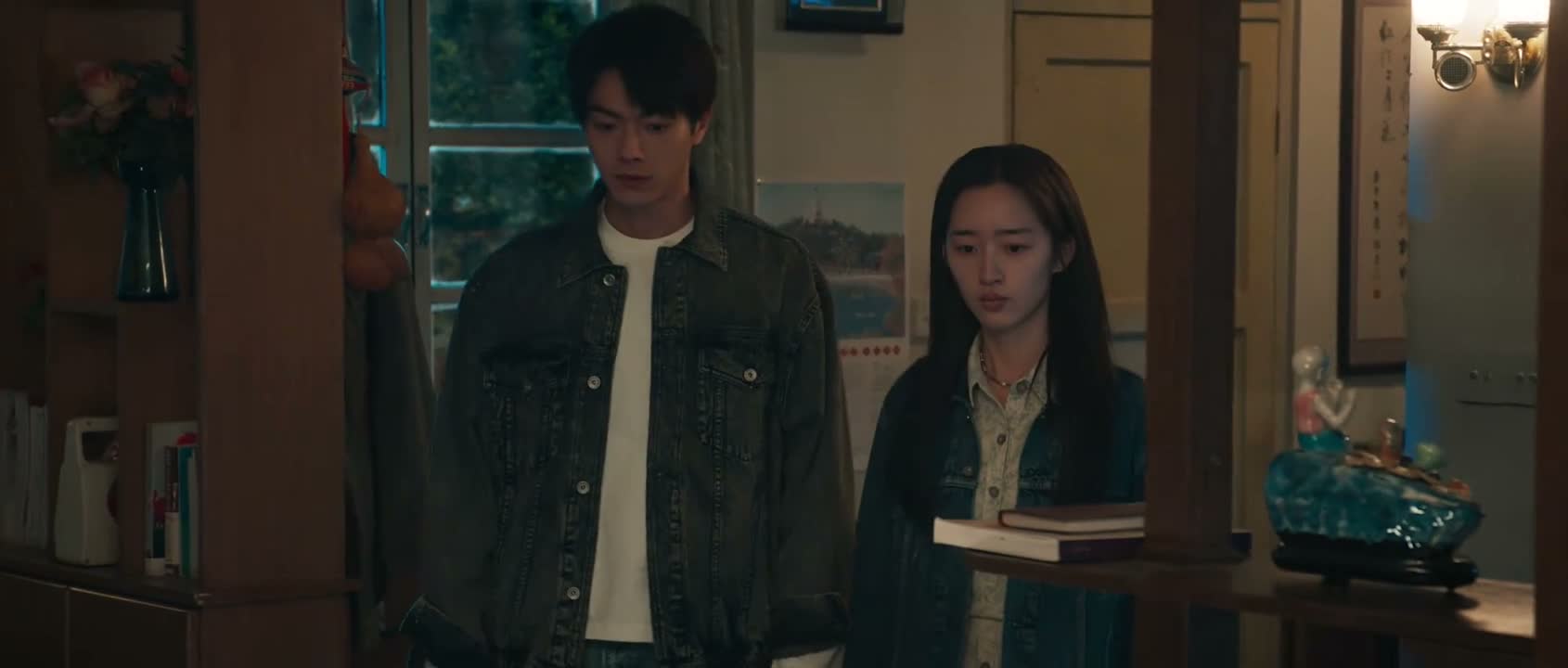
“It's so late. Where did you go?”

“[Chinese Pharmacy] [Western Pharmacy] [Emergency Ultrasound Room] [Injection Room] If you had come 10 minutes later, we might not have been able to save her.”

“Later, my supervisor told me, "Maybe Cheng just felt cold suddenly."”

“Getting back this late?”