这么晚了 还要回去啊
“Getting back this late?”
THE DIALOGUE REEL
备车
“Get the carriage.”
这么晚了 还要回去 啊
“Getting back this late?”
停车
“Halt!”
“It's so late—why don't you just stay instead of rushing back?”
In Chinese social interaction, pointing out the late hour is standard etiquette to show care and subtly urge a guest to stay or reconsider leaving.
LEARNING CHUNKS & PARTICLES
so late already
Used as a prelude to dissuade someone from departing, working, or taking unnecessary risks at night.
still insist on; still intend to
Often adds a tone of mild surprise, gentle discouragement, or questioning another's persistent intent.
Indicates a change of state, highlighting the lateness of the hour.
Softens the rhetorical question and conveys warmth or personal concern.
VOCABULARY & EXPRESSIONS
Parallel Spoken Cinema Scenes (语义近邻切片)

“Why are you back so late?”
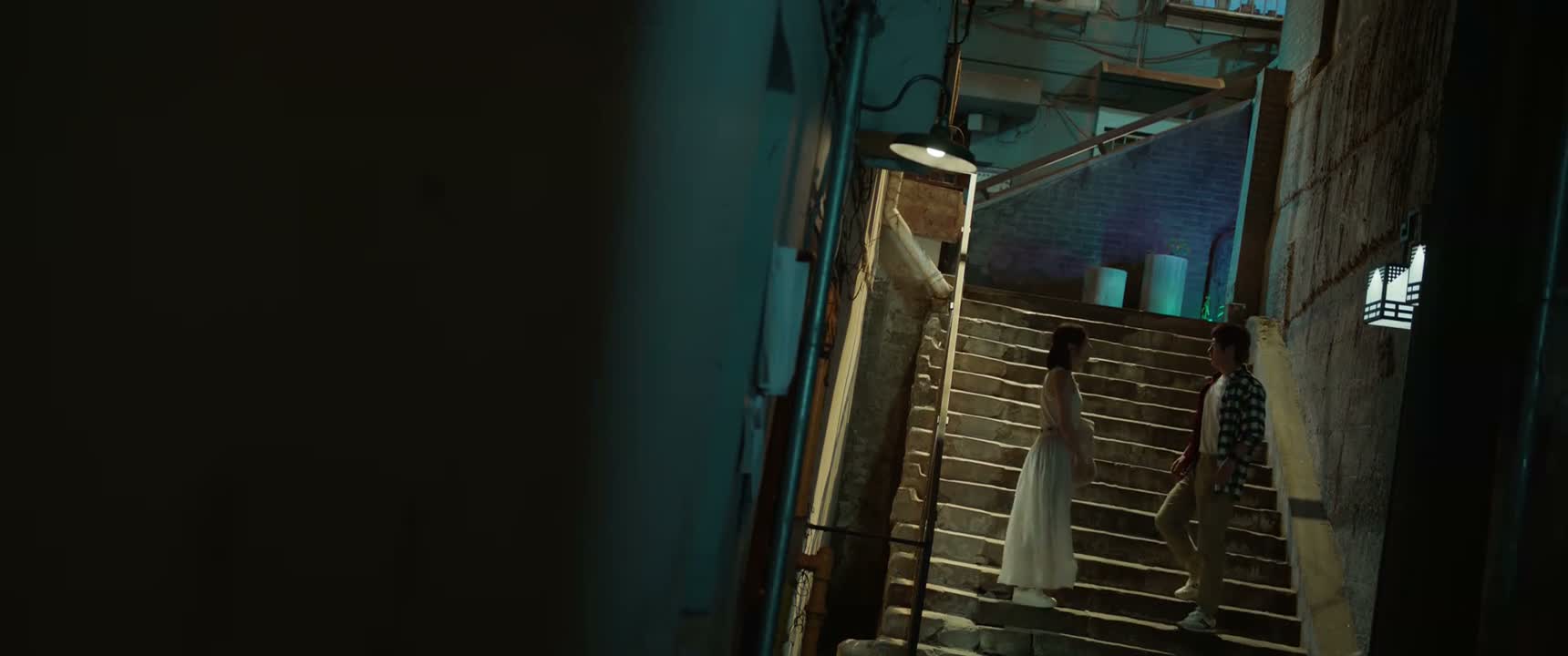
“Why are you back so late?”

“If you go back late,”

“I think you'd better go back early.”

“Why are you back so late? Where did you go?”

“It's pretty late. I'll drive you two back. No need. You guys head back first.”