这么晚了
zhè me wǎn leCommon spoken expression used by native Chinese speakers in daily life.
[Scene: 家庭日常]
(10 clips) 00:03
(你可要加油哦) ── Previous context
“You're back from work. Why are you still at it this late? Let me help.”
 00:03
 00:03
(万福 万福) ── Previous context
“It's so late. Where did Master go? What should we do?”
 00:03
(男人跟女人不一样) ── Previous context
“It's late. Just the two of you girls out here by yourselves. Do you know how dangerous that is?”
 00:02
 00:02
 00:02
 00:02
 00:02
 00:02
[Scene: 其他场景]
(9 clips) 00:02
 00:03
(咱这不回去怕不合适啊) ── Previous context
“What's bad about it? It's so late. Where can she go?”
 00:02
 00:02
 00:03
(回府了) ── Previous context
“It was already very late. As for offering incense, any day will do.”
 00:03
 00:02
 00:02
 00:02
[Scene: 社交聚会]
(5 clips) 00:03
(谢谢啊 行 小吕你去批发啦 这不都是公司福利嘛) ── Previous context
“It's pretty late. I'll drive you two back. No need. You guys head back first.”
 00:02
(对 我和秦律师在一起呢) ── Previous context
“It's late. The kid can't hold out much longer, right?”
 00:03
(对 我和秦律师在一起呢) ── Previous context
“It's late. The kid can't hold out much longer, right? Is she getting cranky?”
 00:02
(♫涌起♫ ♫夜空它多像我♫ 灿灿到哪儿了) ── Previous context
“It's so late and she still hasn't shown up yet? Stuck in traffic.”
 00:02
[Scene: 历史宫廷]
(3 clips) 00:03
(见过城主 你要没什么事的话 就先下去吧) ── Previous context
“It's already late at night. Why are you still up, Governor?”
 00:03
 00:02
[Scene: 其他场景]
(2 clips)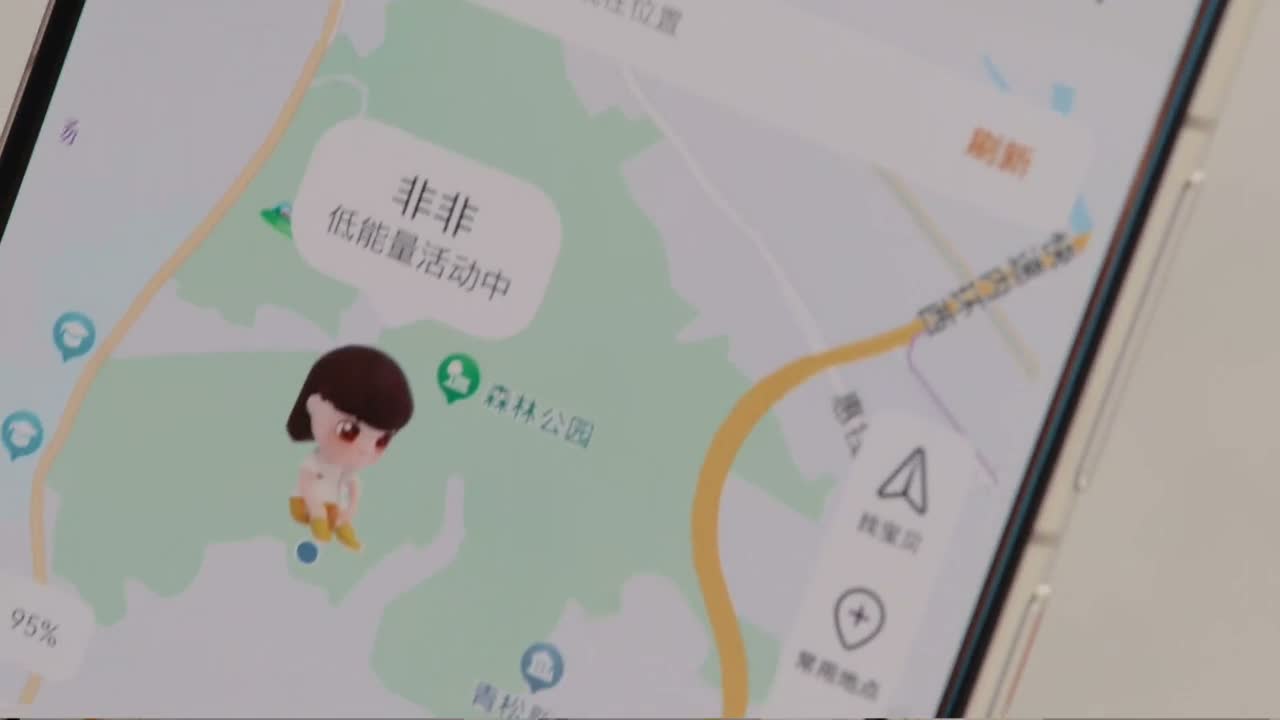 00:02
(可以把她接走) ── Previous context
“(Fei low activity mode) Why is Fei still at Forest Park so late?”
 00:02
[Scene: 警匪刑侦]
(1 clips) 00:02
[Scene: 出行交通]
(1 clips) 00:02
[Scene: 职场工作]
(1 clips) 00:02
📌 行吧
→Nuance: 同向近义词根配对: [这样 ↔ 这么]
📌 怎么这么晚
→Nuance: 语序微调,意图语义完全一致
📌 去哪了
→Nuance: 核心交际意图完全一致可互换
📌 你去哪
→Nuance: 核心交际意图完全一致可互换
📌 怎么回事
→Nuance: 深夜询问来由但更客气委婉
📌 怎么回事
→Nuance: 核心均在质问/关心时间太晚
📌 怎么了
→Nuance: 同为深夜来访的客气关切询问
📌 是不是
→Nuance: 均表担忧孩子因太晚而疲惫
📌 谢谢你
→Nuance: 同向近义词根配对: [感谢 ↔ 谢谢]