这么晚了 谁呀 开门 开门
“Who is it so late at night? Open up.”
THE DIALOGUE REEL
香
“It's delicious.”
这么晚了 谁呀 开门 开门
“Who is it so late at night? Open up.”
谁呀
“Who is it?”
“Who on earth is knocking so late? Hurry up and open the door!”
In both traditional and modern Chinese daily life, late-night visits or knocking on the door usually signal an urgent matter or an emergency involving an acquaintance, often prompting wariness and bewilderment from the homeowner.
LEARNING CHUNKS & PARTICLES
it is so late
A common colloquial chunk used to express confusion, complaint, or concern about unexpected visitors, phone calls, or someone who has not yet returned home.
who is it
A high-frequency colloquial question used to ask for someone's identity through a closed door or when answering a phone call.
Used at the end of a question to add a tone of surprise, bewilderment, or inquiry.
VOCABULARY & EXPRESSIONS
Parallel Spoken Cinema Scenes (语义近邻切片)

“What brings you here so late at night?”
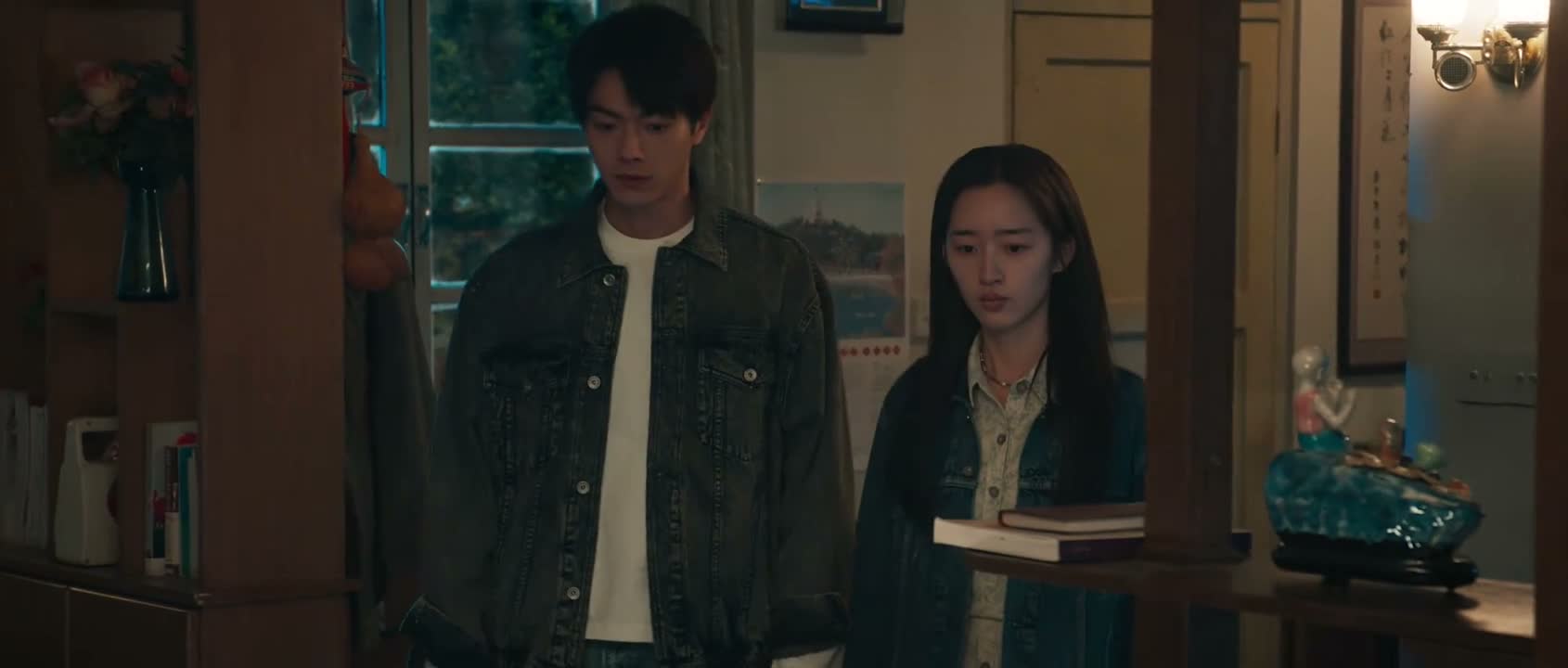
“It's so late. Where did you go?”

“It's late now. Have you eaten?”
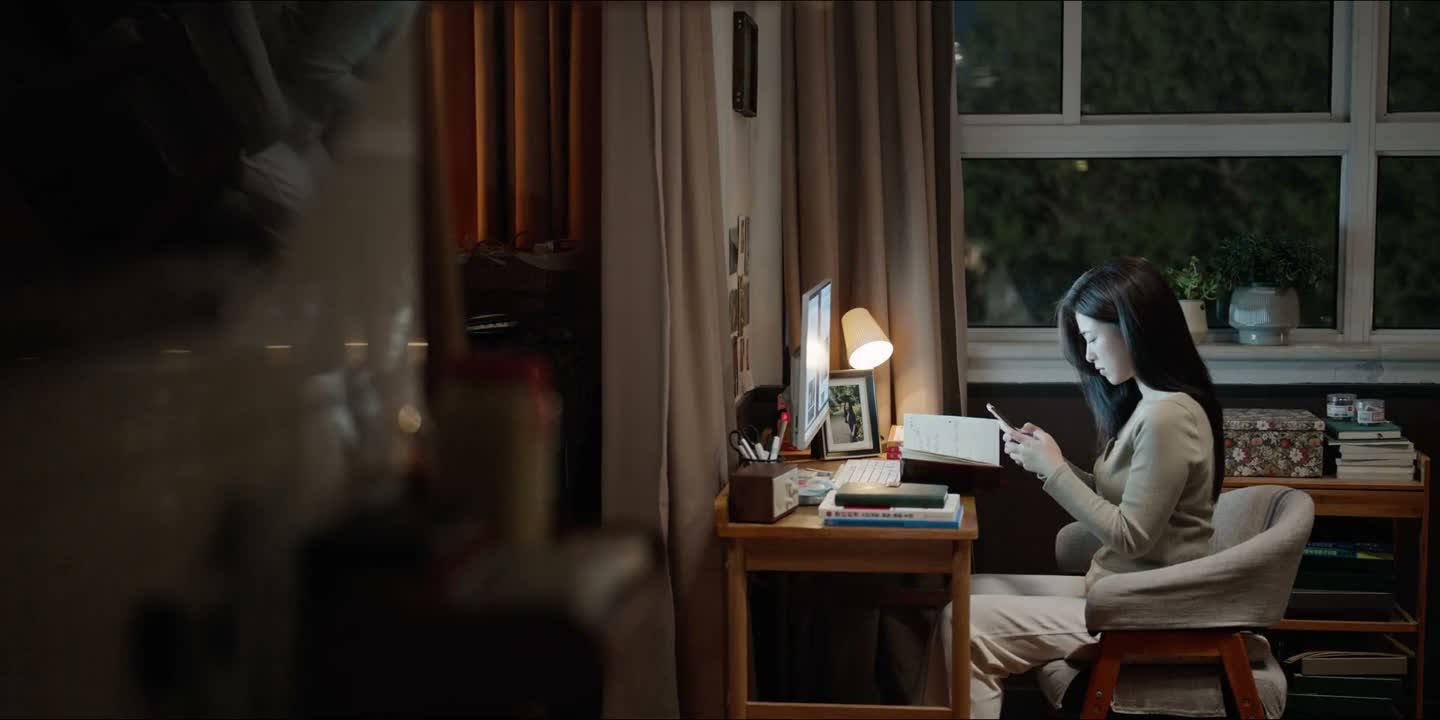
“[It's too late. Let's do it another day.] [Xu Miyu]”

“It's so late. Why are you here?”

“What are you doing with the door closed so late at night?”