这么晚了 吃饭了吗
“It's late now. Have you eaten?”
THE DIALOGUE REEL
记不清了
“Can't recall clearly.”
这么晚了 吃饭了吗
“It's late now. Have you eaten?”
我不饿
“I'm not hungry.”
Direct spoken expression in this communicative setting.
Asking 'Have you eaten?' is the quintessential Chinese expression of empathy and familial care, emphasizing physical sustenance over abstract emotional questions.
LEARNING CHUNKS & PARTICLES
it's so late
A very standard phrase used to set up concern about someone working late, returning home late, or skipping meals.
Have you eaten?
Both a standard greeting and a literal inquiry of welfare used among friends and family.
Marks the completion of an action or transition into a state, used here to check if the action has already occurred.
Turns the declarative statement into a standard yes-no question.
VOCABULARY & EXPRESSIONS
Parallel Spoken Cinema Scenes (语义近邻切片)

“What brings you here so late at night?”
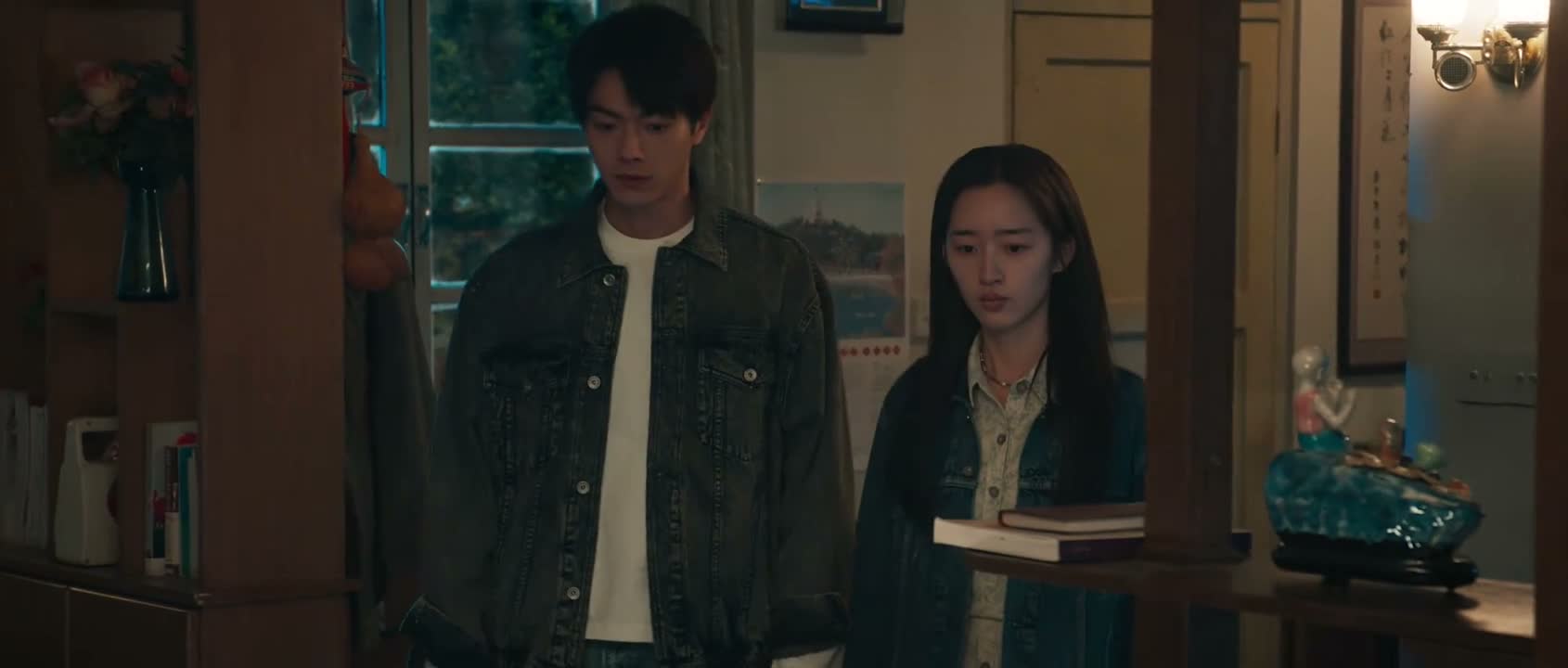
“It's so late. Where did you go?”
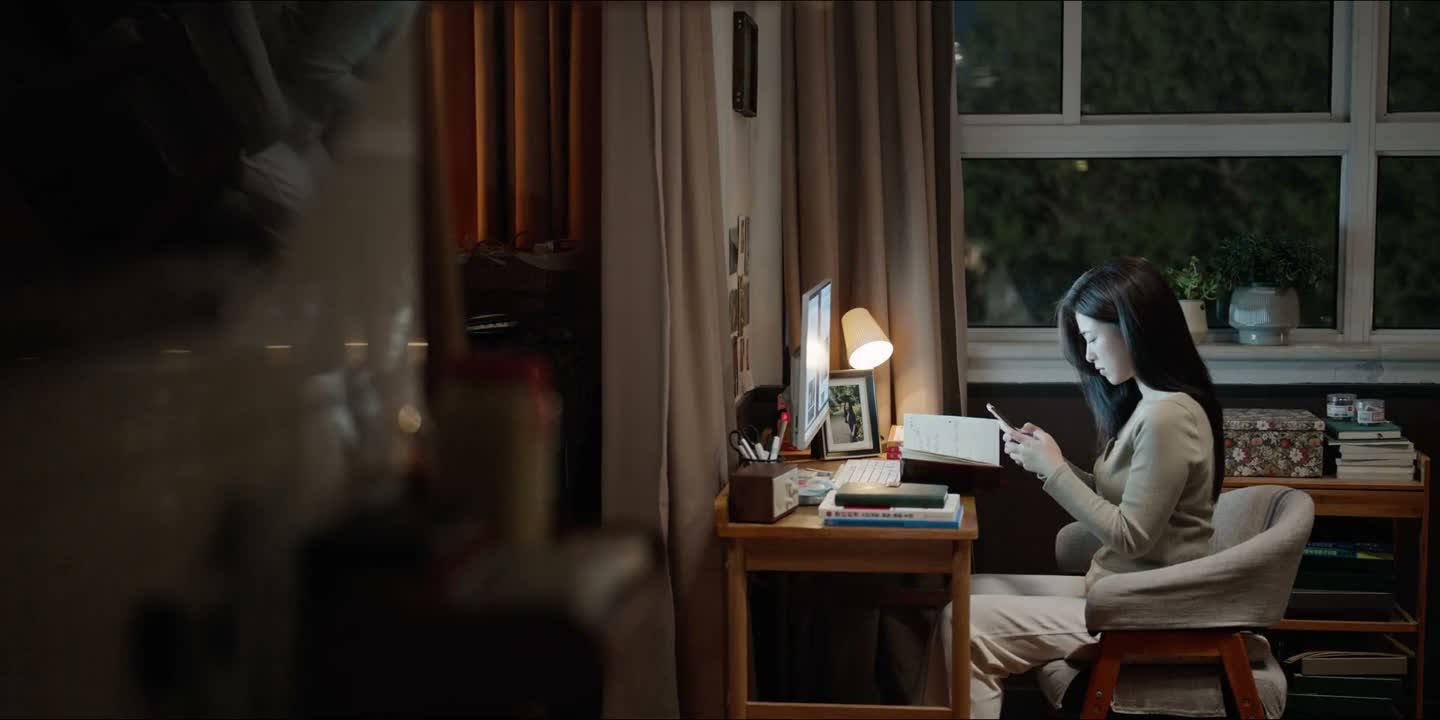
“[It's too late. Let's do it another day.] [Xu Miyu]”

“It's so late. Why are you here?”

“It's already late. I'm sorry for disturbing you.”

“Still up this late? Aren't you the same?”