这么晚了非非怎么还在森林公园
“(Fei low activity mode) Why is Fei still at Forest Park so late?”
THE DIALOGUE REEL
可以把她接走
“who can take her.”
这么晚了 非非 怎么还 在森林公园
“(Fei low activity mode) Why is Fei still at Forest Park so late?”
她爸怎么没接她呀
“Why hasn't her dad picked her up?”
“Something is wrong; she shouldn't be out alone in that remote place at this hour.”
Chinese domestic dynamics emphasize strong mutual monitoring and parental accountability for the safety of dependents at night.
LEARNING CHUNKS & PARTICLES
so late / at such a late hour
A frequent phrase used to preface concern, scolding, or questions about unusual timing.
why (is someone) still at...
Used to express perplexity or anxiety when an expected departure has not occurred.
Indicates a change of state, highlighting that the time has progressed to an abnormally late hour.
VOCABULARY & EXPRESSIONS
Parallel Spoken Cinema Scenes (语义近邻切片)
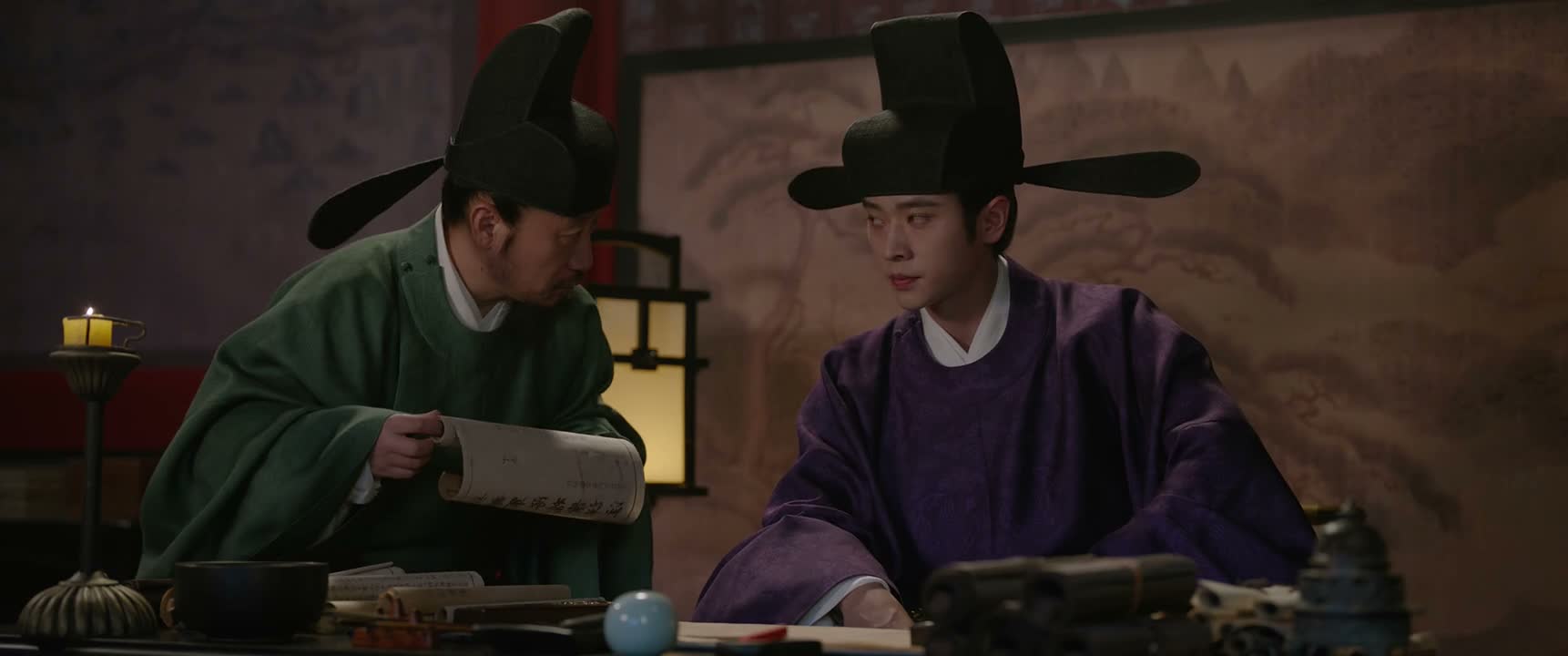
“Getting back this late?”

“It's so late. Why are you here?”
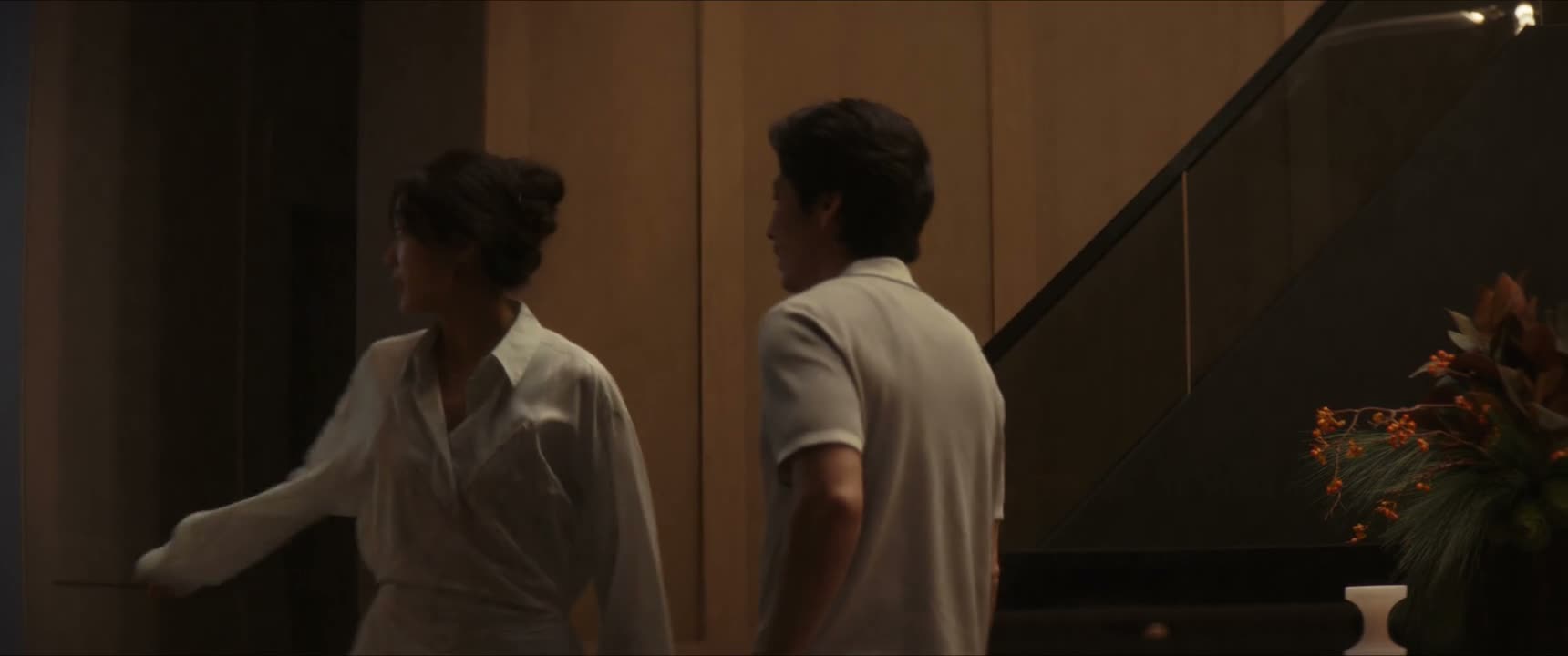
“But where would she go this late?”
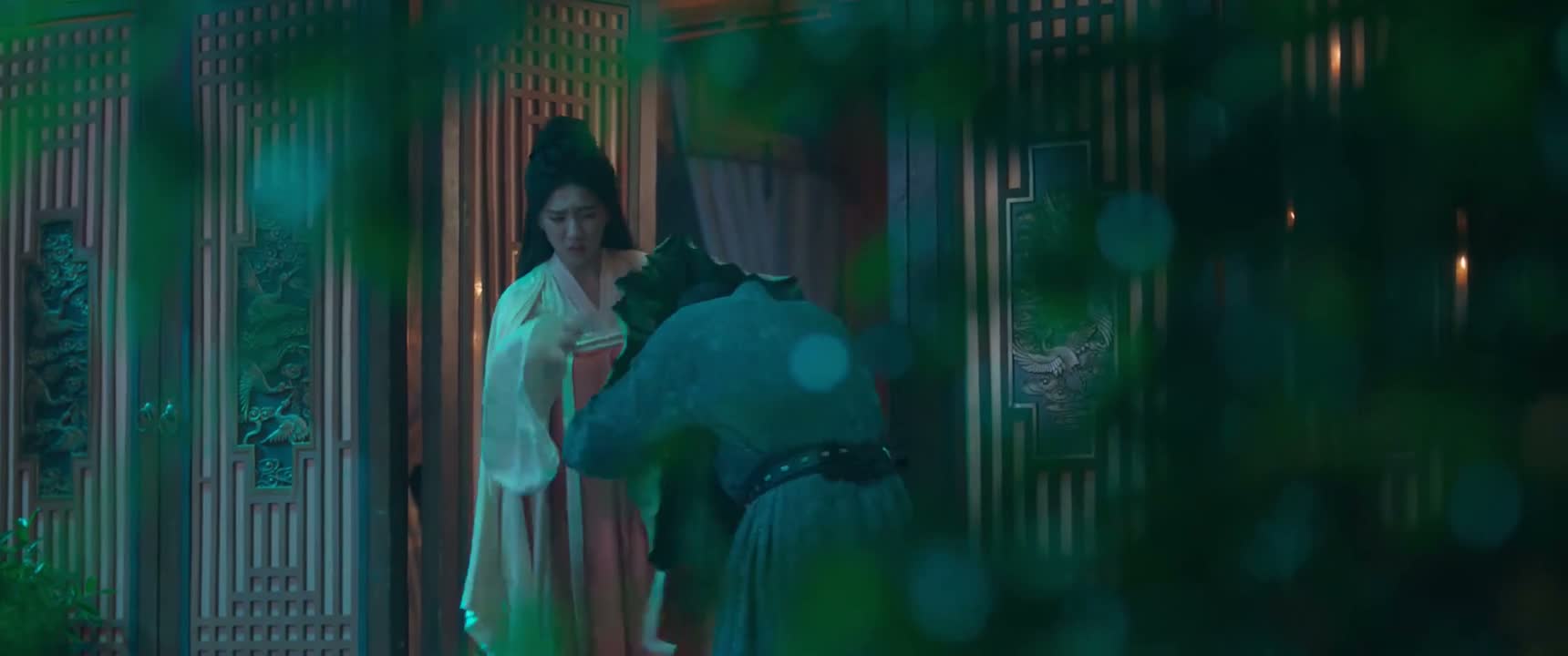
“It's so late. Where have you been?”

“It's already late. I'm sorry for disturbing you.”
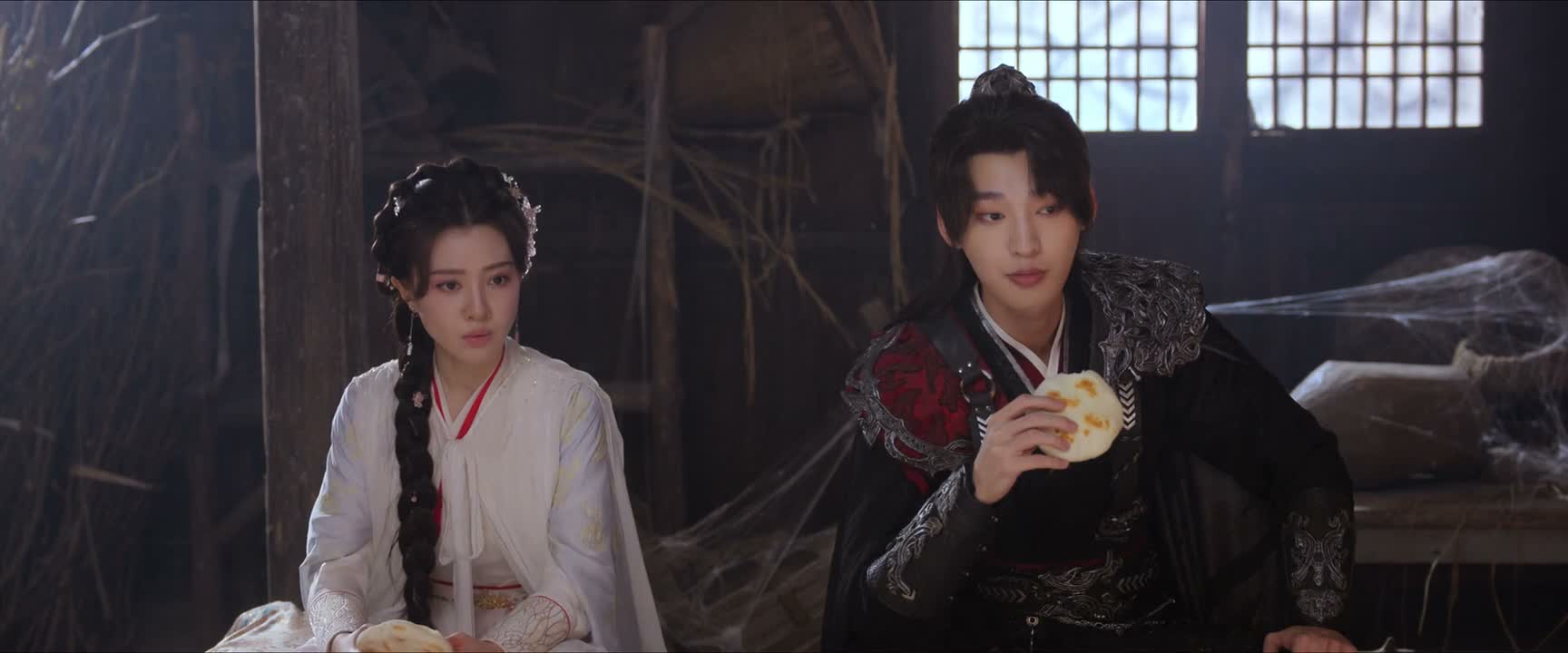
“Maybe no one will come tonight.”