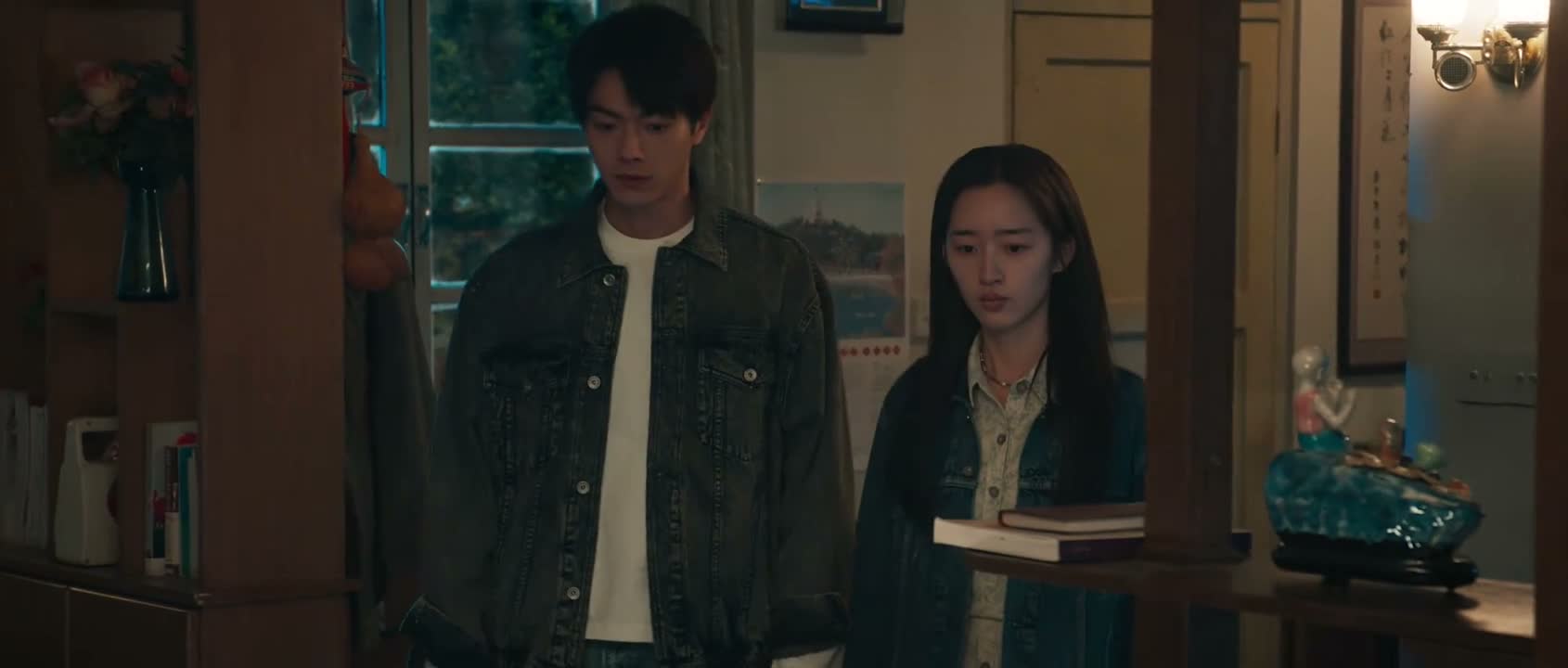
《The Imperial Coroner》 S2·E7 (35:05)
HSK 2
zhè me wǎn le nǐ zhè shì qù nǎ le a
这么晚了你这是去哪了啊
“It's so late. Where have you been?”
《The Imperial Coroner》
S2·E7
TIMECODE: 35:05
·
1080P MASTER AUDIO
THE DIALOGUE REEL
[-1] PREVIOUS TURN
yā tou
丫头
“Chu.”
zhè me wǎn le nǐ zhè shì qù nǎ le a
CURRENT FOCUS
这么晚了你这是去哪了啊
“It's so late. Where have you been?”
[+1] FOLLOW-UP TURN
gē gěi nǐ dài le hǎo dōng xī
哥给你带了好东西
“I brought you something nice.”
Subtitles synced to millisecond timecode
Browse Show Clips →
Scene:
Family & Home
Function:
INQUIRING WHEREABOUTS
Tone:
INQUISITIVE
Emotion:
CONCERN
WHAT THEY REALLY MEAN (PRAGMATIC SUBTEXT)
“You shouldn't be wandering around this late; where on earth have you been?”
💡 Cultural Insight: Familial Caring through Questioning
In Chinese family culture, asking about someone's whereabouts late at night is a standard display of protective affection and care rather than an invasion of privacy.
INTENT TAGS:
#concern
#inquiring
#scolding
#checking_in
🧩
2 CHUNKS · 2 PARTICLES
LEARNING CHUNKS & PARTICLES
这么晚了
SPOKEN CHUNK
so late already
A common spoken phrase used to preface questions or reminders about someone's late hours.
去哪了
SPOKEN CHUNK
where did you go
An everyday conversational chunk to ask about someone's whereabouts.
Modal Particle「了」 (le)
CHANGE OF STATE
Marks a change of state, highlighting that it has already become late.
Modal Particle「啊」 (a)
CHANGE OF STATE
Softens the interrogative tone into familiar, warm curiosity rather than an aggressive cross-examination.
🏮
3 EXPR · 5 GRAMMAR
VOCABULARY & EXPRESSIONS
COLLOQUIAL EXPRESSIONS:
GRAMMAR BLUEPRINTS:
CROSS-CINEMA CORPUS BOARD · PARALLEL SCENES
EXPLORE BY SEMANTIC SIMILARITY
Parallel Spoken Cinema Scenes (语义近邻切片)

《The Imperial Coroner》 S2·E7 (35:05) · Authentic Cinema Dialogue Corpus