都已经这么晚了 太爷去哪儿了呀 怎么办
“It's so late. Where did Master go? What should we do?”
THE DIALOGUE REEL
万福 万福
“Wanfu.”
都已经这么晚了 太 爷 去哪儿了 呀 怎么办
“It's so late. Where did Master go? What should we do?”
都怪我
“It's all my fault.”
Direct spoken expression in this communicative setting.
In traditional Chinese family structures, the safety and well-being of the eldest patriarch (太爷) are paramount family priorities.
LEARNING CHUNKS & PARTICLES
it is already this late
Commonly used to emphasize the lateness of the hour when worrying about someone or urging someone to sleep/leave.
what should we do?
A high-frequency colloquial expression used when feeling helpless or facing a dilemma.
Marks a change of state, highlighting that time has progressed and it is now late.
Softens the interrogative while expressing heightened agitation and helplessness.
VOCABULARY & EXPRESSIONS
Parallel Spoken Cinema Scenes (语义近邻切片)

“It's so late. Why are you here?”

“It's so late. Where did you go?”
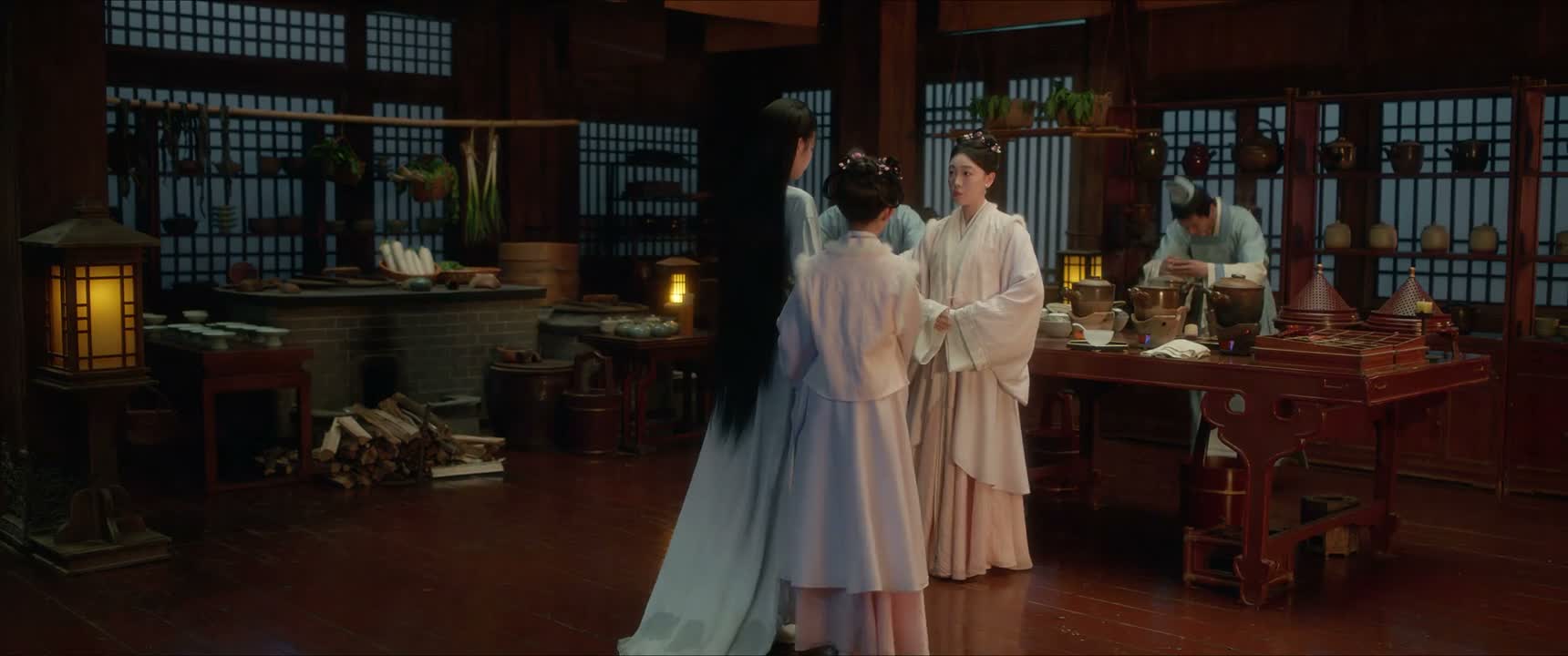
“What brings you here so late at night?”
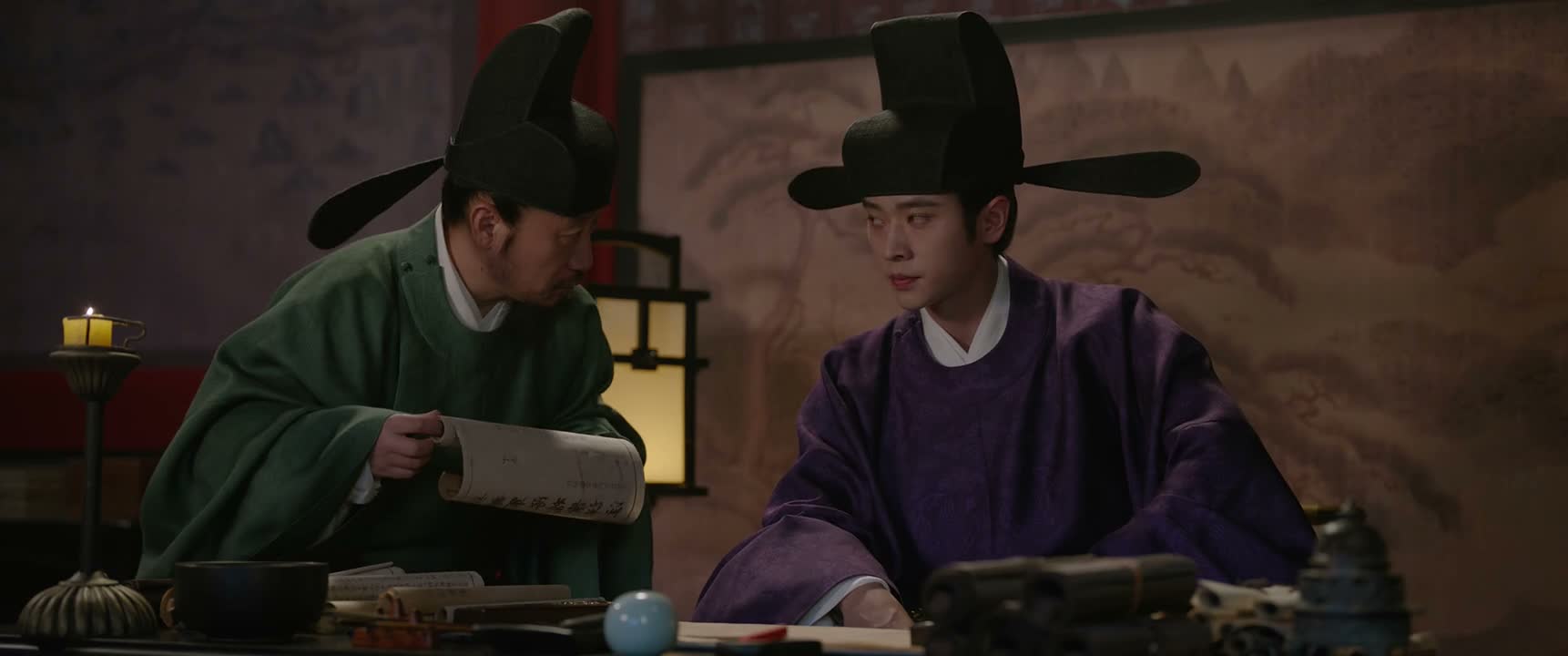
“Getting back this late?”
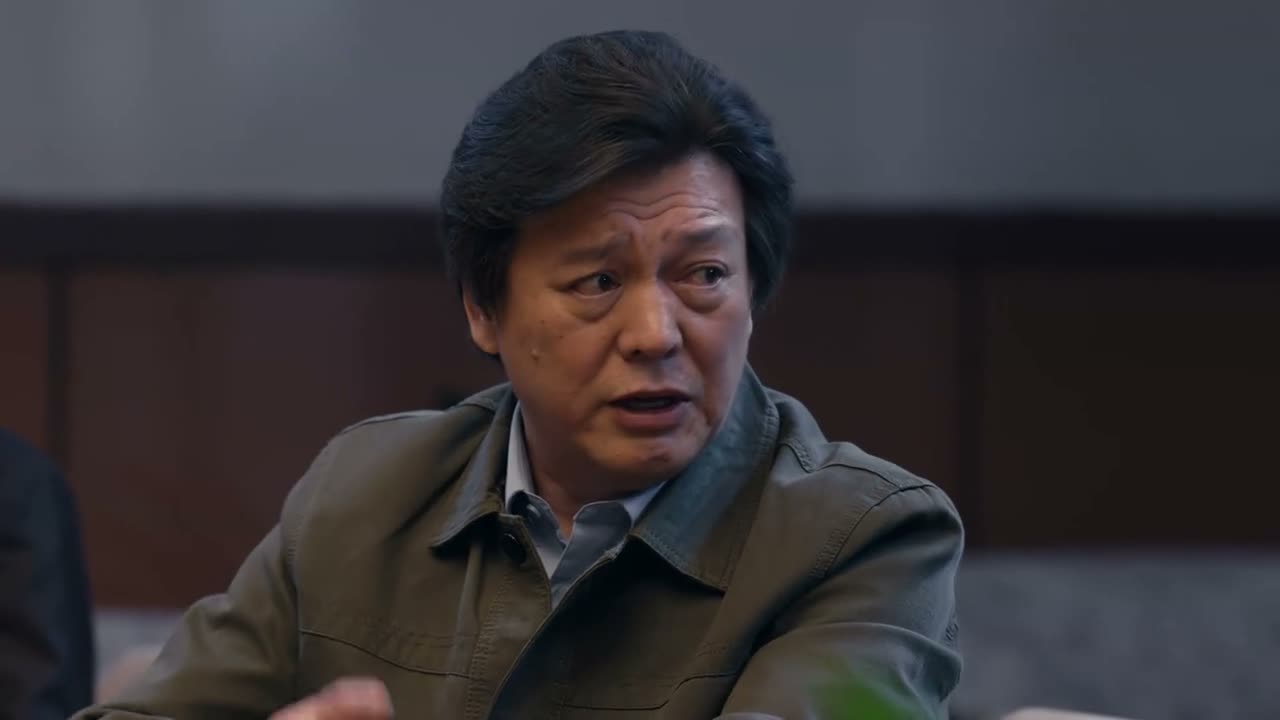
“Mr. Zhao, it's late now. It's fine.”

“Why are you back so late? Where did you go?”