意外
yì wàiCommon spoken expression used by native Chinese speakers in daily life.
[Scene: 其他场景]
(29 clips)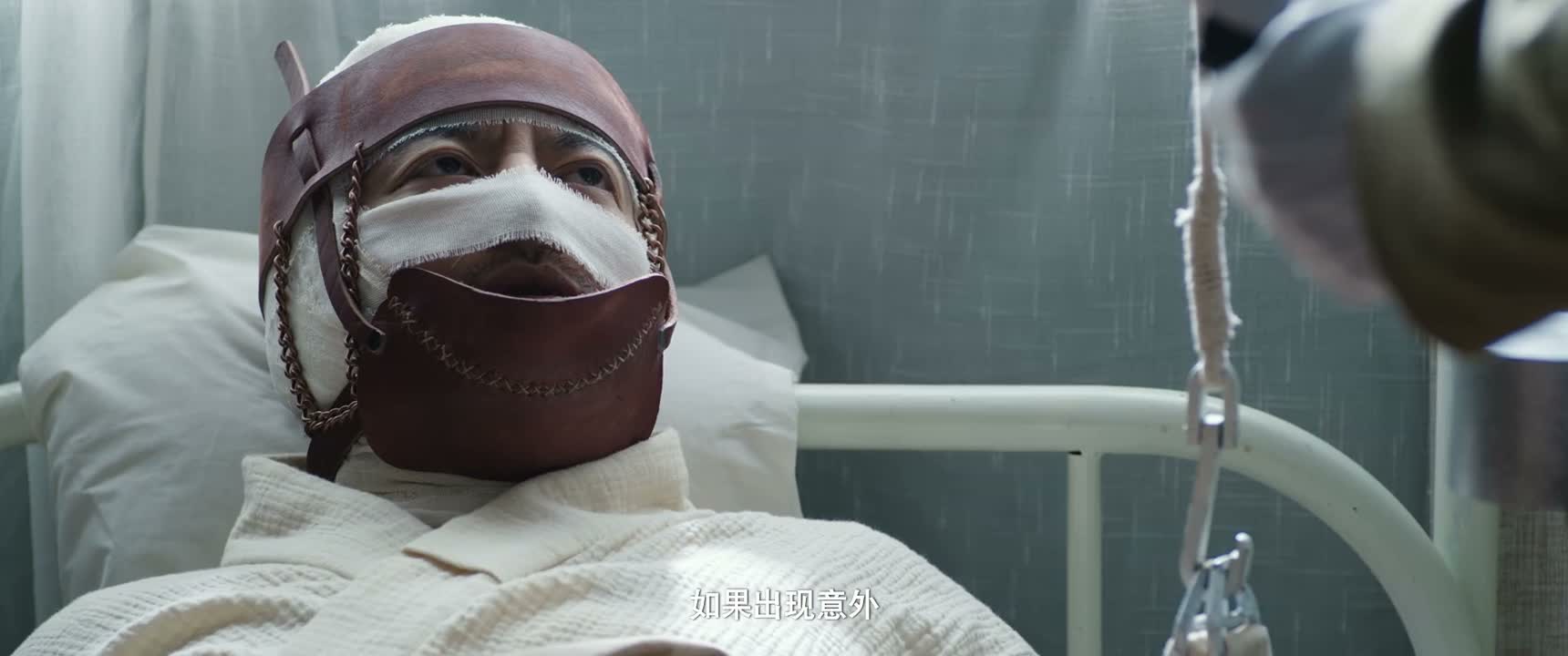 00:02
 00:02
 00:02
 00:02
 00:02
 00:02
 00:03
 00:03
(想让我觉得 我肚子里的孩子没了) ── Previous context
“had nothing to do with her, and that it was just an accident, right?”
 00:02
 00:02
 00:03
 00:02
(我有那么差吗) ── Previous context
“Do I really need to use an accident to guilt-trip someone into being with me?”
 00:02
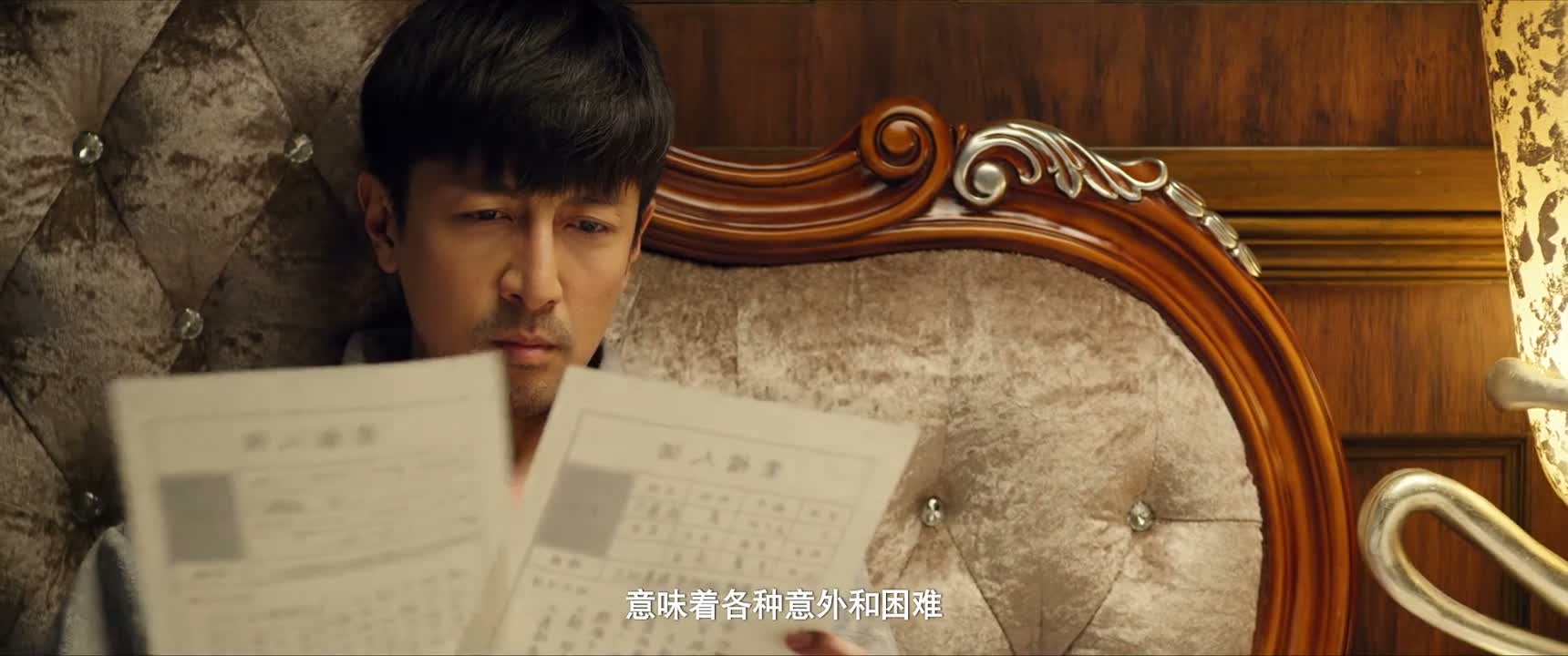 00:02
 00:02
(你决定离开这个世界的时候) ── Previous context
“- I know you keep calling it an accident. - It wasn't.”
 00:02
 00:02
 00:03
(我是担心) ── Previous context
“I'm worried that maybe she ran into some kind of accident or encountered some danger,”
 00:03
(我当时整个人都懵了) ── Previous context
“I thought my mom had accidentally fallen off the cliff.”
 00:02
 00:02
 00:03
(来) ── Previous context
“Do you dare say before Shi Kai's desk that his death was purely accidental?”
 00:02
(意外意外 说了多少遍那是个意外) ── Previous context
“What truth are you trying to uncover? Was it so?”
 00:03
(所以我要调查清楚 还原真相) ── Previous context
“It was an accident, as I've told you many times.”
 00:03
(什么时候知道的) ── Previous context
“Why are there so many unexpected obstacles along the way? I know.”
 00:02
 00:02
 00:02
 00:02
[Scene: 其他场景]
(8 clips) 00:02
(总会死的) ── Previous context
“Whether it's this accident or that one, it's inevitable.”
 00:03
(再换个台) ── Previous context
“How did you get injured before the exam? Was it an accident?”
 00:02
 00:02
 00:02
(才搬家的) ── Previous context
“That was an accident. She was unwilling to let it happen.”
 00:02
 00:02
 00:02
[Scene: 历史宫廷]
(2 clips) 00:02
 00:03
(他呢 第一次进宫难免好奇 偷偷跑到掬月池旁) ── Previous context
“where he happened to see you fall in. He saved you.”
[Scene: 家庭日常]
(1 clips) 00:02
📌 不懂事
→Nuance: 共享核心口语谓词: [不好意思]
📌 没事
→Nuance: 共享核心口语谓词: [对不起]
📌 认错
→Nuance: 同向近义词根配对: [抱歉 ↔ 不好意思]
📌 放心
→Nuance: 表达担忧交际意图一致
📌 怎么办
→Nuance: 同向近义词根配对: [如果 ↔ 万一]
📌 添麻烦
→Nuance: 共享核心口语谓词: [不好意思]
📌 不容易
→Nuance: 均感慨一路经历艰辛不易