你敢对着石恺说 他的死就是个意外吗
“Do you dare say before Shi Kai's desk that his death was purely accidental?”
THE DIALOGUE REEL
来
“Come here.”
你敢 对着石恺说 他的死 就是个 意外 吗
“Do you dare say before Shi Kai's desk that his death was purely accidental?”
师哥
“Senior,”
“You know full well it wasn't an accident, and you're too cowardly to face your own conscience.”
Invoking a deceased person's spirit or presence ('facing them') is a powerful moral appeal in Chinese culture that forces an opponent to confront their deepest guilt.
LEARNING CHUNKS & PARTICLES
facing; directly to someone's face
Used before a person or symbol to indicate an action done directly in their presence, often carrying moral weight.
was merely an accident
Used dismissively or defensively to minimize foul play or deliberate intent in an incident.
Converts a dare into an aggressive rhetorical challenge demanding self-examination.
VOCABULARY & EXPRESSIONS
Parallel Spoken Cinema Scenes (语义近邻切片)

“You wanted to get justice for Shi Kai.”
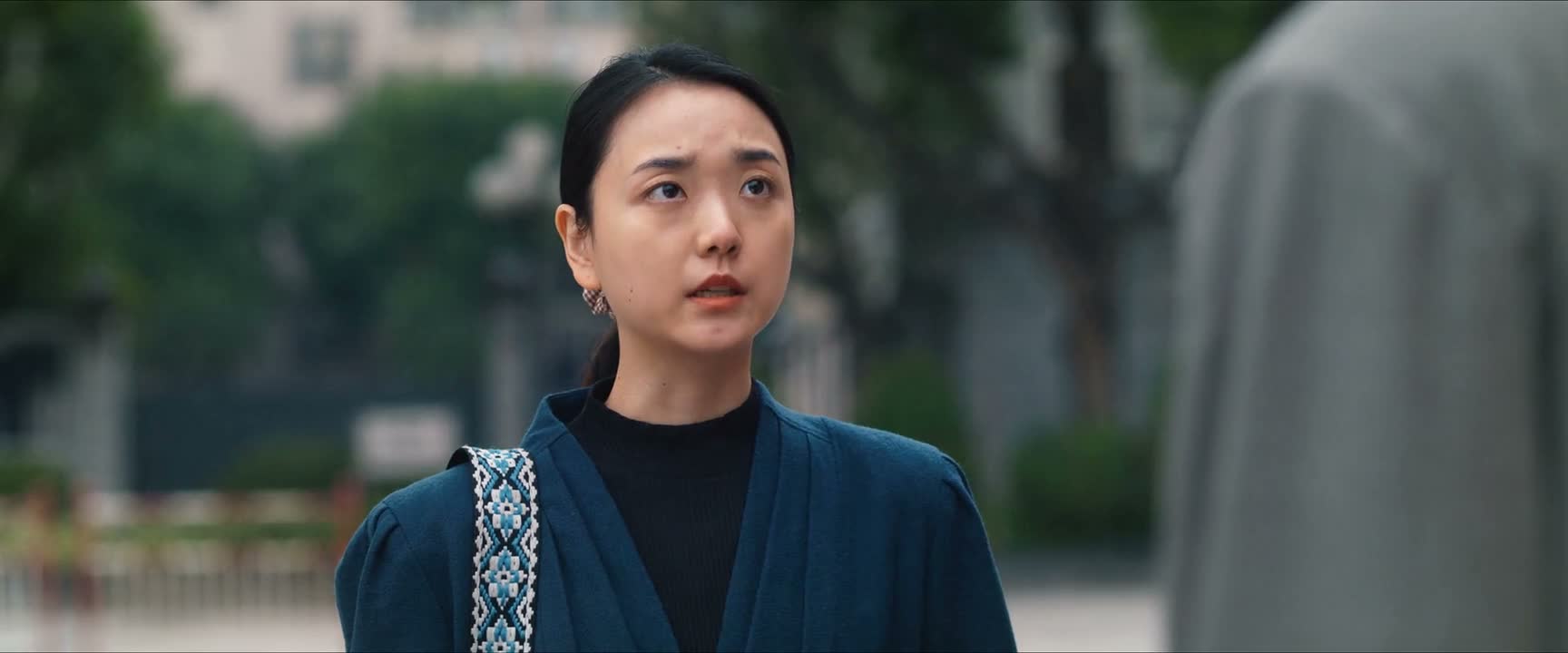
“we finally got justice for Shi Kai.”
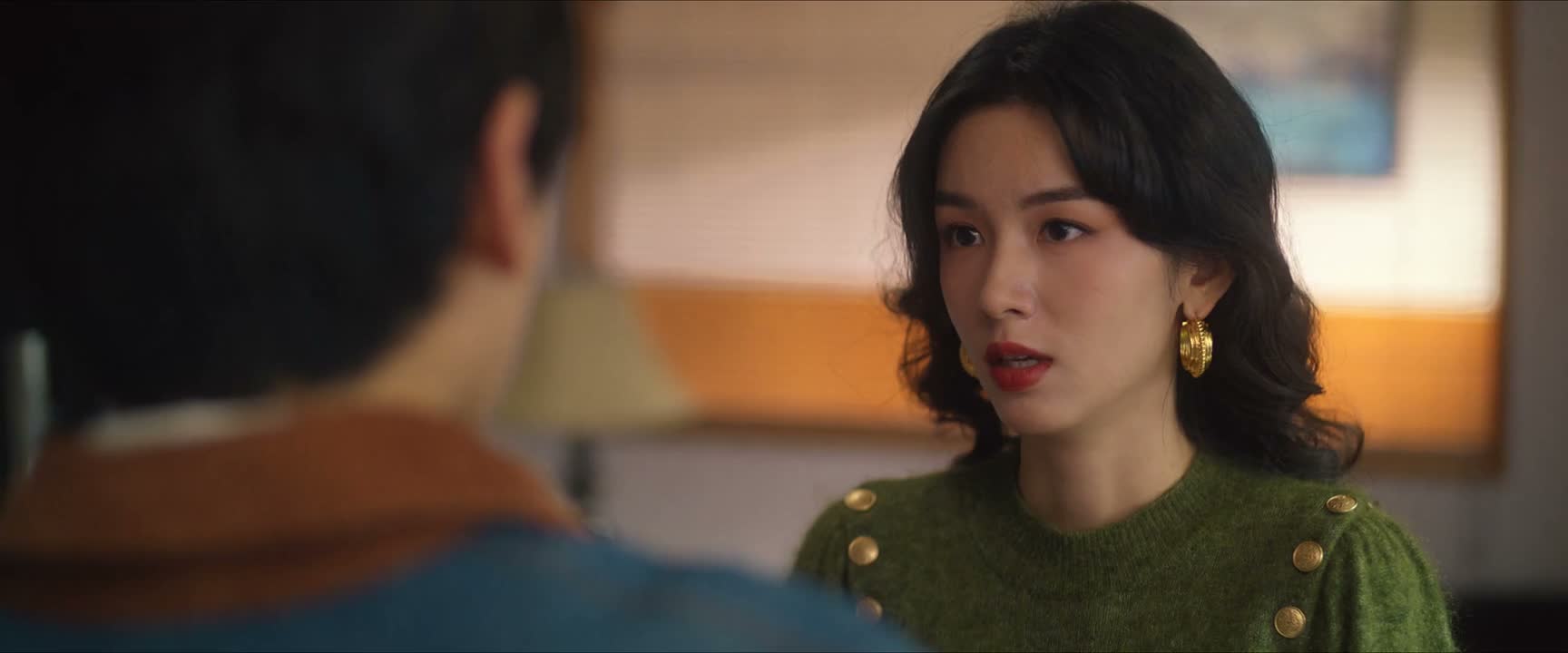
“Shi Kai's case has finally come to a conclusion.”

“Before I died, I had to say goodbye to her.”

“Tell Zhang Yan to check the deceased's identity.”

“His death was an accident. It had nothing to do with me.”