认错
rèn cuòCommon spoken expression used by native Chinese speakers in daily life.
[Scene: 社交聚会]
(5 clips) 00:02
 00:02
 00:02
 00:02
 00:02
[Scene: 其他场景]
(4 clips) 00:02
 00:03
 00:02
(这大人还没小孩勇敢) ── Previous context
“They don't even have the courage to admit their mistakes.”
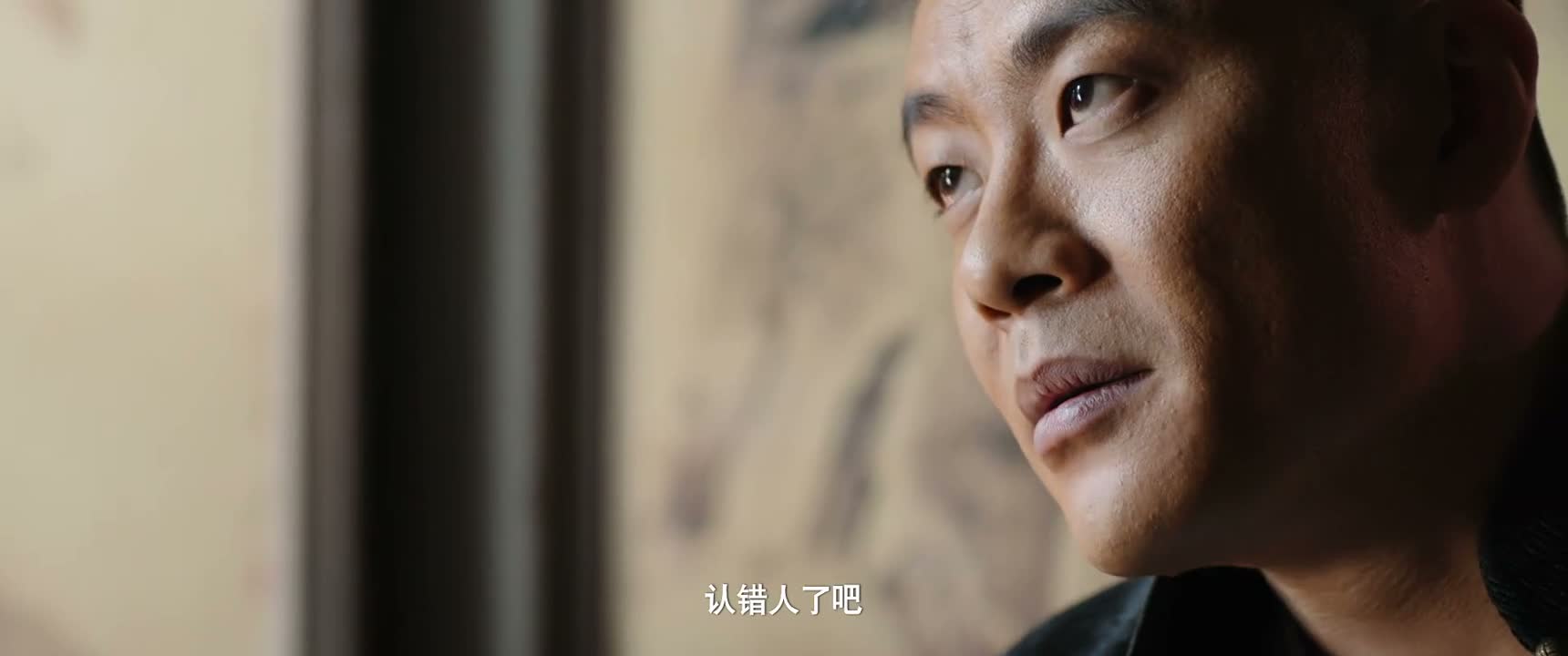 00:02
[Scene: 其他场景]
(4 clips) 00:02
(怎么可能呢) ── Previous context
“You must have mistaken her for someone else. She looked just like your mother—”
 00:02
(几位女同志) ── Previous context
“Ladies, excuse me. You made a mistake. The one you want is on the motorcycle there.”
 00:02
 00:02
(当初在林安) ── Previous context
“♪ Will not be like sand slipping into the sea ♪ you would never have admitted you were wrong.”
[Scene: 家庭日常]
(4 clips) 00:02
 00:02
(生活与爱好相悖 总要有一方妥协) ── Previous context
“(The husband admits fault and shows a good attitude.)”
 00:02
 00:03
(但是她去世前 对我特别特别好) ── Previous context
“If only Mom had apologized to Grandma earlier.”
[Scene: 警匪刑侦]
(3 clips) 00:02
 00:02
(- 他就是黑客 - 黑客?) ── Previous context
“I'm not a hacker. You got the wrong guy. I'm innocent.”
 00:03
(已经安排工厂 和本代理人谈过了) ── Previous context
“They admitted fault and want us to drop it. Just now,”
[Scene: 历史宫廷]
(1 clips) 00:02
[Scene: 其他场景]
(1 clips) 00:02
📌 不懂事
→Nuance: 同向近义词根配对: [抱歉 ↔ 不好意思]
📌 没事
→Nuance: 同向近义词根配对: [抱歉 ↔ 不好意思]
📌 行行行
→Nuance: 同为不再争辩,表达方式略有不同
📌 行行行
→Nuance: 表达敷衍认错认输,可直接互换
📌 添麻烦
→Nuance: 同向近义词根配对: [抱歉 ↔ 不好意思]
📌 意外
→Nuance: 同向近义词根配对: [抱歉 ↔ 不好意思]
📌 对不起
→Nuance: 态度同为不耐烦地认错道歉