行行行 我不解释了 我认错行了吧 我道歉
“Fine. I'll stop. I was wrong. I'm sorry.”
THE DIALOGUE REEL
你不要跟我解释了
“Stop explaining!”
行行行 我不 解释 了 我认 错 行了吧 我 道歉
“Fine. I'll stop. I was wrong. I'm sorry.”
“I was wrong, okay? Come out. Don't stay in there.”
“Just stop yelling at me; I'll say whatever you want so we can end this drama.”
In contemporary Chinese relationship discourse, an apology driven purely by conflict-avoidance (often mocked as '敷衍认错') frequently backfires, as partners expect emotional empathy rather than hasty concessions.
LEARNING CHUNKS & PARTICLES
alright, alright, alright / fine, fine
Triple repetition indicates impatience and superficial compliance to shut down an argument.
is that good enough? / happy now?
A rhetorical, exasperated phrase showing that an apology or concession is forced.
I admit my mistake / I concede fault
Used to take blame, though tone determines whether it is sincere or grudging.
Indicates the cessation of an action (explaining) and change of status (admitting fault).
Conveys an exasperated, rhetorical plea for mutual agreement or peace.
VOCABULARY & EXPRESSIONS
Parallel Spoken Cinema Scenes (语义近邻切片)

“OK, I'm wrong. I'm wrong. OK?”
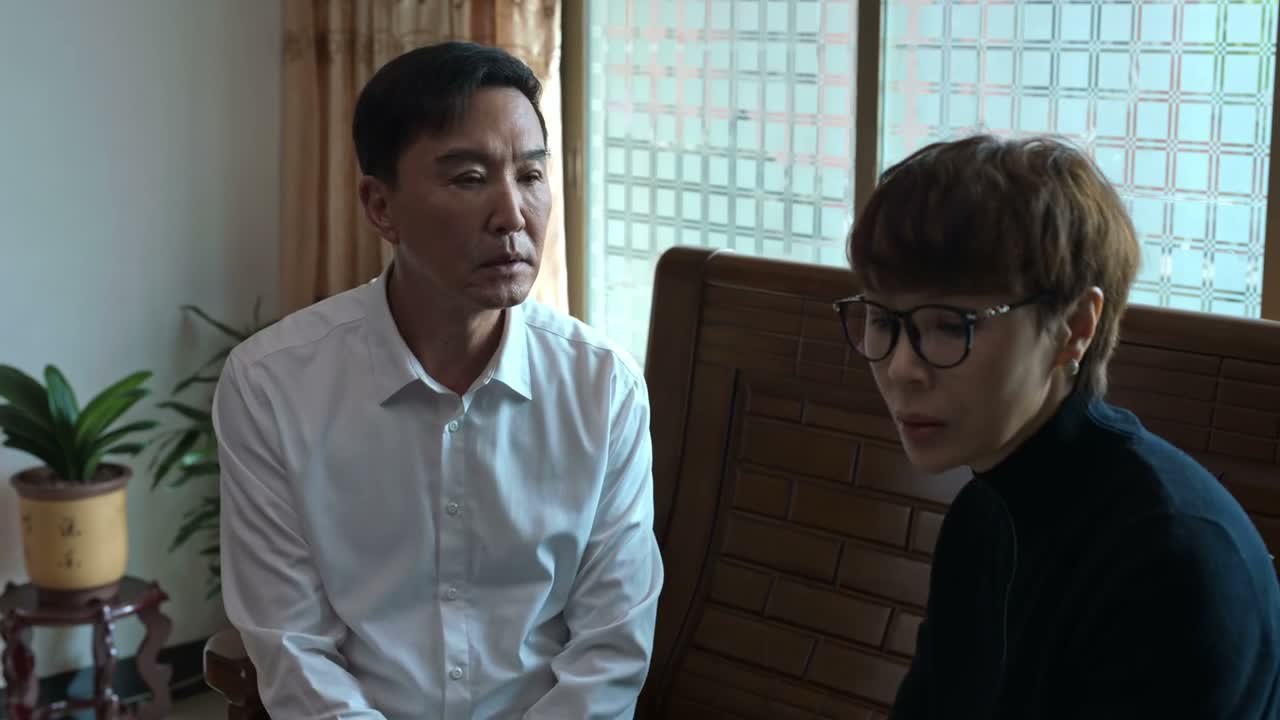
“OK. I was wrong.”
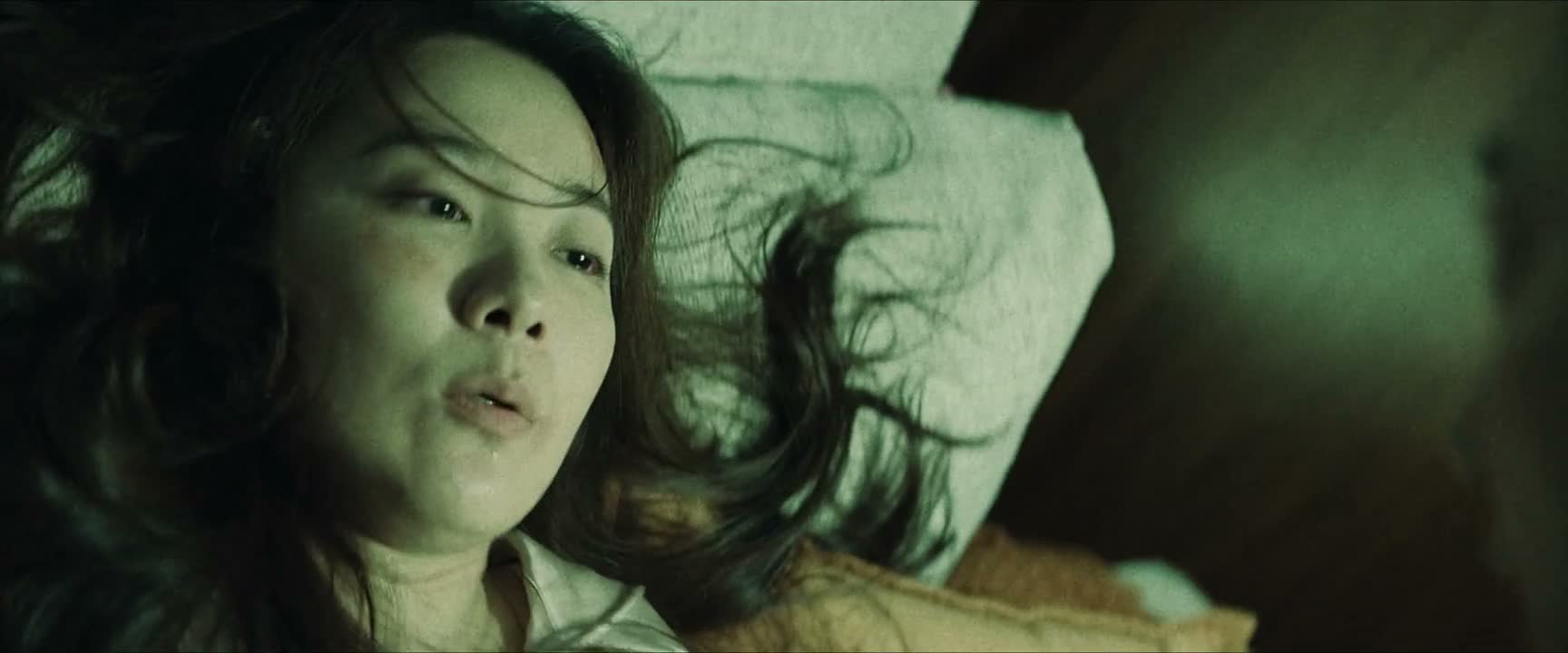
“I'm sorry. I was wrong. You think that's enough?”