行行行 我错了 我错了 好吧
“OK, I'm wrong. I'm wrong. OK?”
THE DIALOGUE REEL
“but you just laugh at me like everyone else. When did I laugh at you?”
行行行 我错了 我错了 好吧
“OK, I'm wrong. I'm wrong. OK?”
你以后能不能 别提这事了
“Please don't mention it ever again!”
“Fine, I will just take the blame so you will stop nagging me about this.”
In Chinese interpersonal conflict, repeating 'I was wrong' rapidly is often a tactic to restore superficial peace rather than a sincere admission of wrongdoing.
LEARNING CHUNKS & PARTICLES
alright, alright / fine, fine
Used colloquially to express reluctant agreement or to cut off someone's complaints out of annoyance.
my bad / I was wrong
A direct admission of fault, but when repeated rapidly, it conveys perfunctory surrender rather than true guilt.
Softens the rhetorical question into an exasperated plea for the listener to drop the matter.
VOCABULARY & EXPRESSIONS
Parallel Spoken Cinema Scenes (语义近邻切片)

“Fine. I'll stop. I was wrong. I'm sorry.”
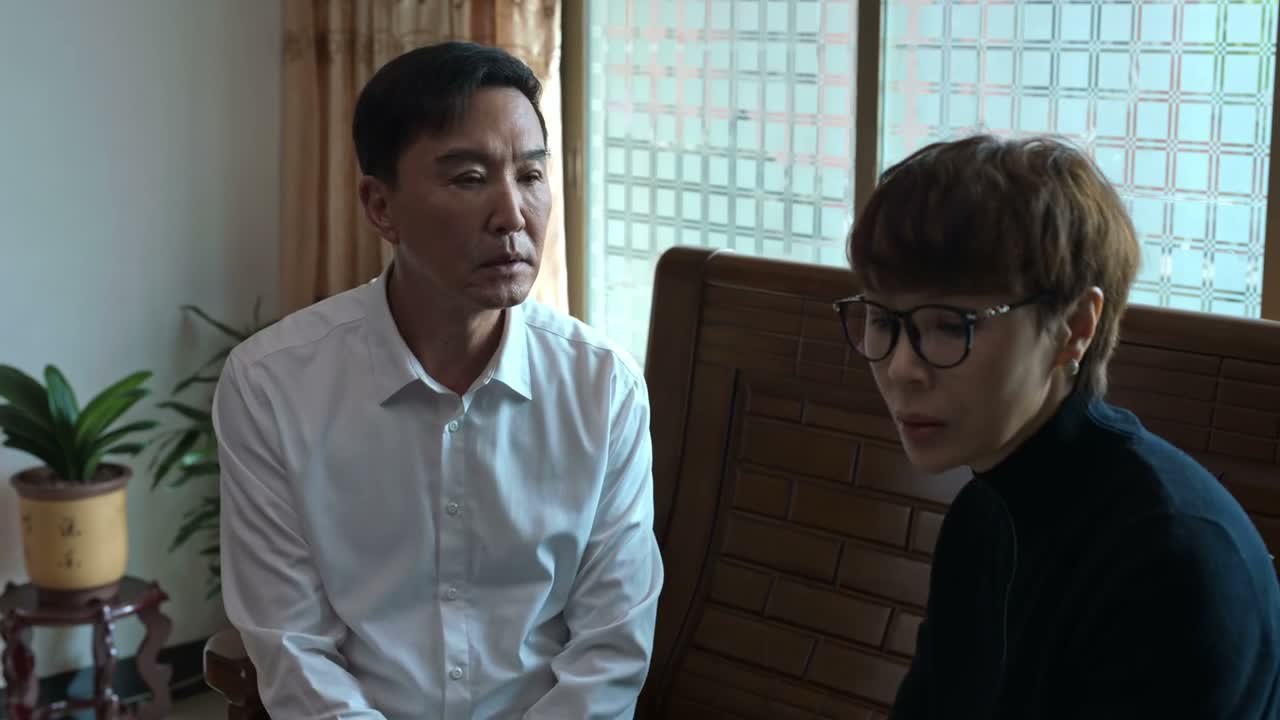
“OK. I was wrong.”
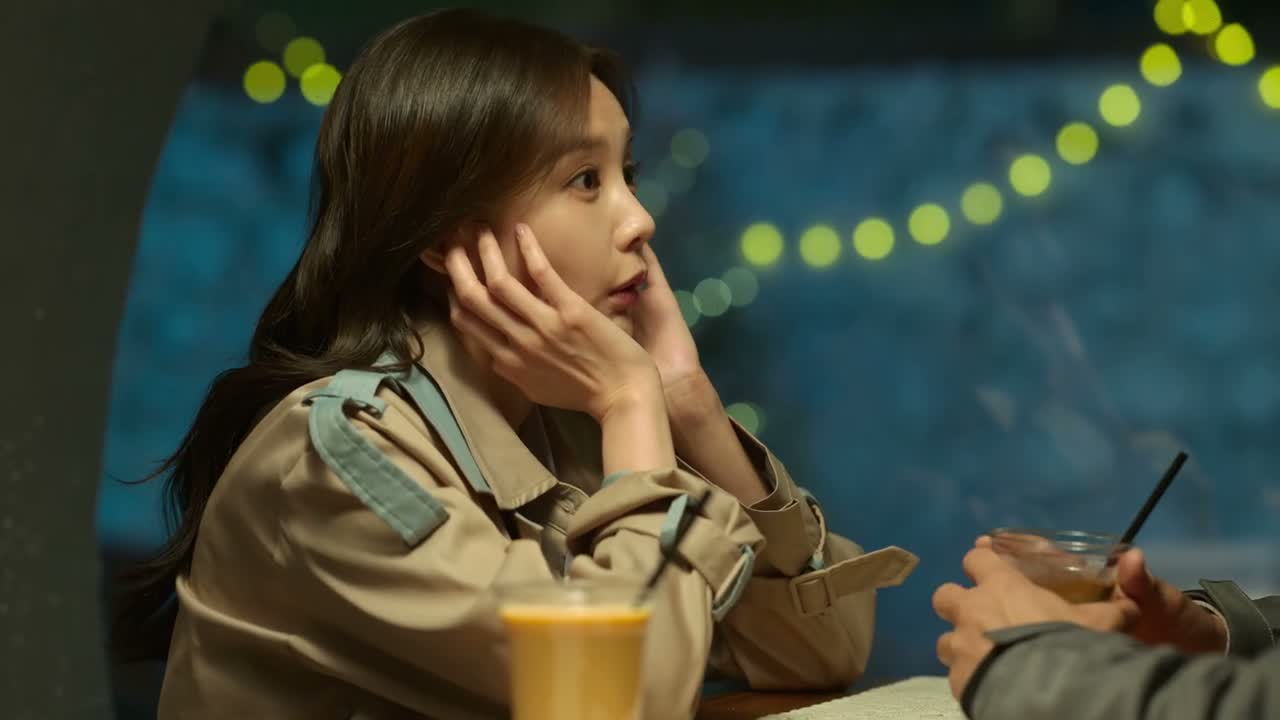
“I was wrong. My bad.”
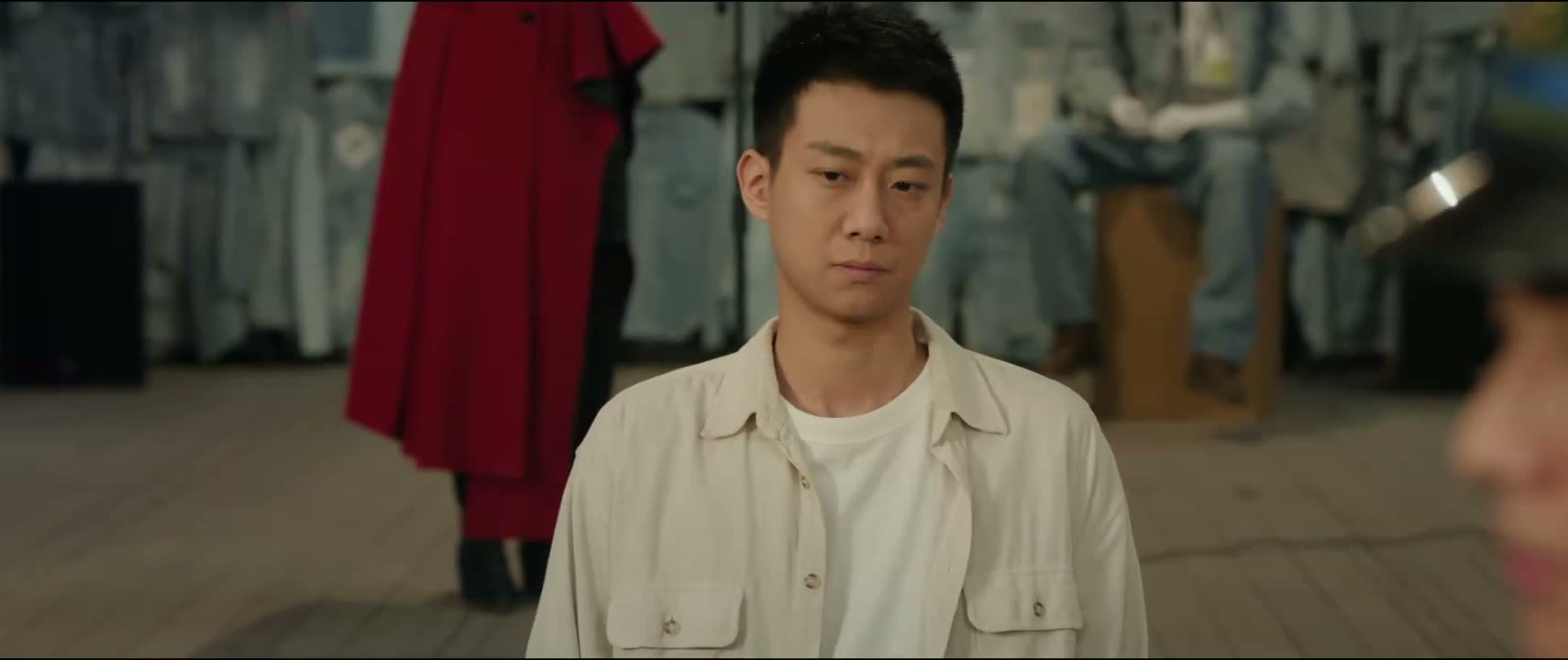
“I'm so sorry! Sorry!”