我错了 我错了
“I was wrong. My bad.”
THE DIALOGUE REEL
你刚才先看张大庆照片 要跟我聊
“It was you who wanted to take a look of Zhang Daqing's photo and to talk about it with me.”
我错了 我错了
“I was wrong. My bad.”
我好像
“It seems I...”
“Please stop pressing me; I admit my lapse so we can move past this slip-up.”
In Chinese interactions with figures of authority, repeating quick apologies demonstrates humility and submissiveness to avoid deeper reprimand.
LEARNING CHUNKS & PARTICLES
my mistake / I was wrong
Repeated twice in succession to convey haste, submissiveness, and an urge to de-escalate tension.
VOCABULARY & EXPRESSIONS
Parallel Spoken Cinema Scenes (语义近邻切片)

“I'm so sorry! Sorry!”

“I was wrong. I was wrong. I'm sorry. I'm sorry.”

“I was wrong! I was wrong!”

“I really know my mistake! I was wrong!”

“It's my fault. I'm sorry.”

“I'm sorry. I was wrong. You think that's enough?”

“I'm so sorry.”

“Sorry, it's my fault.”

“We were wrong. We were really wrong. It was a misunderstanding. Sorry.”

“My mistake. I'm sorry.”

“OK. I was wrong.”

“I'm sorry, Father.”

“OK, I'm wrong. I'm wrong. OK?”

“Today, I just want to admit it,”
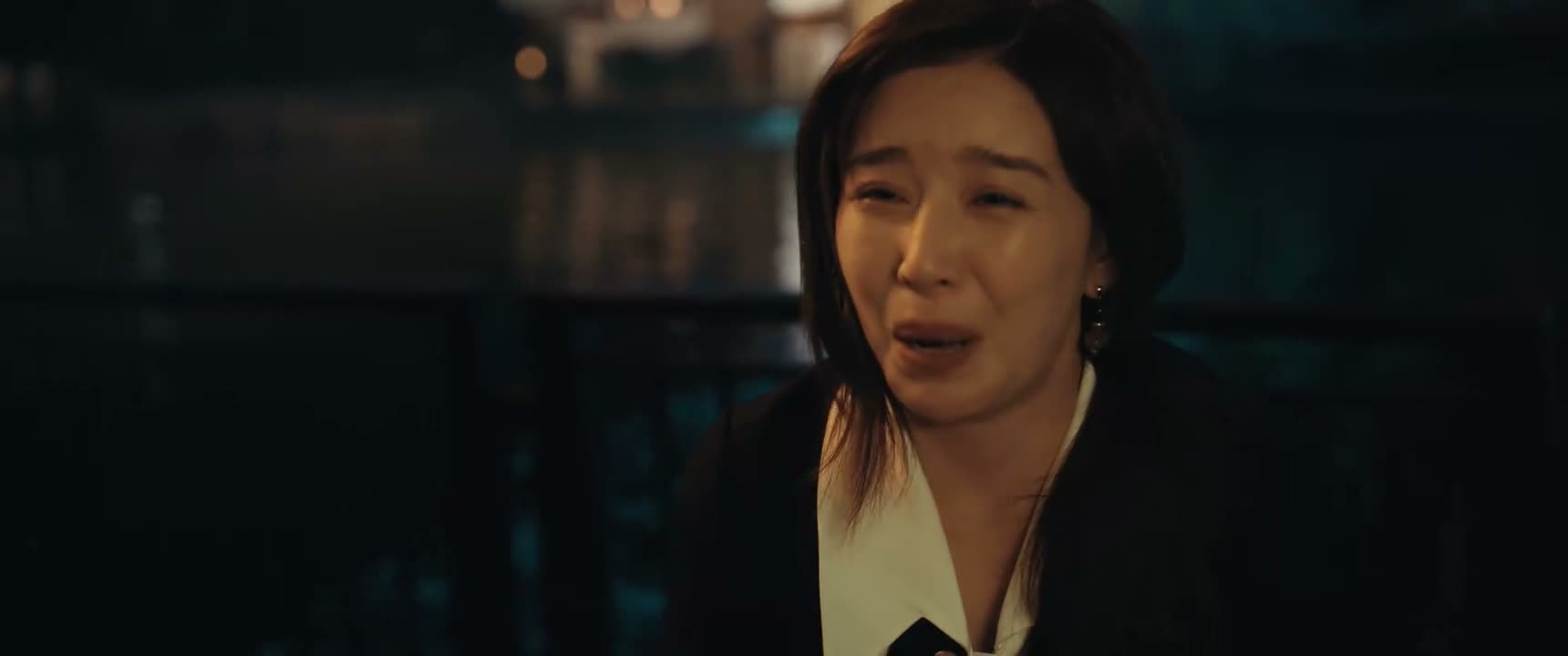
“Am I wrong? Of course.”

“I didn't raise her well. It's my fault. Come on.”
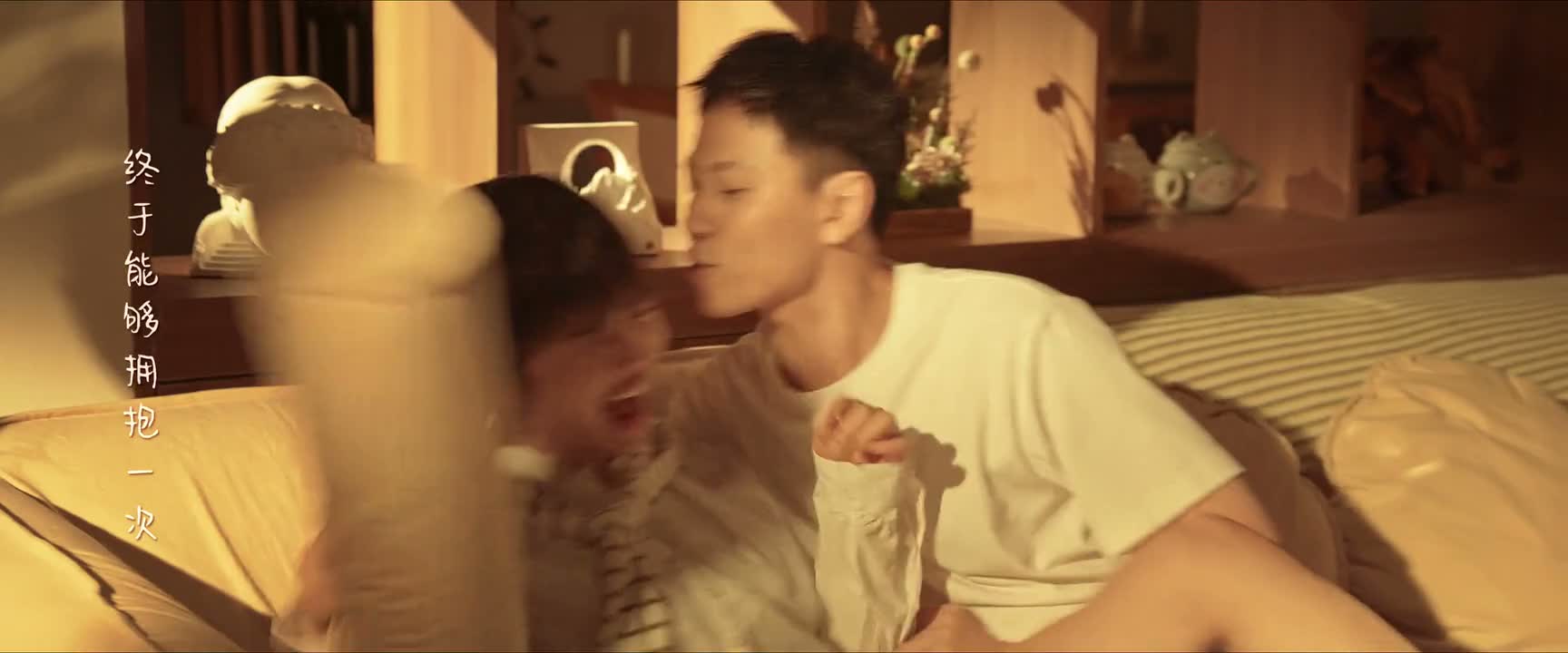
“♪ Finally, being able to embrace ♪ I was wrong! Me or the outfit? Sorry, sorry. ♪ The dawn ♪ Me or the outfit?”

“I-I was wrong, okay? Well...”
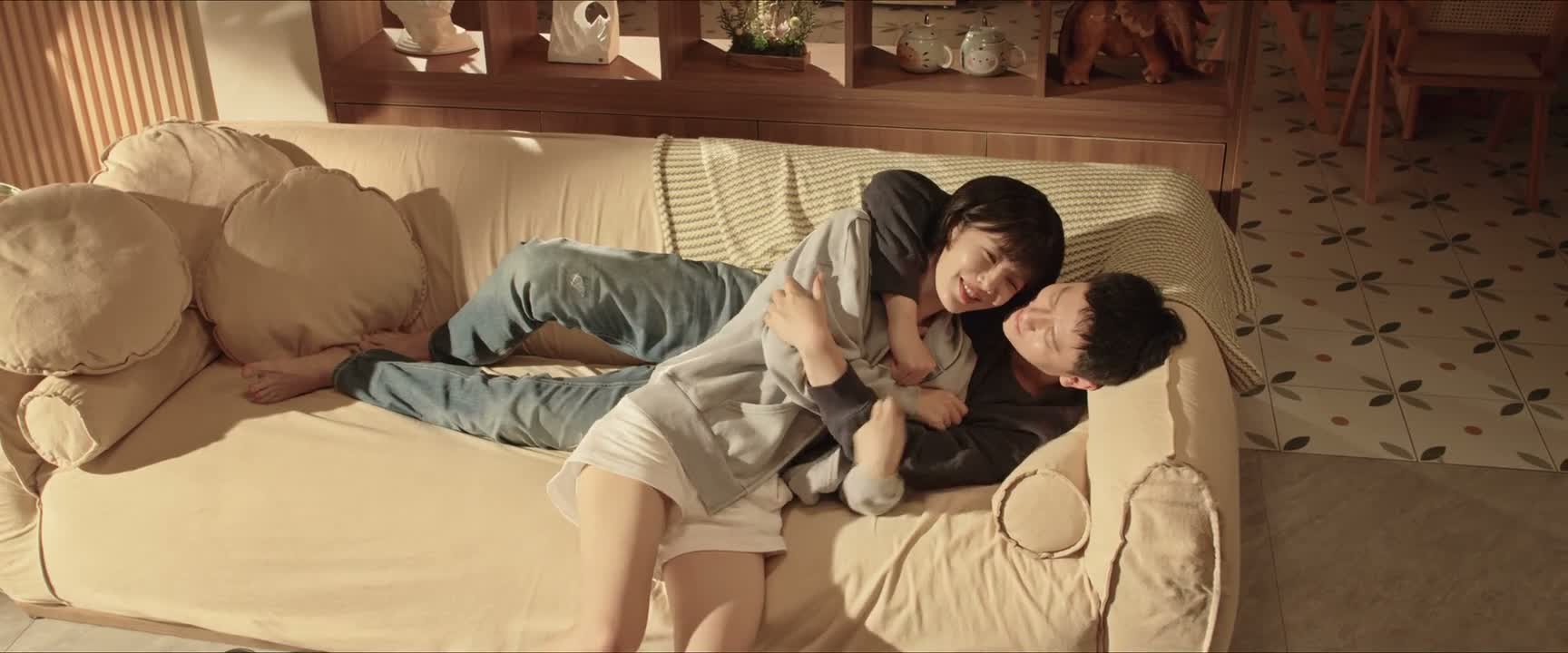
“Sorry. I did wrong. Did you choke?”

“Guess I did get mixed up.”