我错了 对不起
“It's my fault. I'm sorry.”
THE DIALOGUE REEL
谁知道你那么胆小
“Who knew you'd be so timid.”
我错了 对不起
“It's my fault. I'm sorry.”
我送你回去吧 你这一瘸一拐的 走到家天都黑了
“I'll give you a ride back. You're limping. It'd be dark by the time you get home.”
Direct spoken expression in this communicative setting.
While public admissions of fault can be face-threatening, using direct apologies in private intimate settings conveys vulnerability, genuine remorse, and an intention to mend harmony quickly.
LEARNING CHUNKS & PARTICLES
I was wrong / My bad
A straightforward admission of fault used casually among close peers or intimate partners.
I'm sorry
The standard and most universally recognized phrase for apologizing in spoken Chinese.
VOCABULARY & EXPRESSIONS
Parallel Spoken Cinema Scenes (语义近邻切片)

“My mistake. I'm sorry.”

“I'm so sorry! Sorry!”

“I was wrong. My bad.”

“I'm sorry. I was wrong. You think that's enough?”

“I was wrong. I was wrong. I'm sorry. I'm sorry.”

“Sorry, it's my fault.”

“We were wrong. We were really wrong. It was a misunderstanding. Sorry.”
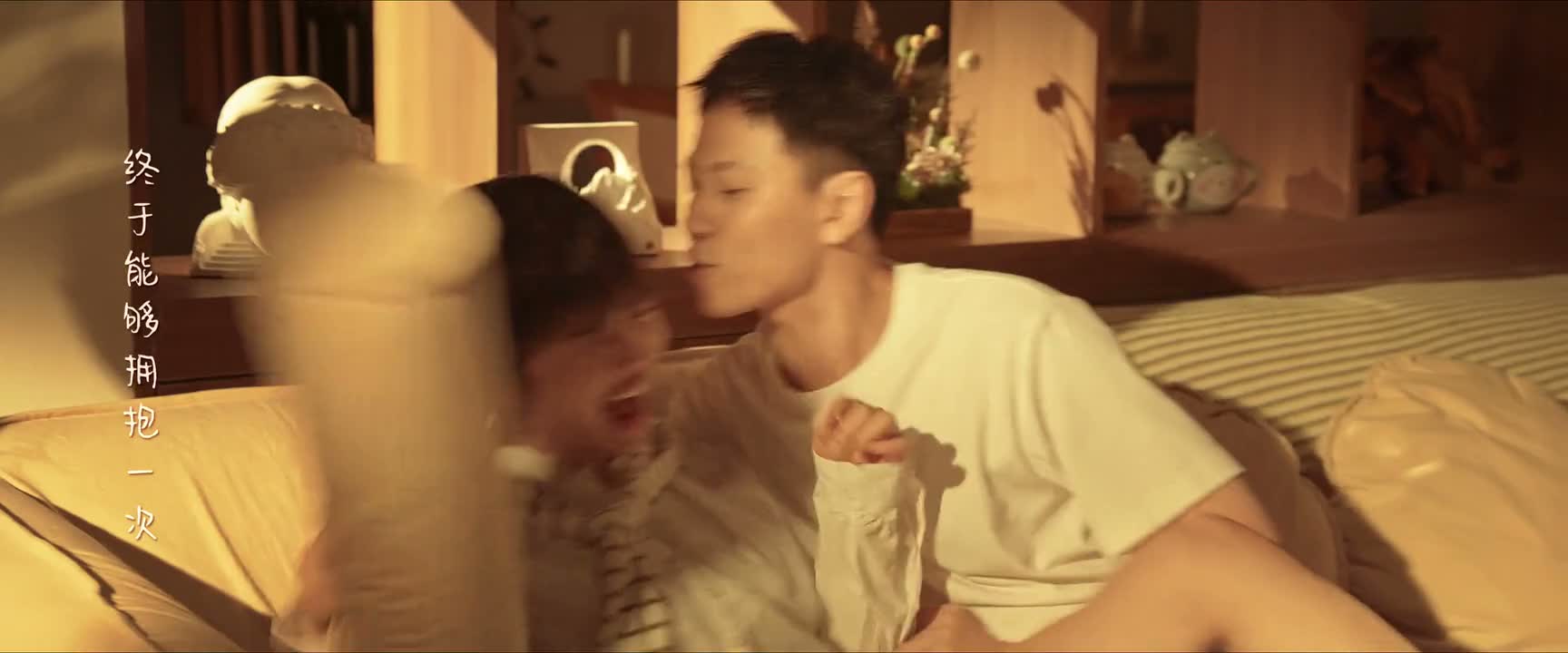
“♪ Finally, being able to embrace ♪ I was wrong! Me or the outfit? Sorry, sorry. ♪ The dawn ♪ Me or the outfit?”

“Xiaoming, I'm so sorry. It's all my fault. Mr. Liu told me it was your story.”
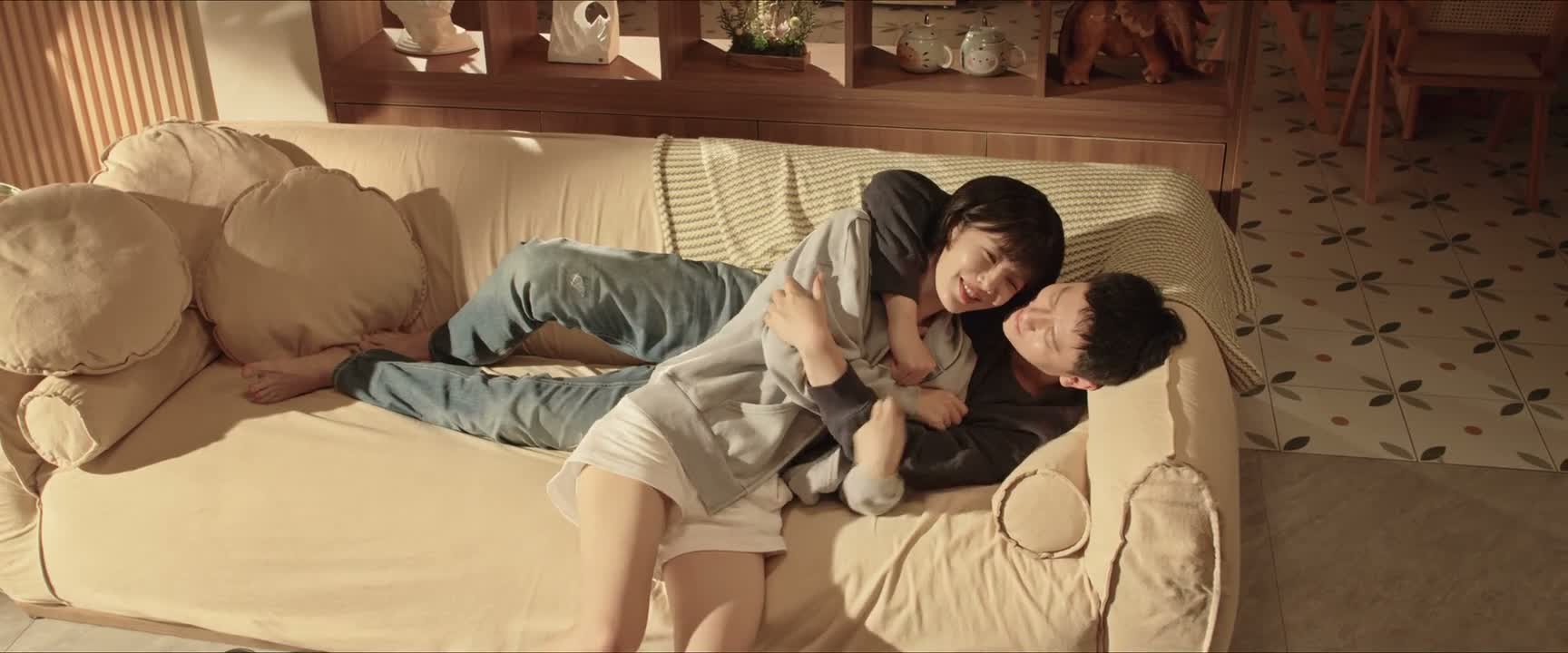
“Sorry. I did wrong. Did you choke?”

“I'm sorry. I'm sorry, Mr. Ma. I really messed up. Please forgive me.”

“I'm sorry, Father.”

“I was wrong. It's me who hurt you.”

“Guess I did get mixed up.”