我错了 我错了 对不起 对不起
“I was wrong. I was wrong. I'm sorry. I'm sorry.”
THE DIALOGUE REEL
开车看路
“Keep your eyes on the road.”
我错了 我错了 对不起 对不起
“I was wrong. I was wrong. I'm sorry. I'm sorry.”
求求你了 求求你了 求求你了
“I beg you. I beg you. Please.”
“Please spare me, don't hurt me, just focus on driving!”
In Chinese communication, especially during conflicts or tense confrontations, repeatedly saying 'wo cuo le' (I was wrong) and 'dui bu qi' (I'm sorry) is commonly used to quickly signal submission and diffuse hostility, serving as a self-preservation strategy in emergencies.
LEARNING CHUNKS & PARTICLES
Admitting a mistake, or conceding and backing down when cornered or dominated.
Extremely frequent in spoken Chinese. Rapid repetition typically conveys intense panic, fear, or an urgent plea for mercy.
Expressing an apology or asking for forgiveness.
A fundamental apology phrase. In high-stakes crisis situations, repeating it successively signals extreme panic and complete submission.
VOCABULARY & EXPRESSIONS
Parallel Spoken Cinema Scenes (语义近邻切片)

“I was wrong. My bad.”

“I'm so sorry! Sorry!”

“I was wrong! I was wrong!”

“I'm sorry. I was wrong. You think that's enough?”

“Sorry, it's my fault.”

“It's my fault. I'm sorry.”

“We were wrong. We were really wrong. It was a misunderstanding. Sorry.”
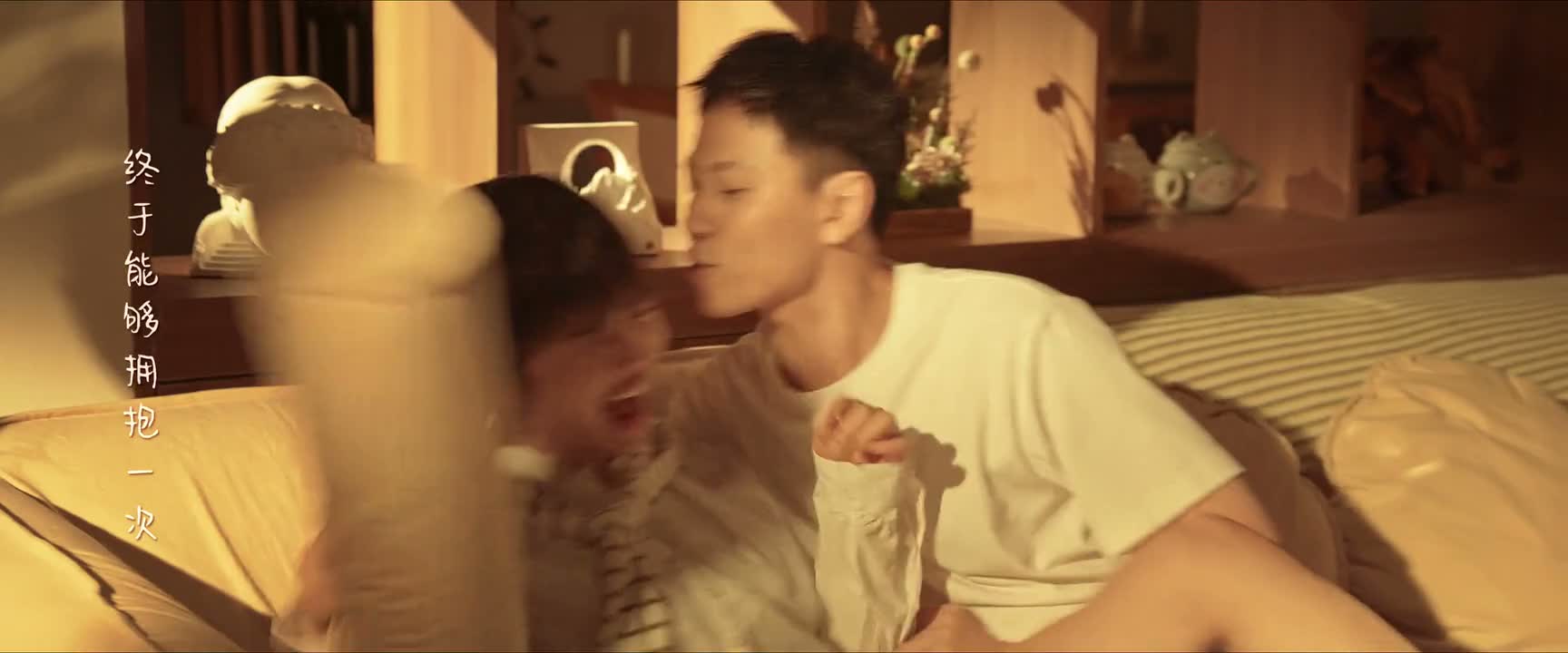
“♪ Finally, being able to embrace ♪ I was wrong! Me or the outfit? Sorry, sorry. ♪ The dawn ♪ Me or the outfit?”

“Xiaoming, I'm so sorry. It's all my fault. Mr. Liu told me it was your story.”

“Sorry. I did wrong. Did you choke?”

“I'm sorry. I'm sorry, Mr. Ma. I really messed up. Please forgive me.”

“I'm sorry, Father.”

“I was wrong. It's me who hurt you.”

“Mr. Zheng, I was wrong! I lost my mind.”