对不起 对不起 都是我的错 之前呢
“Xiaoming, I'm so sorry. It's all my fault. Mr. Liu told me it was your story.”
THE DIALOGUE REEL
小名啊
“Xiaoming, I'm so sorry. It's all my fault.”
对不起 对不起 都是我的错 之前呢
“Xiaoming, I'm so sorry. It's all my fault. Mr. Liu told me it was your story.”
刘老师就跟我说过
“Mr. Liu told me it was your story.”
Direct spoken expression in this communicative setting.
Taking full blame quickly with repeated apologies is a common relational strategy in Chinese culture to soothe the other party and maintain harmony.
LEARNING CHUNKS & PARTICLES
it is entirely my fault
Used to take total responsibility and de-escalate tension during a conflict or mistake.
I'm sorry / excuse me
The standard spoken apology across all registers of Mandarin.
Creates a pause after 'earlier' to hold the floor and draw attention to the upcoming explanation.
VOCABULARY & EXPRESSIONS
Parallel Spoken Cinema Scenes (语义近邻切片)

“I was wrong. I was wrong. I'm sorry. I'm sorry.”

“Sorry, it's my fault.”
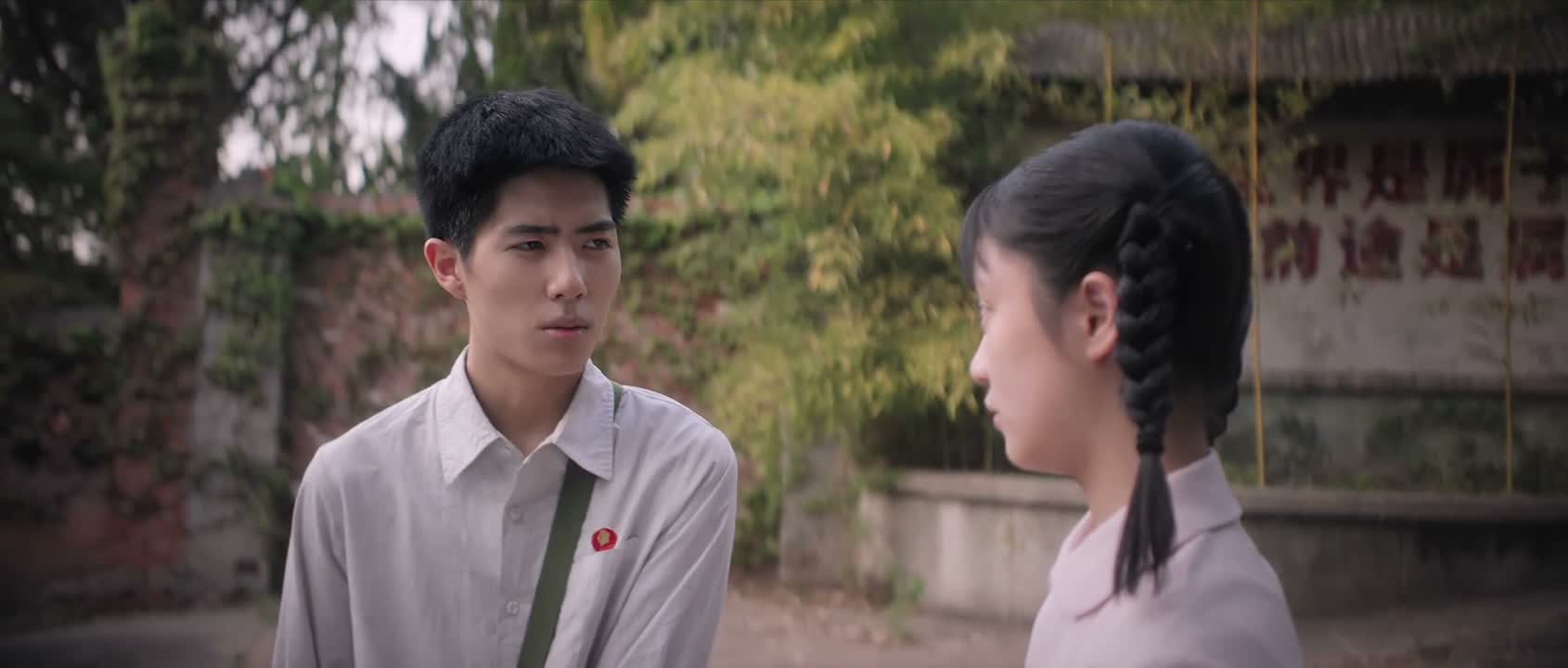
“It's my fault. I'm sorry.”
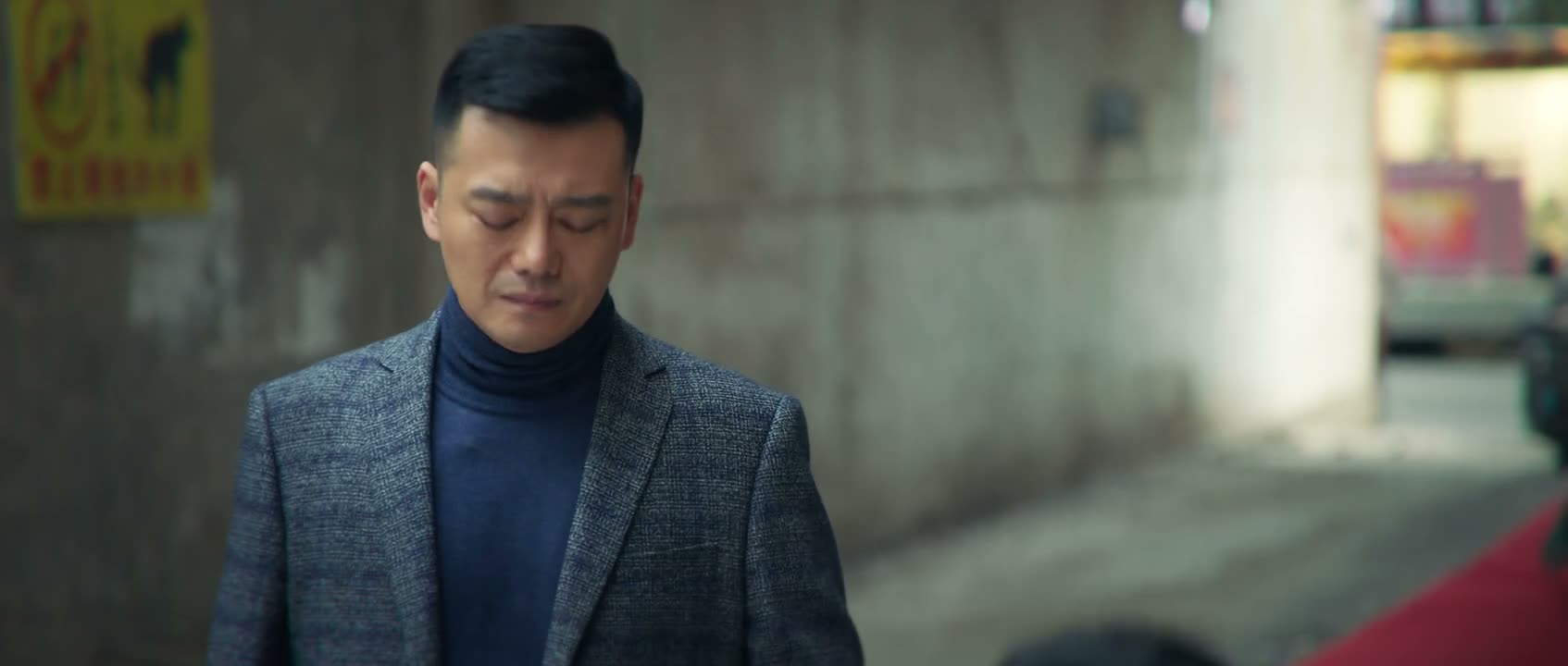
“I was wrong. I'm sorry.”

“I'm sorry. I'm sorry, Mr. Ma. I really messed up. Please forgive me.”

“I was wrong. It's me who hurt you.”