真错了 我们真错了 真是误会 对不起啊
“We were wrong. We were really wrong. It was a misunderstanding. Sorry.”
THE DIALOGUE REEL
马科
“Ma Ke.”
真错了 我们 真错了 真是误会 对不起啊
“We were wrong. We were really wrong. It was a misunderstanding. Sorry.”
所以你的意思是说
“So you're saying”
“Please don't be mad, we didn't mean any harm, let's just drop this!”
In Chinese conflict resolution, categorizing a major blunder as a 'misunderstanding' (误会) provides a polite exit ramp for both parties to de-escalate without malicious intent being assumed.
LEARNING CHUNKS & PARTICLES
truly at fault; we were really wrong
Used in spoken apologies to convey genuine admission of guilt or urgent deference.
it is truly a misunderstanding
A common face-saving formula used to soften a severe offense into an unintended mix-up.
Softens the urgent apology and pleads for sympathy or forgiveness.
Marks the completed realization or state of being at fault.
VOCABULARY & EXPRESSIONS
Parallel Spoken Cinema Scenes (语义近邻切片)
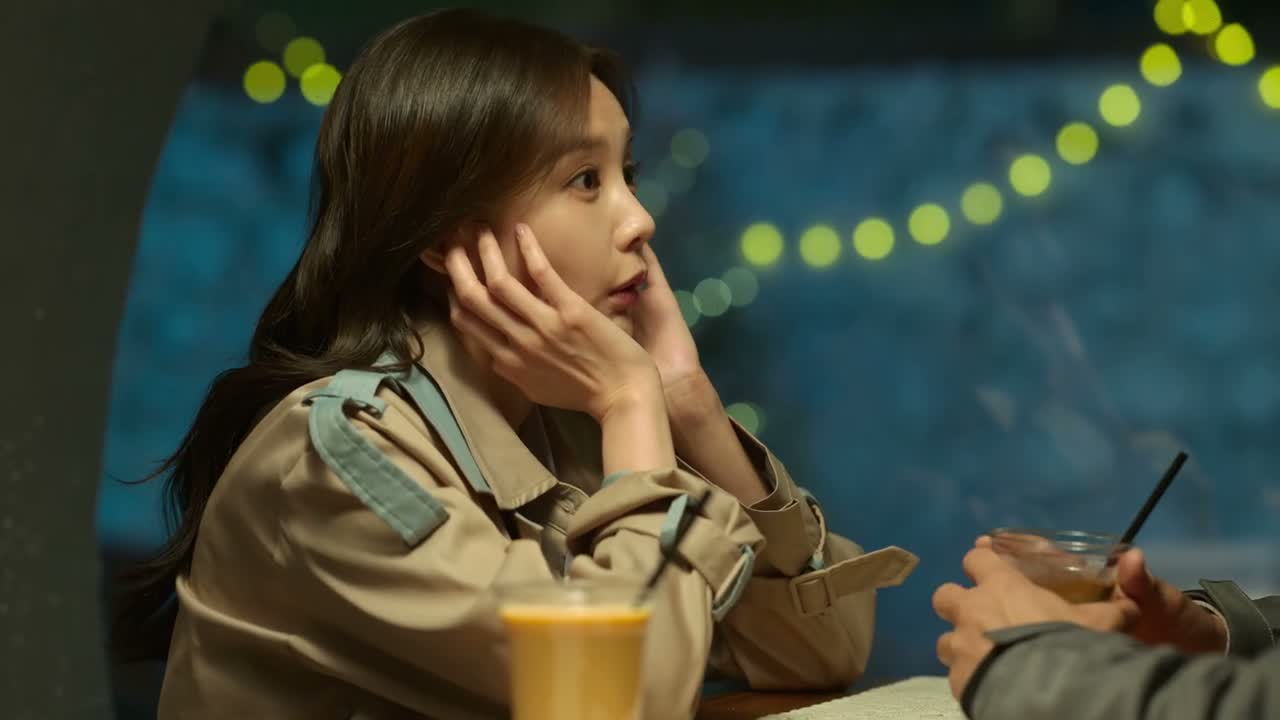
“I was wrong. My bad.”
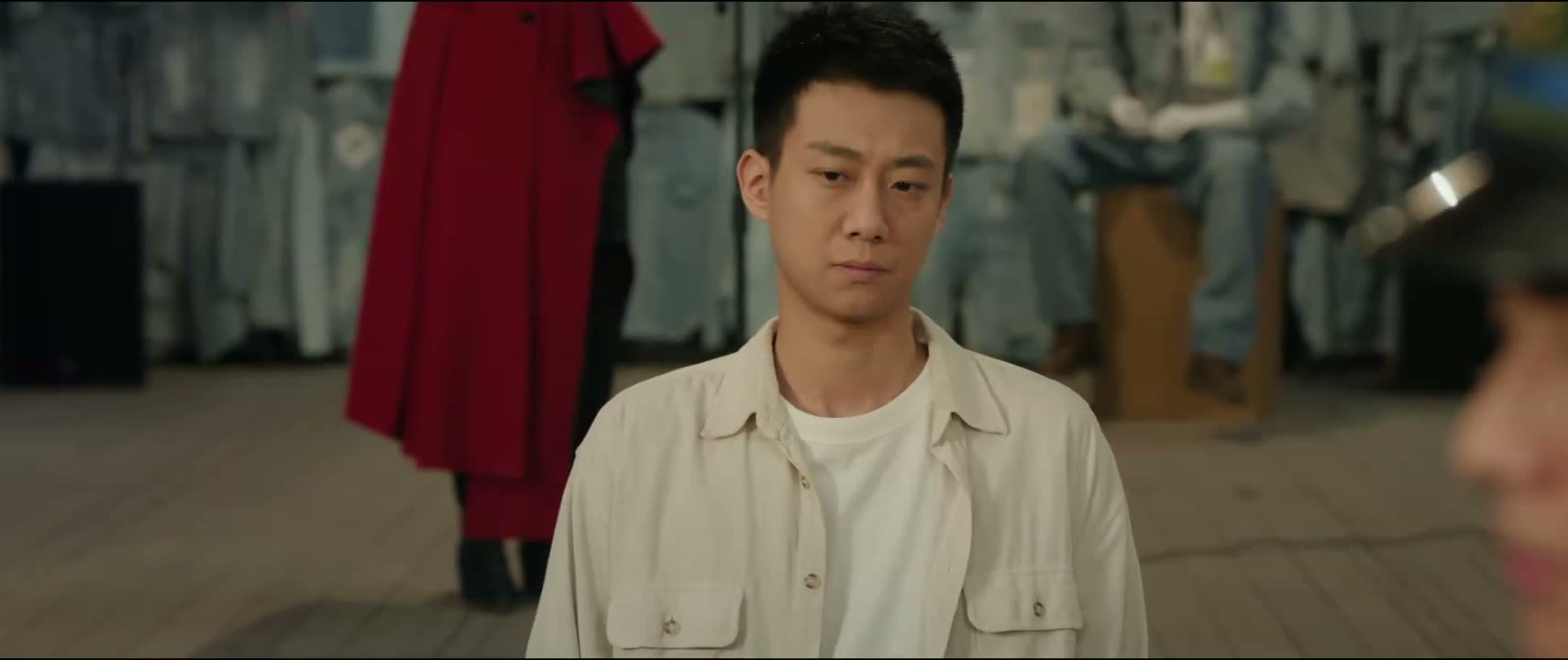
“I'm so sorry! Sorry!”

“I was wrong. I was wrong. I'm sorry. I'm sorry.”
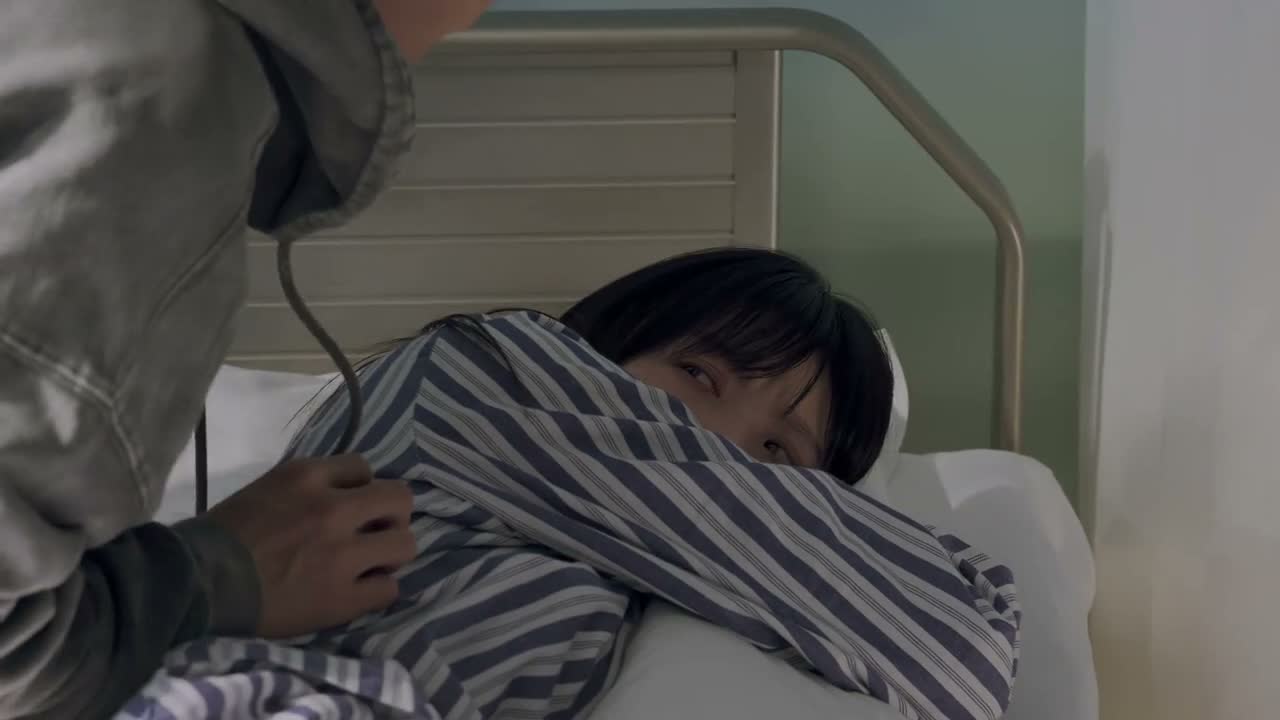
“I'm so sorry.”
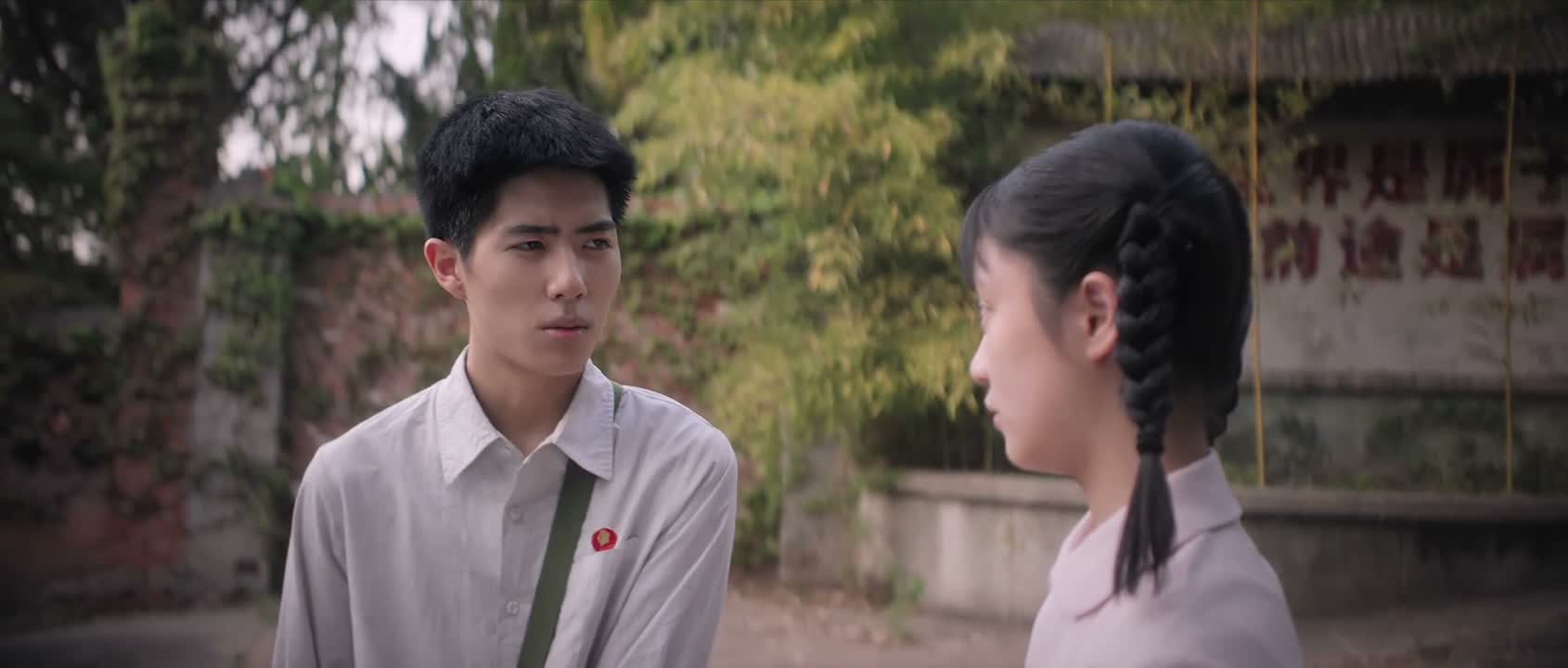
“It's my fault. I'm sorry.”
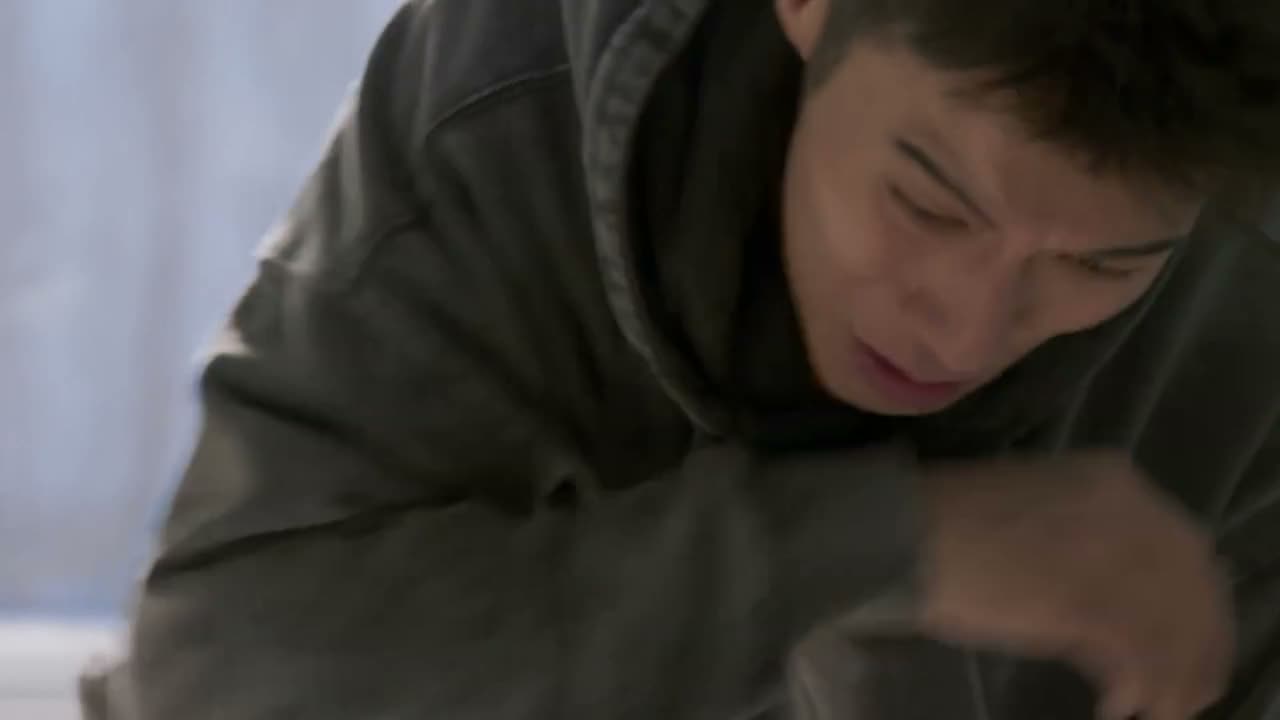
“I messed up. I was so worried.”