对不起 我真错了
“I'm so sorry.”
THE DIALOGUE REEL
对不起 我真错了
“I'm so sorry.”
真错了
“I'm so sorry.”
Direct spoken expression in this communicative setting.
Explicitly owning up to fault with intense sincerity is essential in intimate Chinese relationships to prevent emotional rifts from widening.
LEARNING CHUNKS & PARTICLES
I'm sorry / pardon me
The standard explicit apology used when acknowledging significant fault or regret.
truly made a mistake / truly in the wrong
Used in spoken Chinese to emphasize total and sincere admission of error.
Indicates a completed change of state, cementing the admission that an error occurred.
VOCABULARY & EXPRESSIONS
Parallel Spoken Cinema Scenes (语义近邻切片)
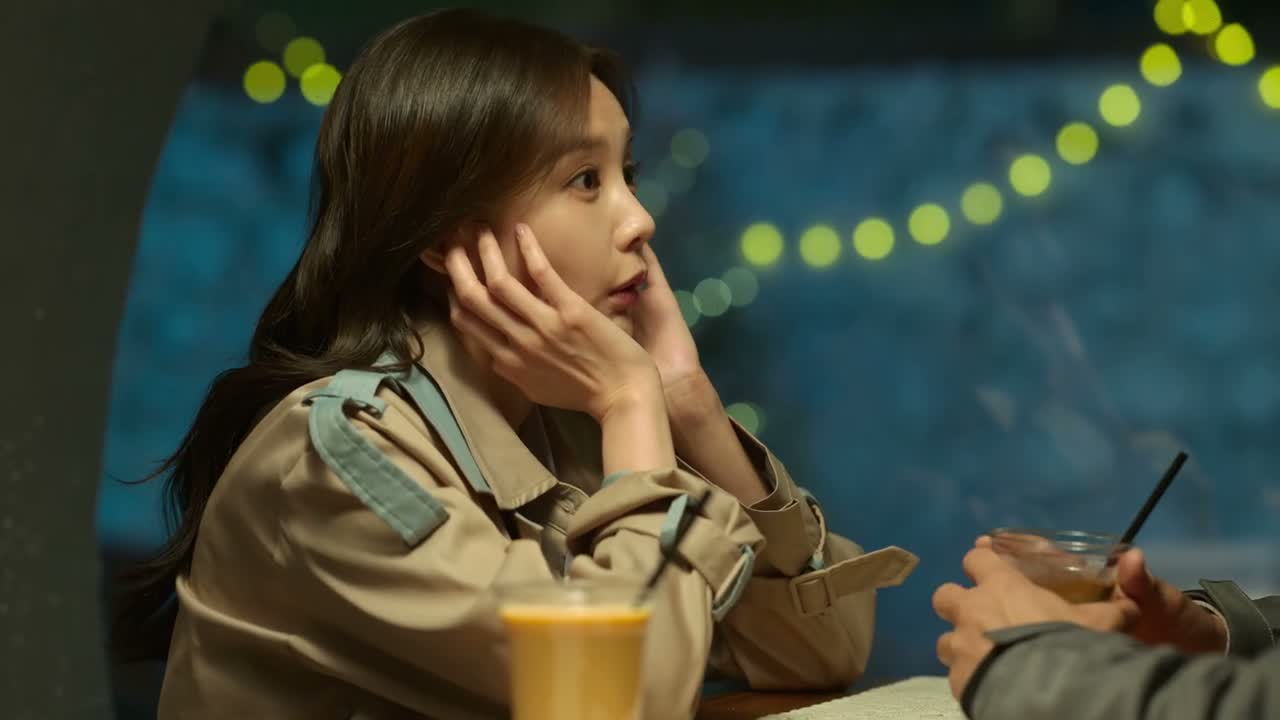
“I was wrong. My bad.”
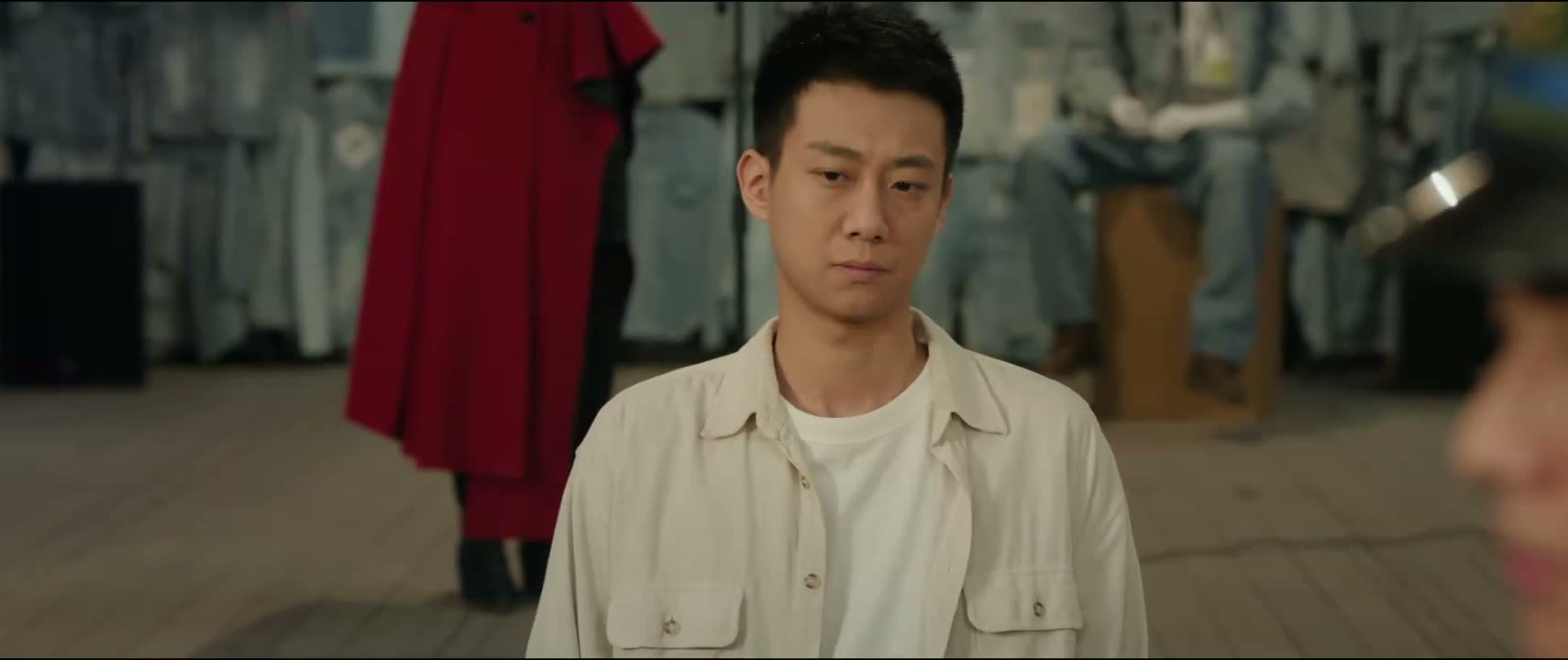
“I'm so sorry! Sorry!”
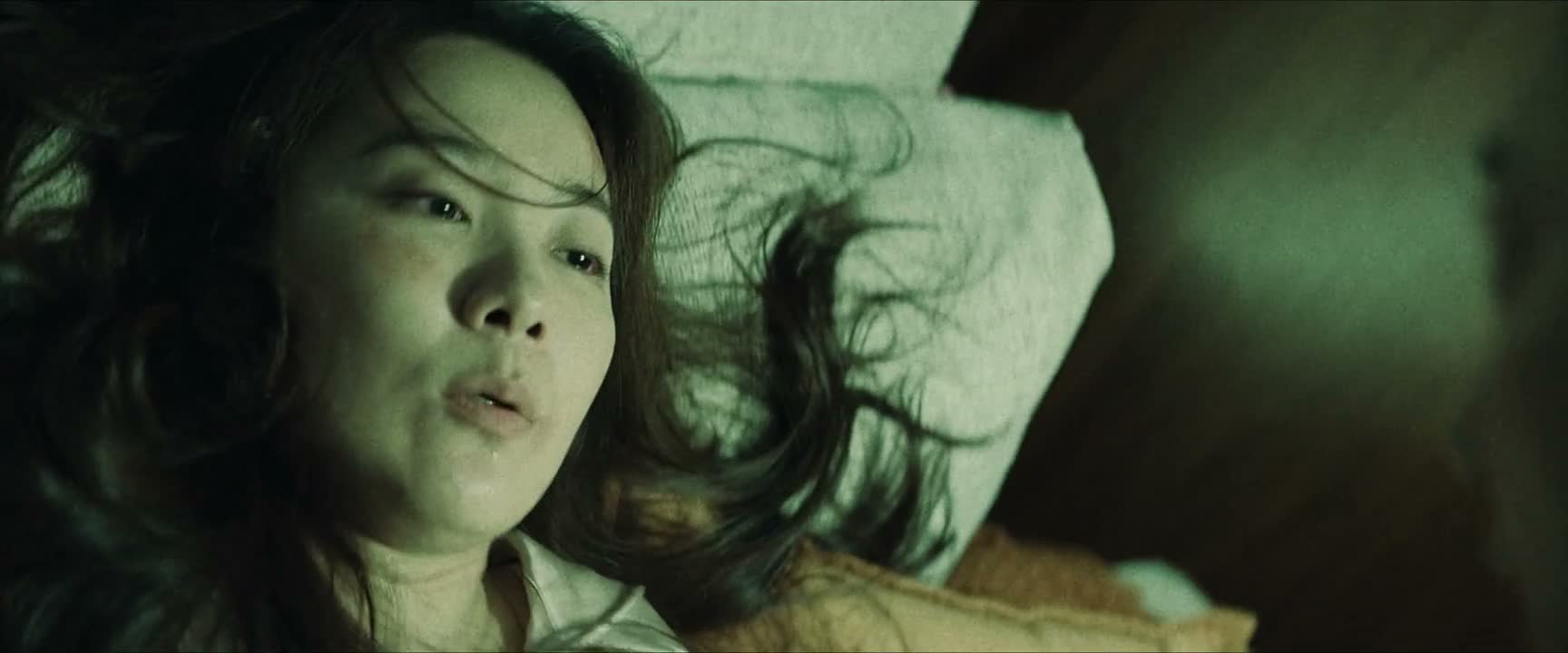
“I'm sorry. I was wrong. You think that's enough?”

“Sorry, it's my fault.”

“We were wrong. We were really wrong. It was a misunderstanding. Sorry.”

“Sorry. I misspoke. I didn't mean that.”