对不起 我错了 我错了 错了就完了
“I'm sorry. I was wrong. You think that's enough?”
THE DIALOGUE REEL
不要
“No.”
对不起 我错了 我错了 错了就完了
“I'm sorry. I was wrong. You think that's enough?”
“I put a roof over your head, and you despise me?”
“Fine, I admit it's my fault, okay? Happy now? Are you satisfied?”
A vulgar self-reference in Chinese originally meaning 'father'. In verbal conflicts, it is often used to assert authority, dominance, and seniority over the other party, carrying a strong offensive and aggressive tone.
In Chinese family conflicts, financial providers or elders frequently invoke 'providing food and drink' as proof of absolute sacrifice, using it to suppress the other person's emotional needs or independent will.
LEARNING CHUNKS & PARTICLES
to just leave it at that; to settle something simply by doing...
A high-frequency colloquial pattern often used perfunctorily to dismiss an issue, or in rhetorical questions to challenge whether doing something is sufficient, such as 'dao ge qian jiu wan le?' (is a simple apology going to settle this?).
to provide someone with food and drink; to cover all of someone's living expenses
Frequently used by elders or financial providers during family conflicts to emphasize their sacrifices and moral superiority, carrying a strong tone of emotional guilt-tripping and suppression.
Indicates completion or finality of an action or hypothetical situation, conveying a perfunctory, reckless, and exasperated resignation here.
VOCABULARY & EXPRESSIONS
Parallel Spoken Cinema Scenes (语义近邻切片)

“I was wrong. My bad.”

“I'm so sorry! Sorry!”

“I was wrong. I was wrong. I'm sorry. I'm sorry.”

“I'm a bastard. I... I'm sorry to her.”

“I'm so sorry.”

“Sorry, it's my fault.”

“It's my fault. I'm sorry.”

“Sorry. I misspoke. I didn't mean that.”
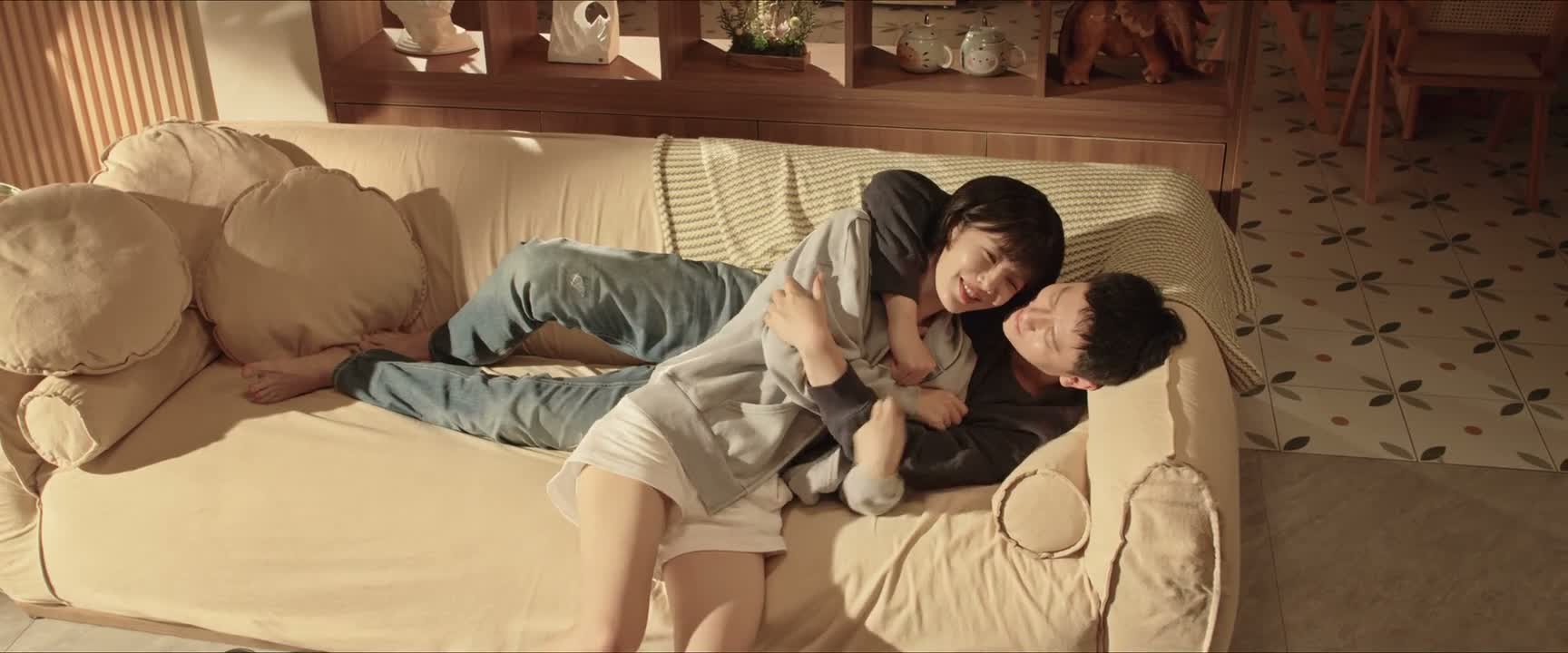
“Sorry. I did wrong. Did you choke?”

“Don't! I'm sorry. -I've made a mistake. -A mistake? I'm sorry. It's too late.”

“Fine. I'll stop. I was wrong. I'm sorry.”