MC
MandarinClips Cinema Corpus
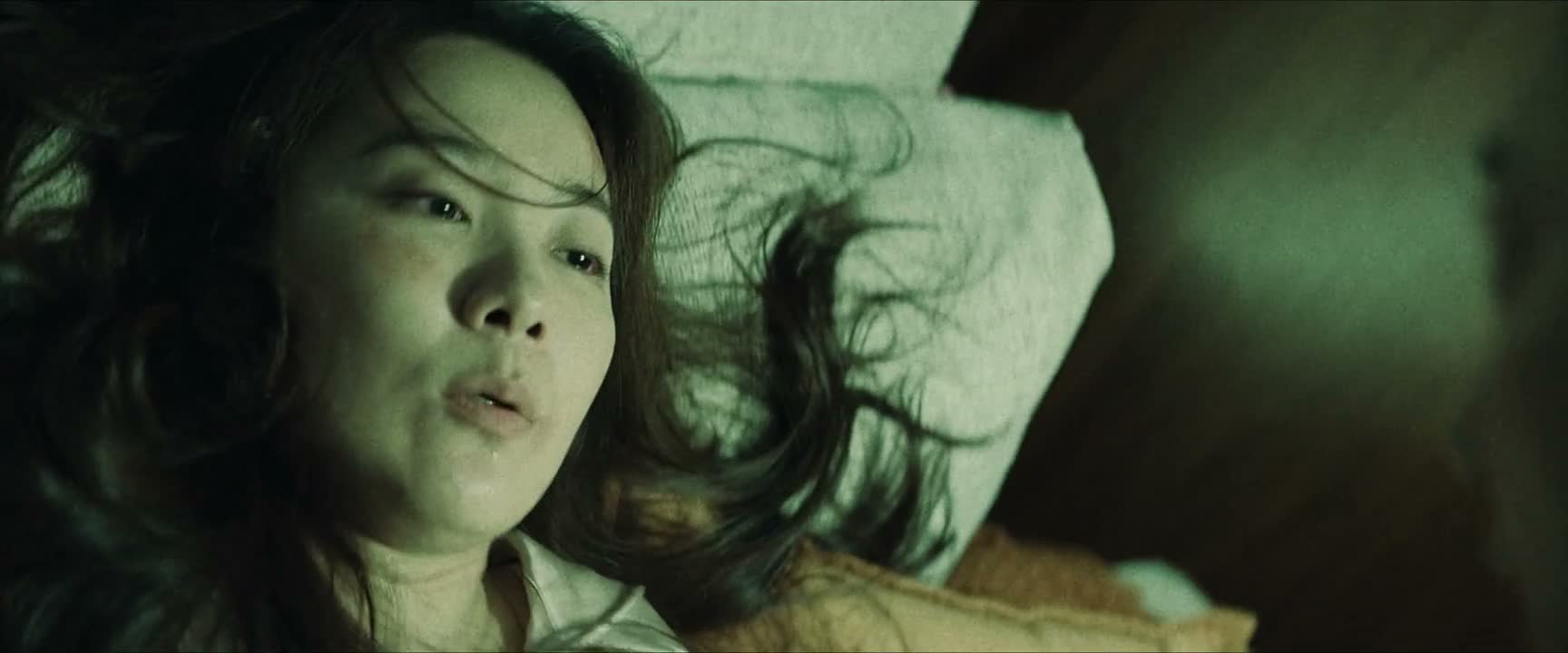
《The Knockout》 S1·E39 (11:03) HSK 4
bú yào wǒ cuò le wǒ cuò le nǐ cuò le cuò le lái bù jí le

不要 我错了 我错了 你错了 错了 来不及了

“Don't! I'm sorry. -I've made a mistake. -A mistake? I'm sorry. It's too late.”

《The Knockout》 S1·E39
TIMECODE: 11:03 · 1080P MASTER AUDIO

THE DIALOGUE REEL

1+1+1 SPOKEN CONTINUITY
[-1] PREVIOUS TURN yào me jiù tā tiào xià qù

要么就她跳下去

“The other is to let her jump.”

bú yào wǒ cuò le wǒ cuò le nǐ cuò le cuò le lái bù jí le CURRENT FOCUS

不要 我错了 我错了 你错了 错了 来不及了

“Don't! I'm sorry. -I've made a mistake. -A mistake? I'm sorry. It's too late.”

[+1] FOLLOW-UP TURN nǐ tiào bù tiào

你跳不跳

“Are you going to jump?”

Subtitles synced to millisecond timecode Browse Show Clips →
Scene: Crisis & Conflict
Function: PLEADING FOR MERCY
Tone: FRANTIC
Emotion: FEAR
WHAT THEY REALLY MEAN (PRAGMATIC SUBTEXT)

Direct spoken expression in this communicative setting.

💡 Cultural Insight: Admitting Fault under Duress

Repetitive verbal apologies in extreme distress reflect a desperate attempt to defuse imminent lethal danger and appease an aggressor.

INTENT TAGS: #pleading #begging #desperation #surrender
🧩

LEARNING CHUNKS & PARTICLES

2 CHUNKS · 1 PARTICLES
我错了 SPOKEN CHUNK

I was wrong / I admit my mistake

Common expression of apology, used here repeatedly in a panic-stricken state to beg for leniency.

来不及了 SPOKEN CHUNK

it is too late / there is no time left

Used to express that an outcome can no longer be reversed due to lack of time.

Modal Particle「了」 (le) CHANGE OF STATE

Indicates a change of state and completion, emphasizing the finality of the mistake and the irreversible crisis.

🏮

VOCABULARY & EXPRESSIONS

4 EXPR · 0 GRAMMAR
CROSS-CINEMA CORPUS BOARD · PARALLEL SCENES

Parallel Spoken Cinema Scenes (语义近邻切片)

EXPLORE BY SEMANTIC SIMILARITY
《The Knockout》 S1·E39 (11:03) · Authentic Cinema Dialogue Corpus