我错了 谁帅 对不起对不起 谁帅
“♪ Finally, being able to embrace ♪ I was wrong! Me or the outfit? Sorry, sorry. ♪ The dawn ♪ Me or the outfit?”
THE DIALOGUE REEL
衣服很好看 谁帅 衣服帅 衣服帅
“♪ A desolate, silent place ♪ This outfit looks great! Me or the outfit? The outfit! The outfit!”
我错了 谁帅 对不起对不起 谁帅
“♪ Finally, being able to embrace ♪ I was wrong! Me or the outfit? Sorry, sorry. ♪ The dawn ♪ Me or the outfit?”
蒋诚
“♪ After running for so long ♪ Jiang Cheng.”
“Admit it, you know I'm the handsome one here!”
In Chinese couples' banter, offering a swift, exaggerated 'I was wrong' (我错了) is a common trope to show affection and yield conversational ground playfully.
LEARNING CHUNKS & PARTICLES
my bad; I was wrong
Extremely frequent in couples' arguments or banter to de-escalate tension playfully or sincerely.
sorry; excuse me
Standard apology phrase, repeated rapidly here to signify mock humility.
VOCABULARY & EXPRESSIONS
Parallel Spoken Cinema Scenes (语义近邻切片)

“I was wrong. I was wrong. I'm sorry. I'm sorry.”

“It's my fault. I'm sorry.”
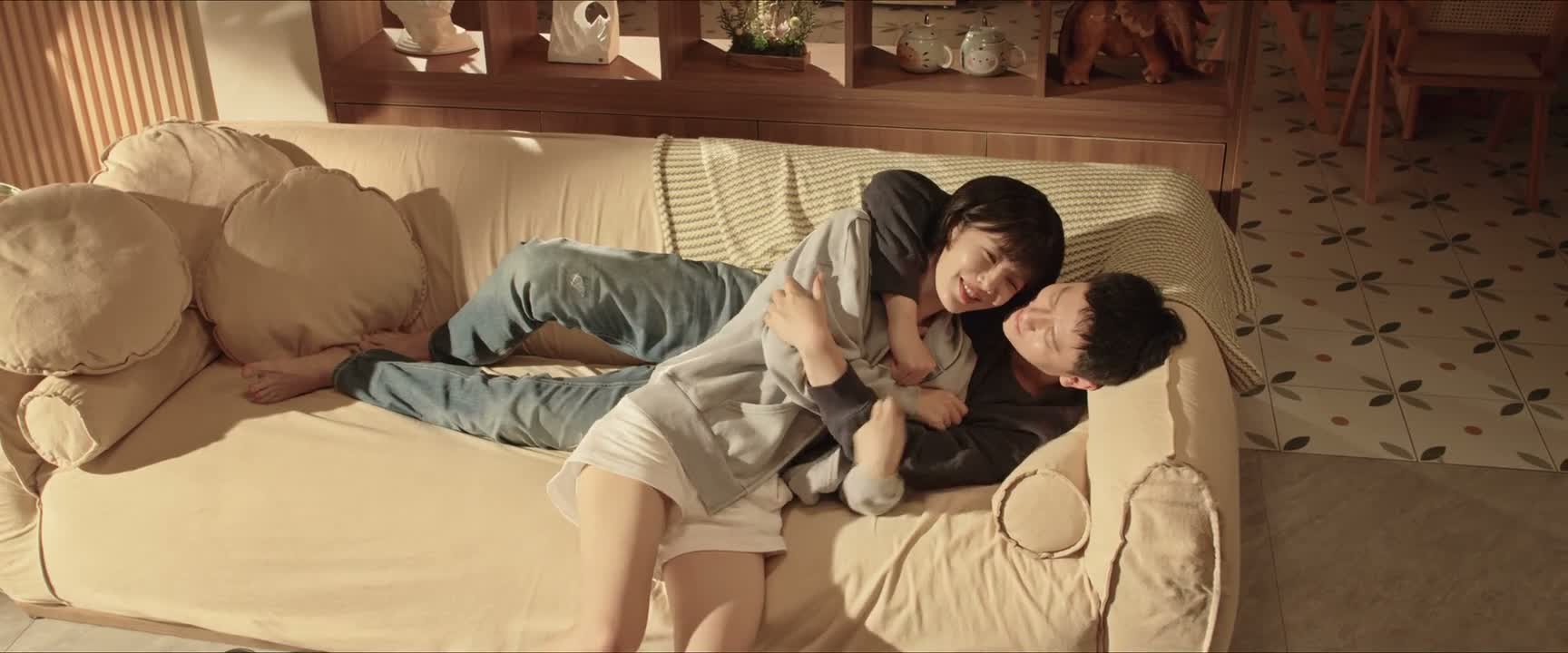
“Sorry. I did wrong. Did you choke?”
“I was wrong. It's me who hurt you.”

“I was wrong. My bad.”

“I'm so sorry! Sorry!”