我错了 是我不好
“My mistake. I'm sorry.”
THE DIALOGUE REEL
哪有
“Of course I do.”
我错了 是我不好
“My mistake. I'm sorry.”
我以后不这么问了
“I won't ask things like that again,”
“I'm sorry, let's stop arguing—I take full responsibility.”
In Chinese interpersonal and romantic dynamics, voluntarily saying '是我不好' is often a deliberate gesture to de-escalate emotional friction rather than an analytical admission of severe guilt.
LEARNING CHUNKS & PARTICLES
I was wrong / My bad
A direct and common way to admit fault or yield in an intimate or informal disagreement.
It's my fault / I am to blame
Frequently used in intimate relationships to soften a situation by taking personal accountability.
VOCABULARY & EXPRESSIONS
Parallel Spoken Cinema Scenes (语义近邻切片)

“It's my fault. I'm sorry.”
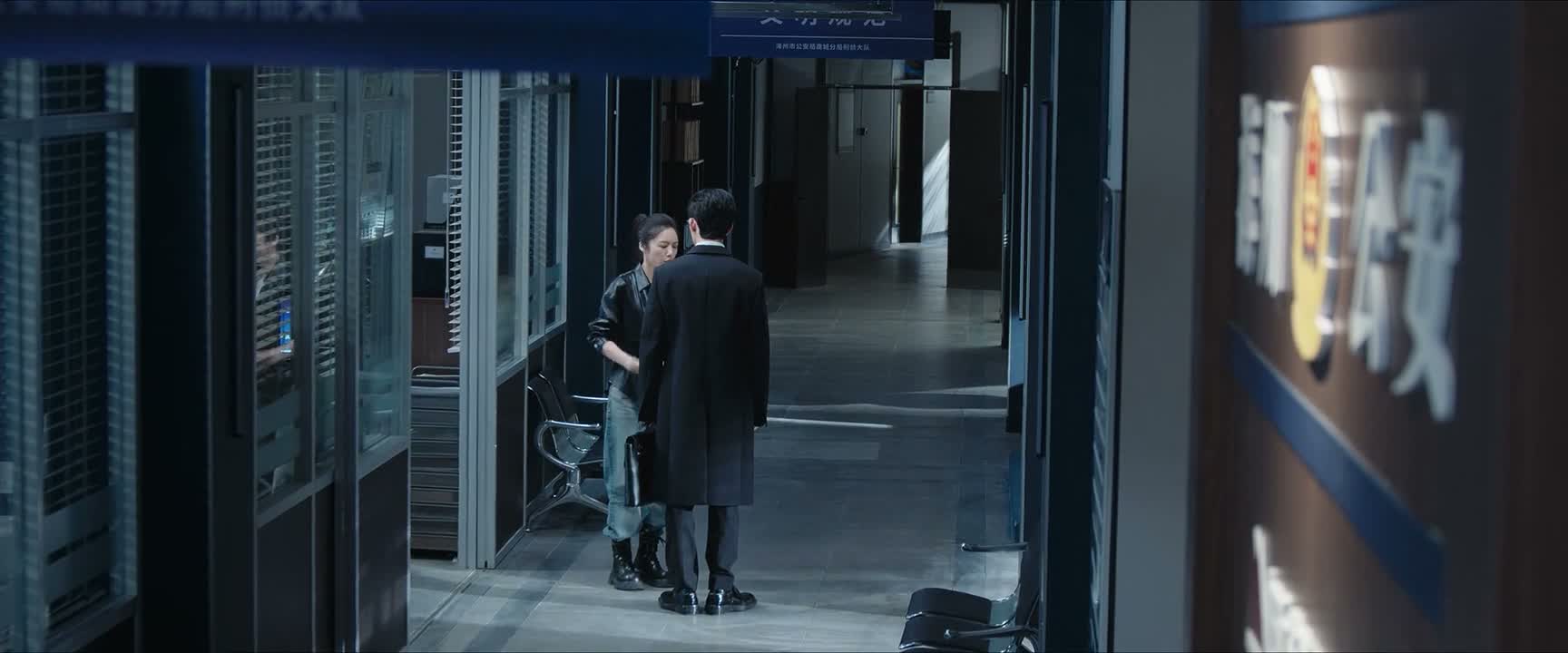
“It's indeed my fault. I'm sorry.”

“Sorry, it's my fault.”

“I was wrong. My bad.”

“I'm so sorry! Sorry!”
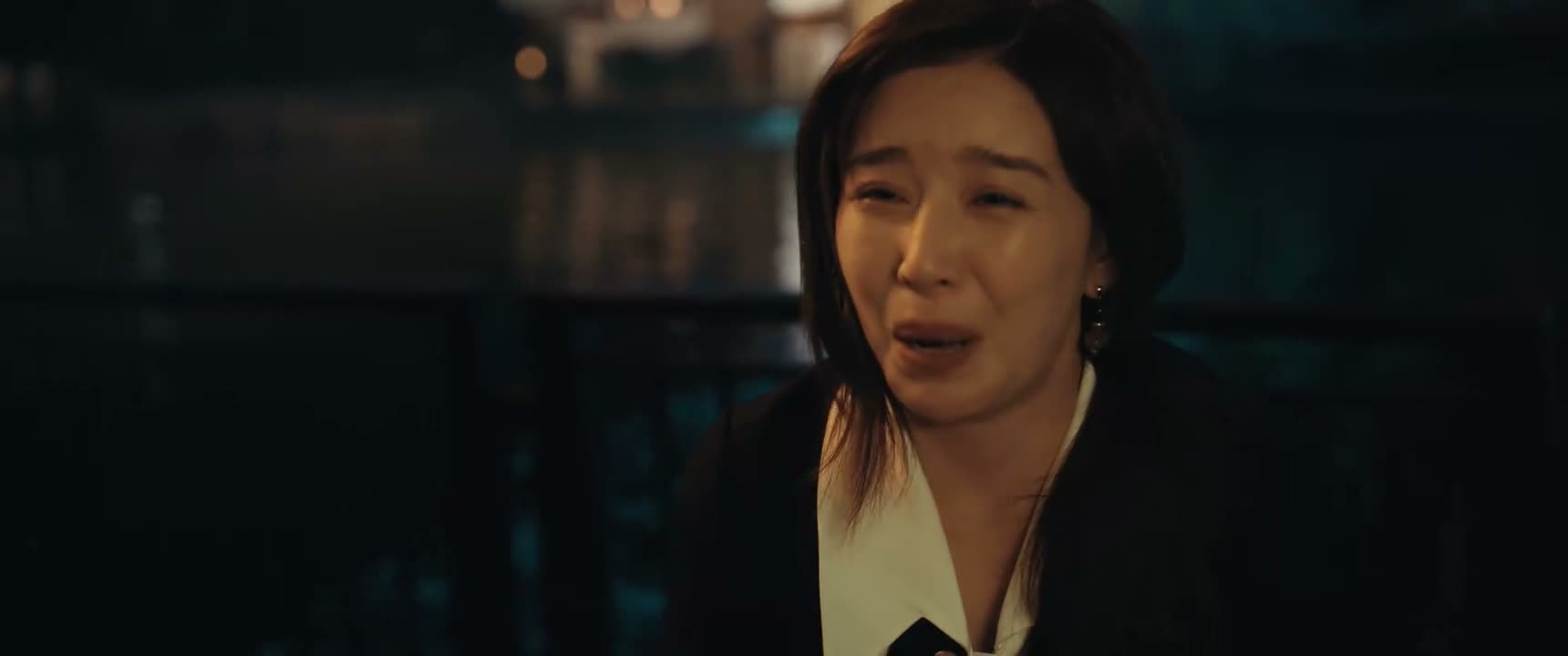
“Am I wrong? Of course.”