是我不好
shì wǒ bù hǎoCommon spoken expression used by native Chinese speakers in daily life.
[Scene: 社交聚会]
(8 clips) 00:03
 00:02
 00:02
 00:02
 00:03
(听明白了吗) ── Previous context
“Don't be sad. It was my fault just now. I shouldn't have said that.”
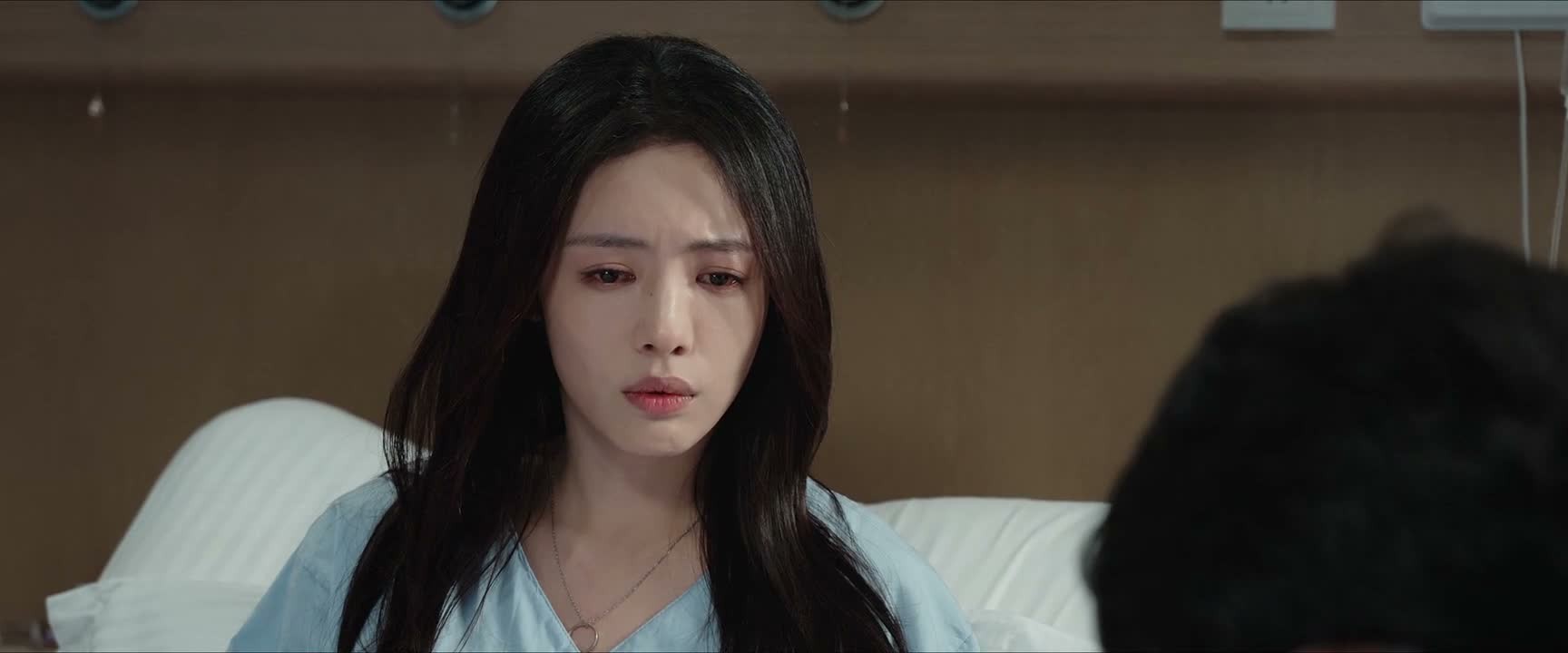 00:02
 00:03
(对不起) ── Previous context
“I really am so sorry. It's all my fault. You should know”
 00:02
(不敢正视自己的心) ── Previous context
“♪ Briefly, beyond the clamor ♪ On that New Year's Day, ♪ Carefully drawing close to you ♪ it was my fault.”
[Scene: 家庭日常]
(6 clips) 00:03
(合着 你就给我一个人写了) ── Previous context
“It's my fault, big sister. should have told you.”
 00:03
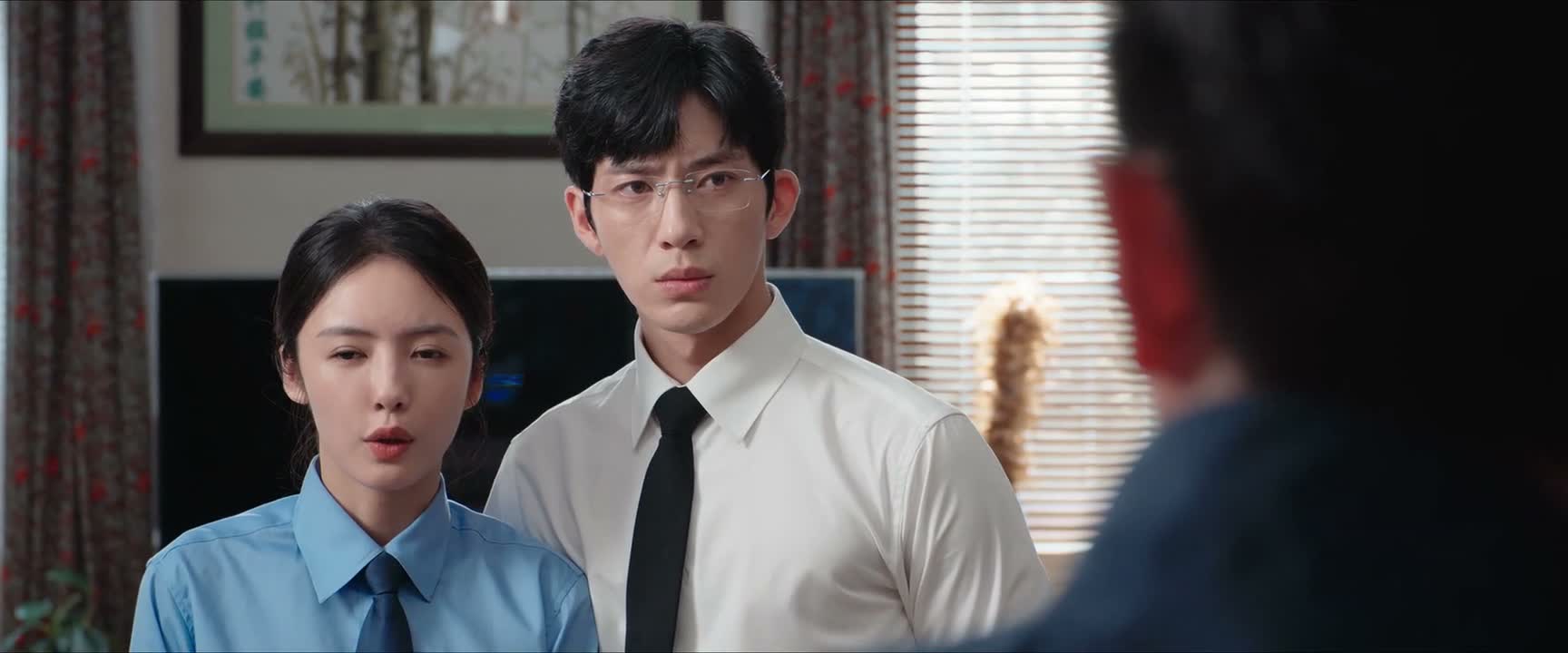 00:02
 00:02
 00:02
 00:03
[Scene: 其他场景]
(1 clips) 00:03
[Scene: 其他场景]
(1 clips) 00:02
[Scene: 历史宫廷]
(1 clips) 00:02
(若真是好运来 又岂会找不到百灵草呢) ── Previous context
“Fan Yun, it's all my fault. ♪ All our fates were long inscribed ♪”
📌 别生气了
→Nuance: 同为安抚道歉,增加了保证承诺
📌 别生气了
→Nuance: 同为道歉求和,意图一致可互换
📌 不说了
→Nuance: 真诚认错的替代表达
📌 没事
→Nuance: 共享核心口语谓词: [对不起]
📌 对不起
→Nuance: 认错道歉意图完全一致
📌 小心
→Nuance: 关照长辈身体的劝慰变体
📌 惹事
→Nuance: 同为安抚道歉,增加了保证承诺
📌 姐
→Nuance: 核心交际意图皆为主动认错
📌 去哪了
→Nuance: 共享核心口语谓词: [对不起]