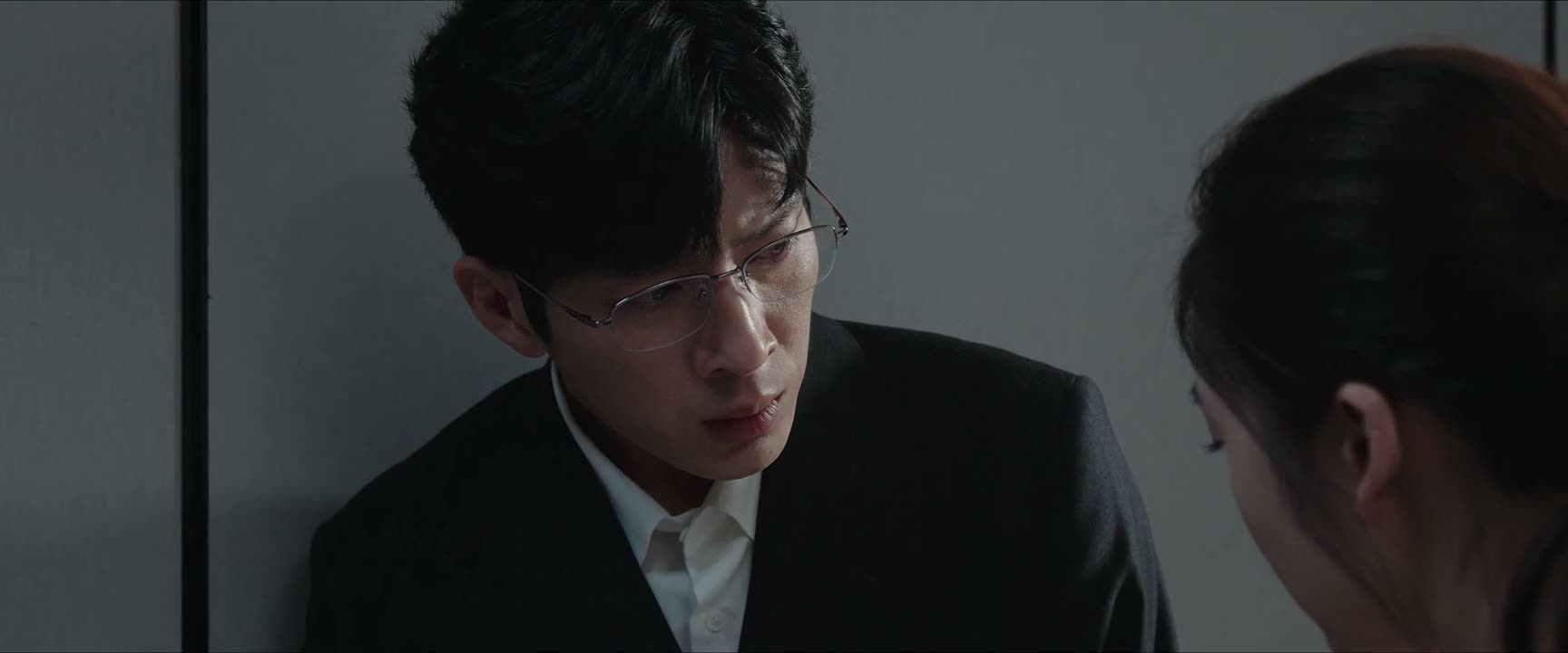
之前是我不好 话说太重了
“It was my fault. I was too harsh on you.”
THE DIALOGUE REEL
我要跟你道个歉
“I owe you an apology.”
之前 是我不好 话说 太 重 了
“It was my fault. I was too harsh on you.”
“If I had put myself in your shoes,”
“I really regret how harsh I was with you; I want to take the blame and fix things between us.”
Chinese culture places high value on interpersonal harmony and 'mianzi' (face). After a dispute, proactively admitting 'shi wo bu hao' (it's my fault) uses self-effacement to preserve the other person's face and defuse conflict.
LEARNING CHUNKS & PARTICLES
it is my fault; I am to blame
A very high-frequency spoken pattern for admitting fault and apologizing, sounding more sincere and warmer than a rigid 'dui bu qi'.
words were too harsh, hurtful, or excessive
Used to reflect on or criticize hurtful language, often combined with degree adverbs like 'tai' (too) or 'you dian' (a bit).
Indicates that a situation has already occurred with an ongoing impact, conveying a reflective tone of self-reproach and exclamation.
VOCABULARY & EXPRESSIONS
Parallel Spoken Cinema Scenes (语义近邻切片)
“I had a bad attitude just now.”

“I was wrong before.”

“It's all my fault. It's all my fault.”

“Back then, I was weak. I was wrong.”