以前是我懦弱 是我不好
“Back then, I was weak. I was wrong.”
THE DIALOGUE REEL
我知道 你怨我 恨我
“I know you resent me and hate me.”
以前 是我 懦弱 是我不好
“Back then, I was weak. I was wrong.”
但现在不一样了 田家 我 都不一样了
“But things are different now. My family, I— everything has changed.”
“I know I failed you before, but please give me a second chance.”
Directly acknowledging one's moral weakness and offering face to the injured party is essential for repairing deeply damaged personal relationships in Chinese interpersonal ethics.
LEARNING CHUNKS & PARTICLES
cowardly; weak-willed
Used to describe a lack of courage or spine when facing tough decisions or conflicts.
it is my fault; I was in the wrong
A humble, direct way to shoulder blame during a personal apology.
VOCABULARY & EXPRESSIONS
Parallel Spoken Cinema Scenes (语义近邻切片)
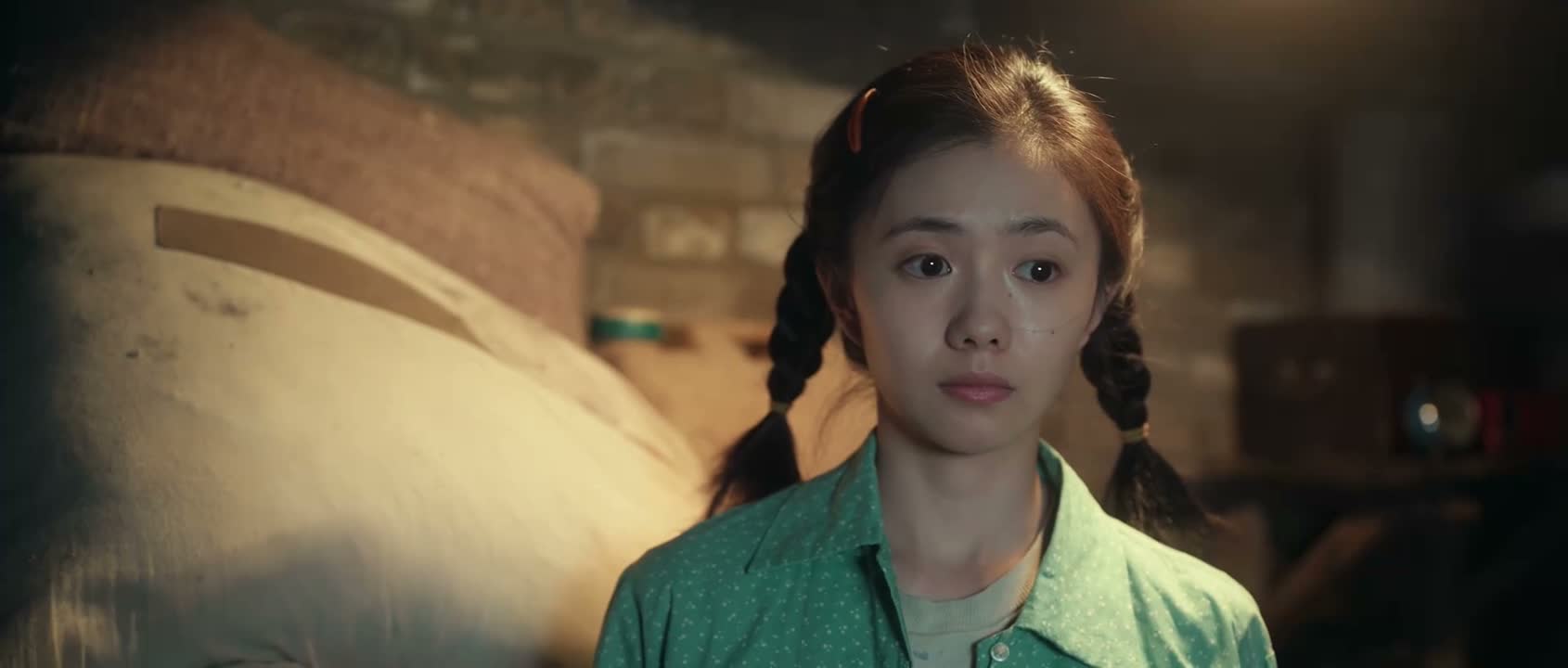
“I was wrong before.”

“be so weak anymore. Not only are you suffering, but Xiaolan is suffering too.”

“He's actually very fragile inside. You can irresponsibly egg him on,”

“and you can blame me for being weak and incompetent.”

“If it weren't for your own weakness and incompetence,”

“It was my fault. I was too harsh on you.”