过年那天 是我不好
“♪ Briefly, beyond the clamor ♪ On that New Year's Day, ♪ Carefully drawing close to you ♪ it was my fault.”
THE DIALOGUE REEL
不敢正视自己的心
“afraid to face my own feelings.”
过年 那天 是我不好
“♪ Briefly, beyond the clamor ♪ On that New Year's Day, ♪ Carefully drawing close to you ♪ it was my fault.”
“♪ Clinging to that trace of unknown joy ♪ Not showing up to move out, that was my fault, too.”
“I know I hurt you by being absent, and I genuinely regret pulling away.”
In Chinese culture, failing to show up or behave properly during Chinese New Year carries heavy emotional weight because family and significant others place immense value on togetherness.
LEARNING CHUNKS & PARTICLES
it was my fault / my bad
A very natural, soft, and personal way to admit fault in close interpersonal relationships without sounding overly legalistic.
on the day of Chinese New Year
Common temporal frame used in casual conversation to refer to specific festive events.
VOCABULARY & EXPRESSIONS
Parallel Spoken Cinema Scenes (语义近邻切片)

“On New Year's Eve, Mrs. Xiao literally hustled around for nothing.”

“-Happy New Year! -Happy New Year! -Happy New Year! -Happy New Year!”
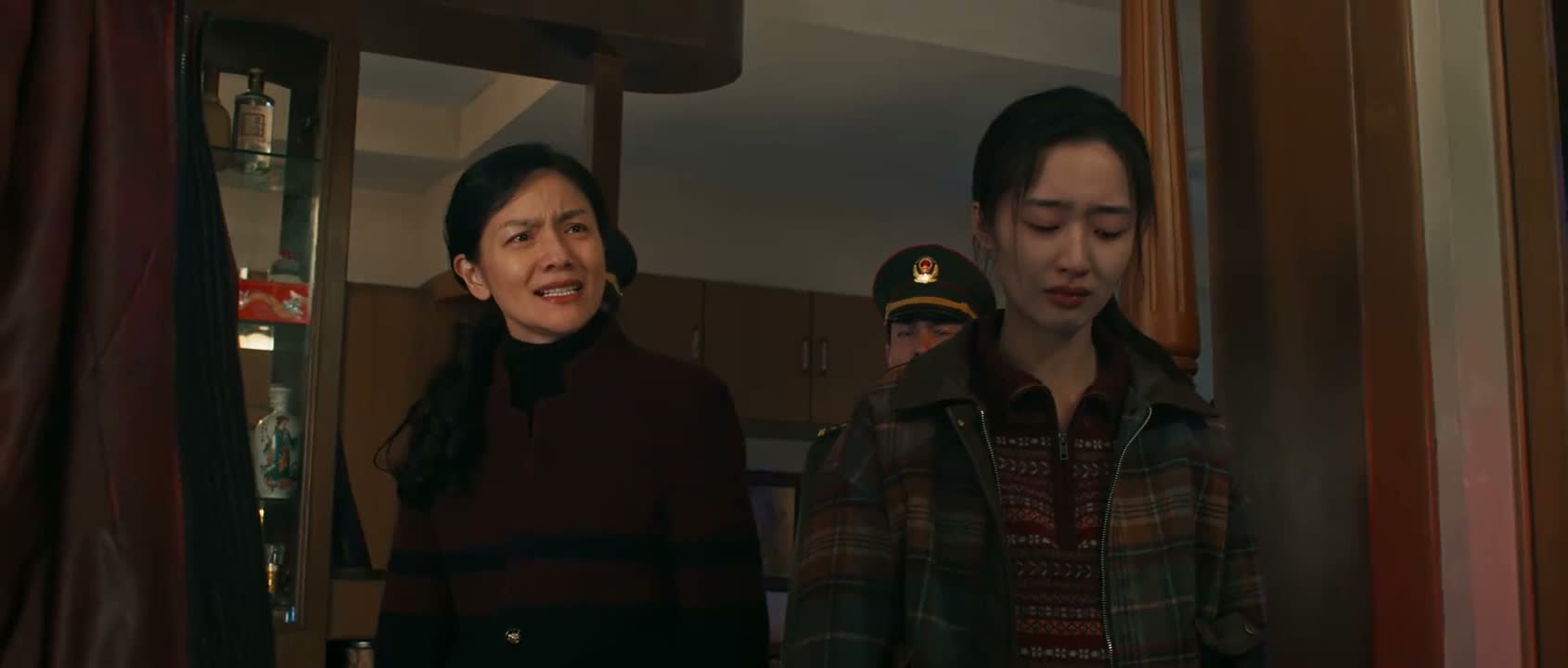
“Today is the Chinese New Year!”

“Or why would anyone throw a temper tantrum during the New Year holiday?”

“On the birthday, I told Bowen”

“how about spending the New Year at my place?”