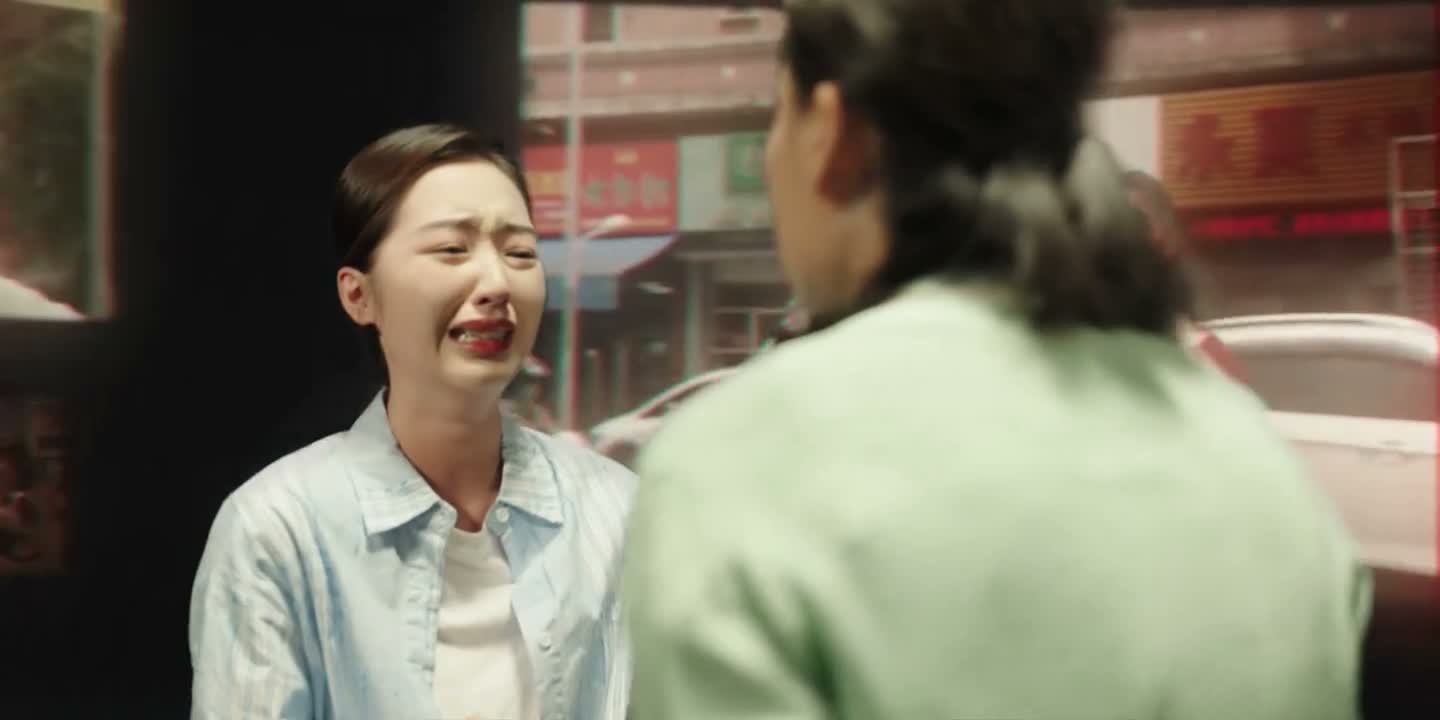
都怪我 是我不好
“It's my fault. My apologies.”
THE DIALOGUE REEL
出什么事了
“Has something happened?”
都怪我 是我不好
“It's my fault. My apologies.”
“I originally wanted to help out.”
Direct spoken expression in this communicative setting.
In Chinese relational settings, immediately shouldering the blame ('都怪我') diffuses tension and prevents elders or peers from losing face or feeling criticized.
LEARNING CHUNKS & PARTICLES
it's all my fault
A very natural, high-frequency spoken formula used to shoulder the blame and soften awkward domestic or social situations.
it's my fault / I am to blame
Commonly paired with '都怪我' to reinforce sincerity when offering a humble apology.
VOCABULARY & EXPRESSIONS
Parallel Spoken Cinema Scenes (语义近邻切片)

“It's all my fault. I'm sorry.”

“Well. It's my fault.”

“Sorry, I've been too busy. I should have gone to Pingchuan to see you much sooner.”

“It's all my fault. I let my guard down.”
“It's all because I got sick”

“It's all my fault. That was plain nonsense. - No. - Don't take it to heart.”

“It's my fault too, a man with no money or future.”