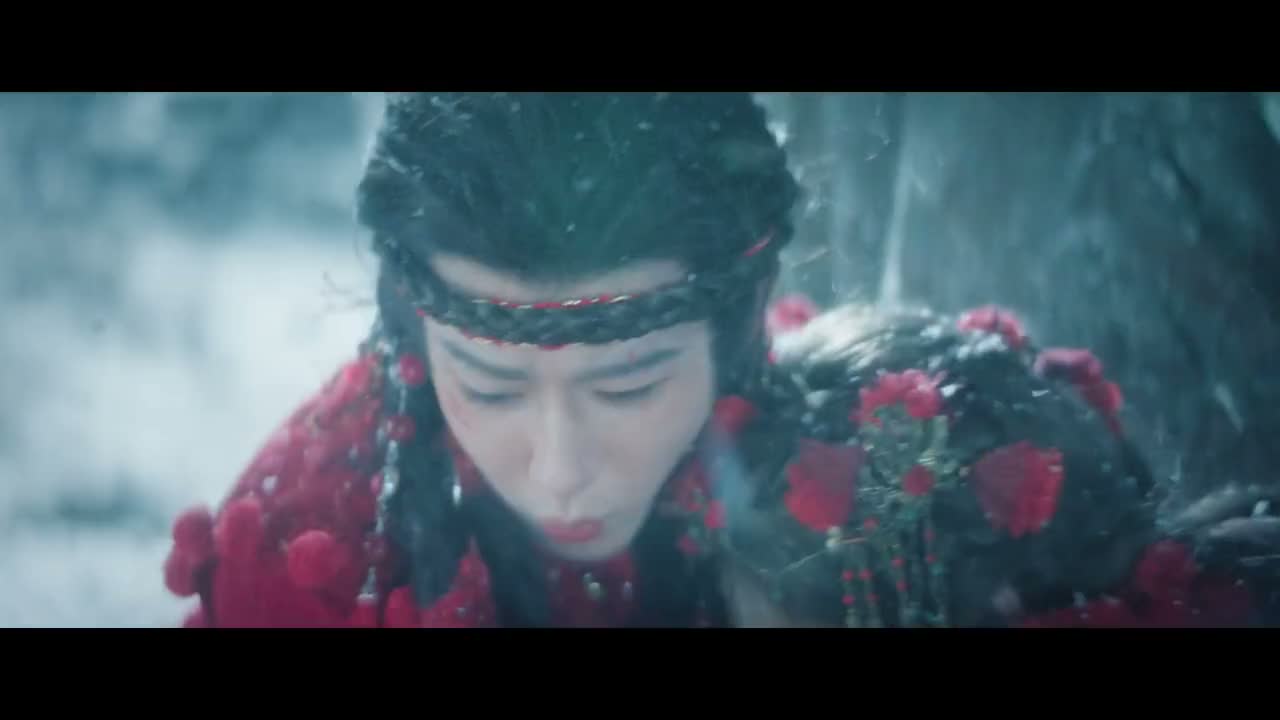
都怪我都怪我 是我乱说话了 不 你可别往心里去
“It's all my fault. That was plain nonsense. - No. - Don't take it to heart.”
THE DIALOGUE REEL
“I only realized it when Fei Ting said so.”
都怪我 都怪我 是我 乱说话 了 不 你 可别 往心里去
“It's all my fault. That was plain nonsense. - No. - Don't take it to heart.”
“- Don't overthink it. - How could it be your fault? The expectations of your parents are already low enough.”
“Please do not overthink what I just blurted out; I really did not mean to hurt your feelings.”
In Chinese interpersonal communication, exaggerating one's own fault by repeating '都怪我' helps lower interpersonal tension and restore emotional harmony.
LEARNING CHUNKS & PARTICLES
it is all my fault / blame me
A very common conversational self-blame formula used to defuse tension quickly.
speak carelessly / blurt out something inappropriate
Used to admit having spoken without thinking or touching on an uncomfortable topic.
take to heart / dwell on something emotionally
Frequently used with '别' (don't) to comfort someone and urge them not to be offended.
Indicates the realized state of having spoken carelessly.
VOCABULARY & EXPRESSIONS
Parallel Spoken Cinema Scenes (语义近邻切片)

“It's my fault. If I hadn't said anything, she wouldn't have gotten angry.”
“It's all my fault. I'm sorry.”

“It's my fault. My apologies.”