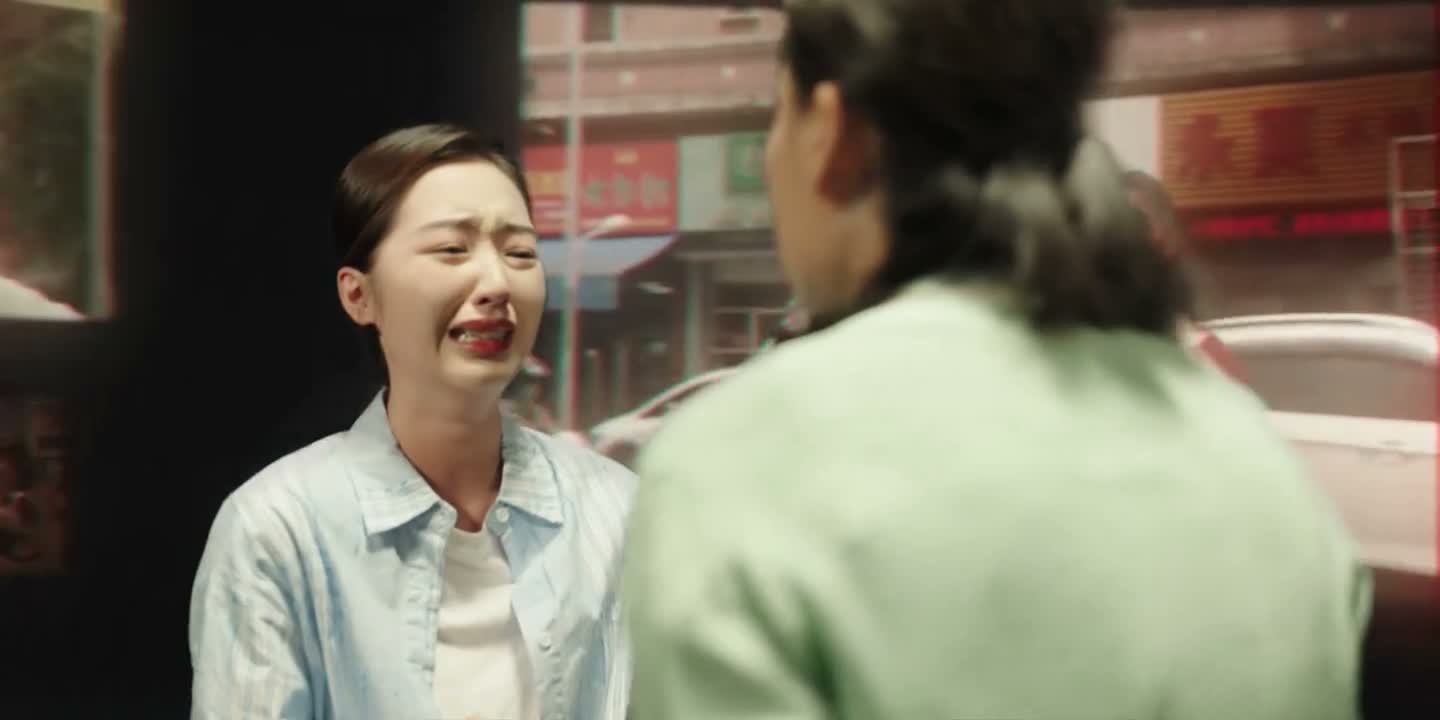
都怪我 对不起
“It's all my fault. I'm sorry.”
THE DIALOGUE REEL
都怪我
“It's all my fault.”
都怪我 对不起
“It's all my fault. I'm sorry.”
至少知道了九婴的身世 也算值得
“At least we know Jiu Ying's origin, that's something.”
Direct spoken expression in this communicative setting.
Assuming total blame ('都怪我') is often an active social strategy to ease communal guilt and elicit comfort from comrades.
LEARNING CHUNKS & PARTICLES
it's all my fault / blame it all on me
Standard high-accountability formula to accept full blame when something goes wrong.
I'm sorry / pardon me
The most standard, sincere apology formula in modern Mandarin.
VOCABULARY & EXPRESSIONS
Parallel Spoken Cinema Scenes (语义近邻切片)

“It's my fault. My apologies.”

“Well. It's my fault.”

“Sorry, I've been too busy. I should have gone to Pingchuan to see you much sooner.”

“It's all my fault. I let my guard down.”

“It's all my fault. That was plain nonsense. - No. - Don't take it to heart.”
“It's all because I got sick”

“I shouldn't have involved you in this.”