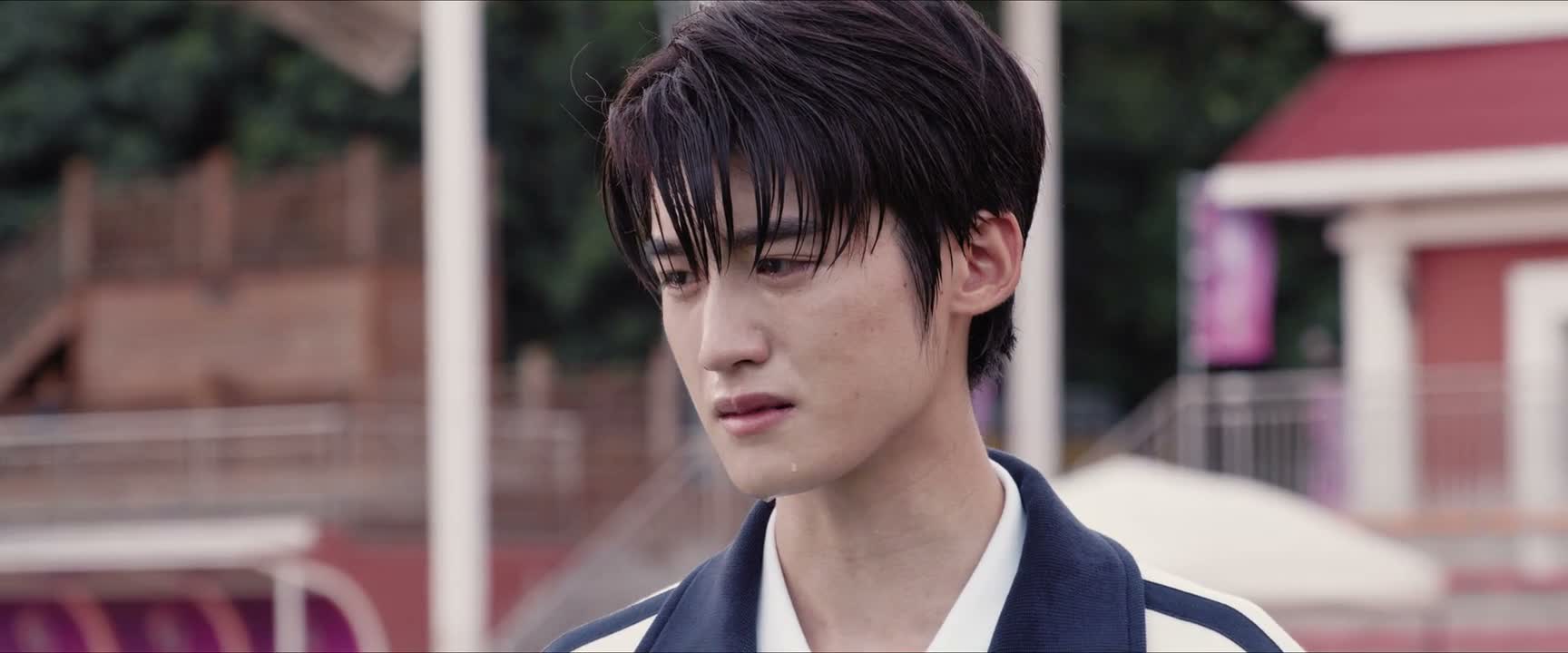
真的对不起 都是我不好 你该知道
“I really am so sorry. It's all my fault. You should know”
THE DIALOGUE REEL
对不起
“[Honey] I'm sorry.”
真的 对不起 都是我不好 你该 知道
“I really am so sorry. It's all my fault. You should know”
这个世界上除了我父亲和小乐 我爱的男人只有你
“that except my father and Jiale, you are the only man I love in this world.”
“Please forgive me; I never meant to hurt you and you mean everything to me.”
Claiming full personal blame ('都是我不好') is a conventional pragmatic strategy in Chinese intimate relationships to de-escalate tension and solicit forgiveness.
LEARNING CHUNKS & PARTICLES
truly sorry / I am really sorry
Emphasizes the sincerity of an apology beyond a casual sorry.
it's all my fault
A high-emotion self-blame expression widely used in romantic or familial reconciliation.
you ought to know / you should know
Appeals to mutual understanding and shared intimacy to elicit sympathy.
VOCABULARY & EXPRESSIONS
Parallel Spoken Cinema Scenes (语义近邻切片)
“I'm really sorry. I didn't do it on purpose.”

“I'm really sorry.”

“Always "I'm sorry." Is saying sorry useful?”

“I'm sorry, Father.”

“I feel I really sorry about all this.”
“What for? You didn't take the photo.”

“I truly failed your painstaking efforts.”

“anyone in this life... it's you...”

“I'm really sorry.”

“Sorry. I'm really sorry.”

“I always feel sorry for you.”

“I'm sorry. I'm so sorry.”
“But I'm sorry. I broke my promise again.”

“I feel like I've let you down.”
“I'm sorry. I'm sorry. I'm really sorry.”

“I'm really sorry. I thought she came looking for Zhangzhu,”

“the two people I owe the most”
“I'm truly sorry.”

“You've let yourself down!”

“I'm really sorry. It's okay. No need...”