实在对不起 我不是有意的
“I'm really sorry. I didn't do it on purpose.”
THE DIALOGUE REEL
我不是故意的
“I didn't mean to.”
实在对不起 我不是 有意 的
“I'm really sorry. I didn't do it on purpose.”
“I'm sorry. I'm sorry. I'm really sorry.”
Direct spoken expression in this communicative setting.
In Chinese culture, emphasizing that an error was completely unintentional while intensifying apologies helps appease anger and restore interpersonal harmony quickly.
LEARNING CHUNKS & PARTICLES
truly sorry / sincerely apologize
Use this to add emotional weight and sincere regret when a simple apology feels insufficient.
unintentional / didn't mean to
A polite, spoken way to clarify that an offense or mistake was completely accidental.
VOCABULARY & EXPRESSIONS
Parallel Spoken Cinema Scenes (语义近邻切片)
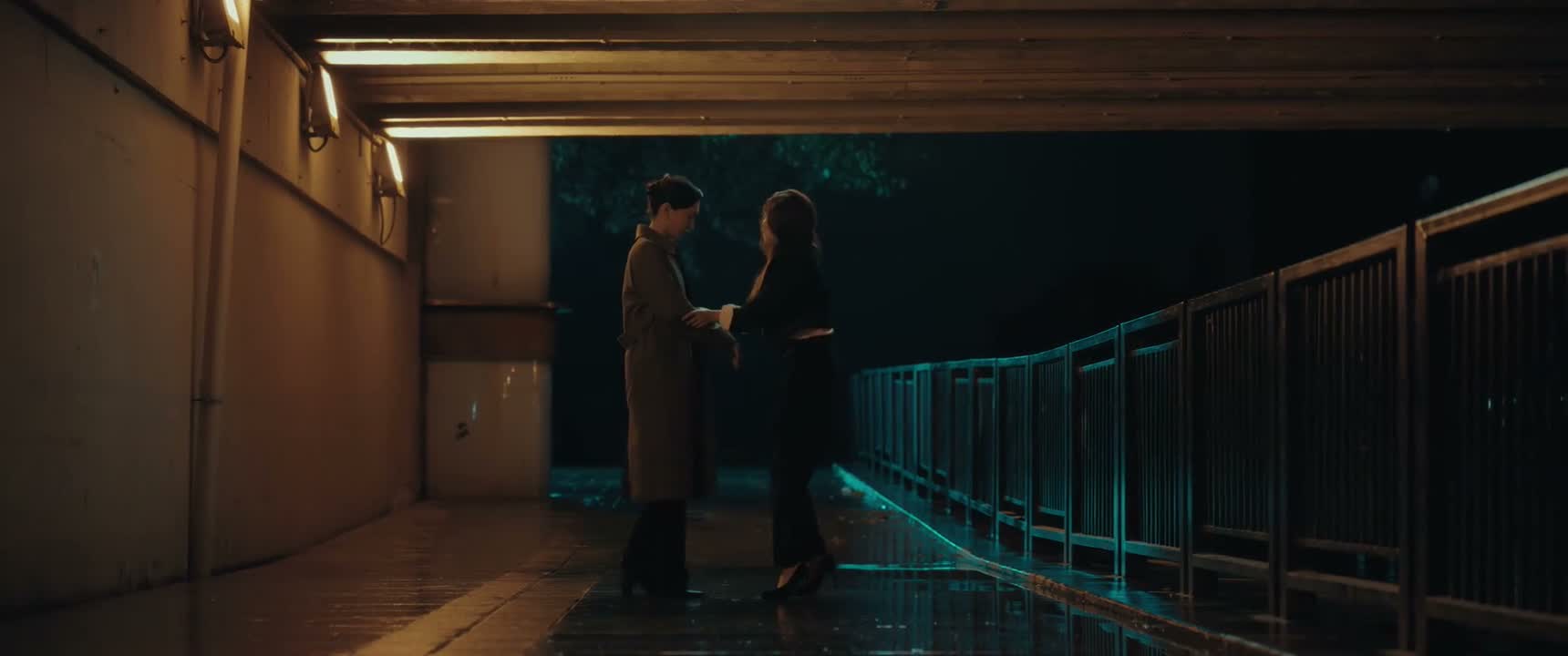
“I'm sorry. I didn't mean to. I didn't mean to.”
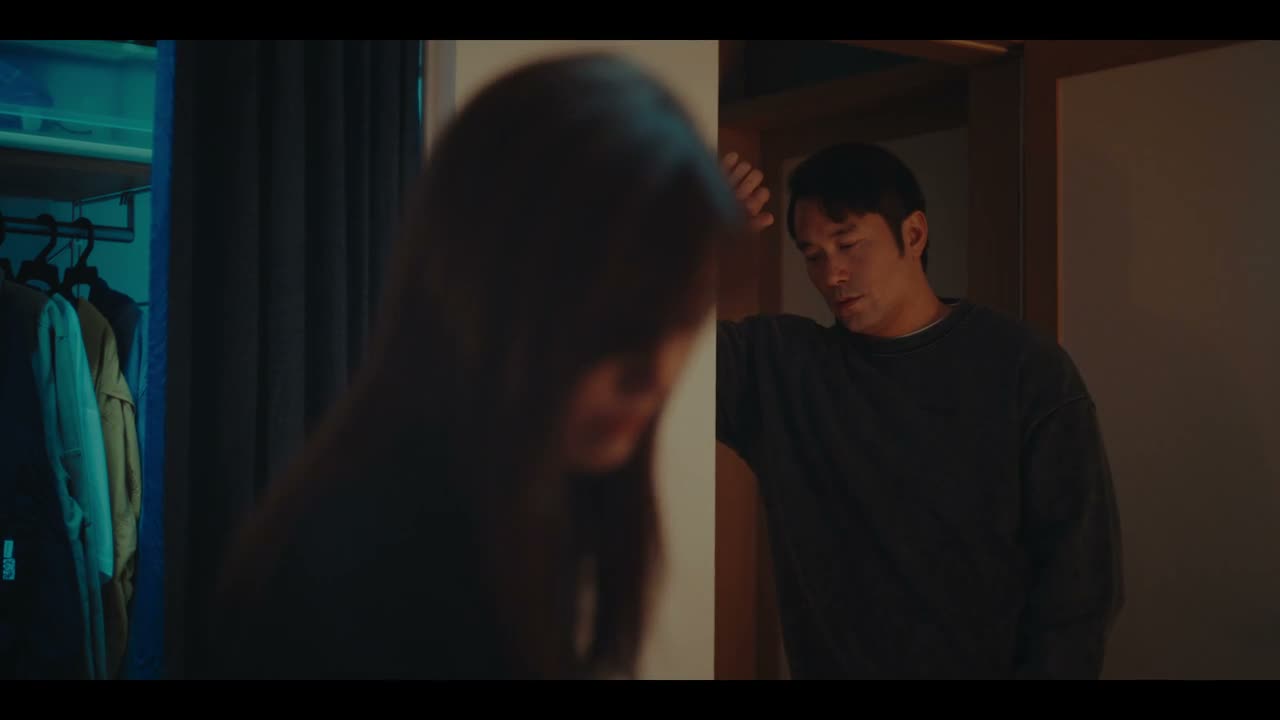
“I'm sorry. I didn't mean it.”
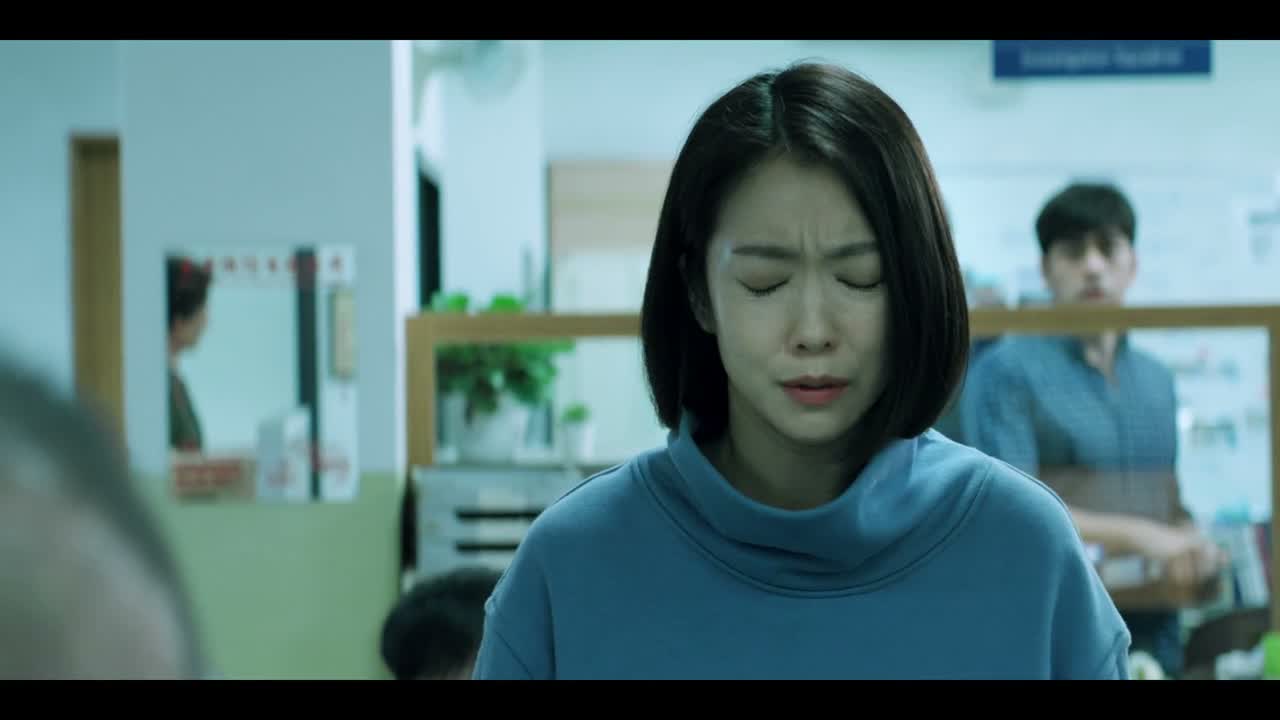
“It's my fault, sir. I misspoke, but I really didn't mean to. I'm sorry. [sighs]”

“Sorry. I really didn't mean to.”

“I really am so sorry. It's all my fault. You should know”
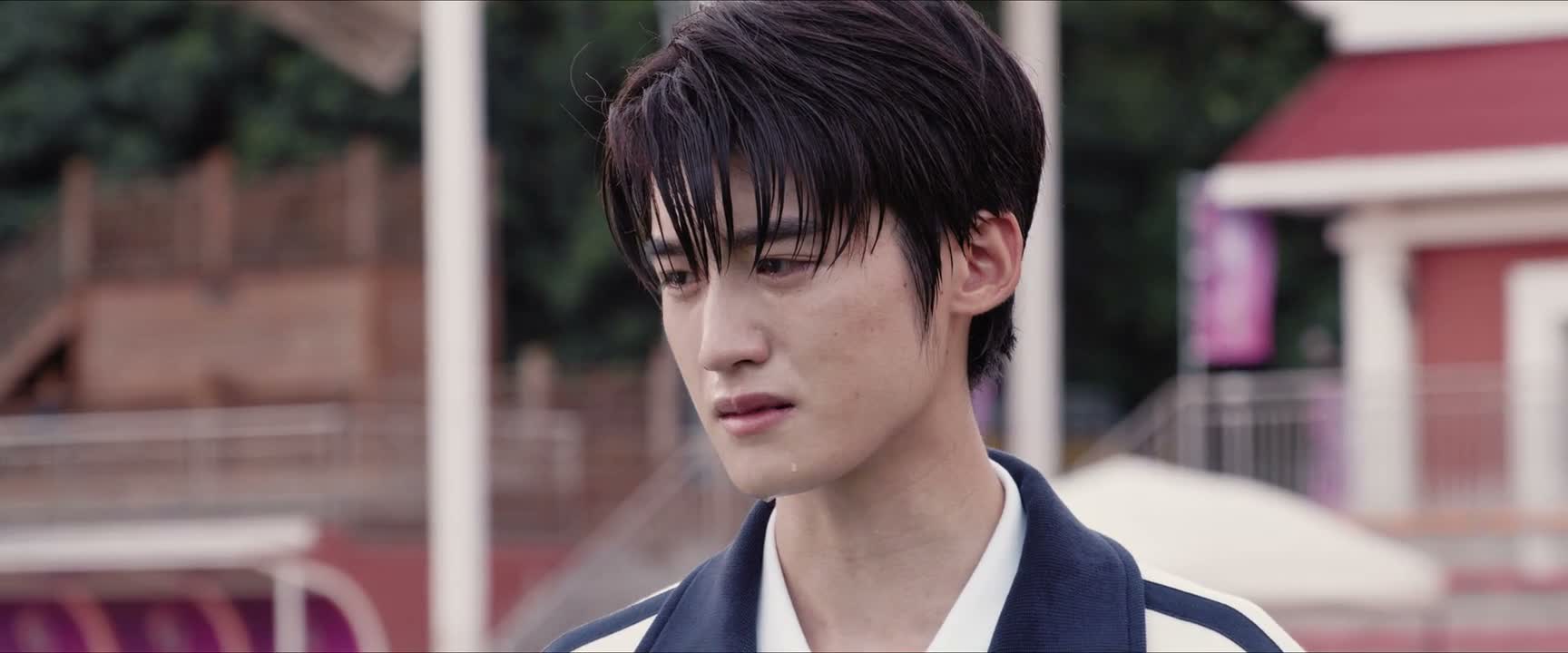
“I'm truly sorry.”

“Sorry. That wasn't on purpose.”

“I'm sorry. I really didn't mean to.”

“Sorry. Sorry. I didn't mean to.”

“I'm really sorry. It's okay. No need...”

“After all, it's a fact that we failed her before.”
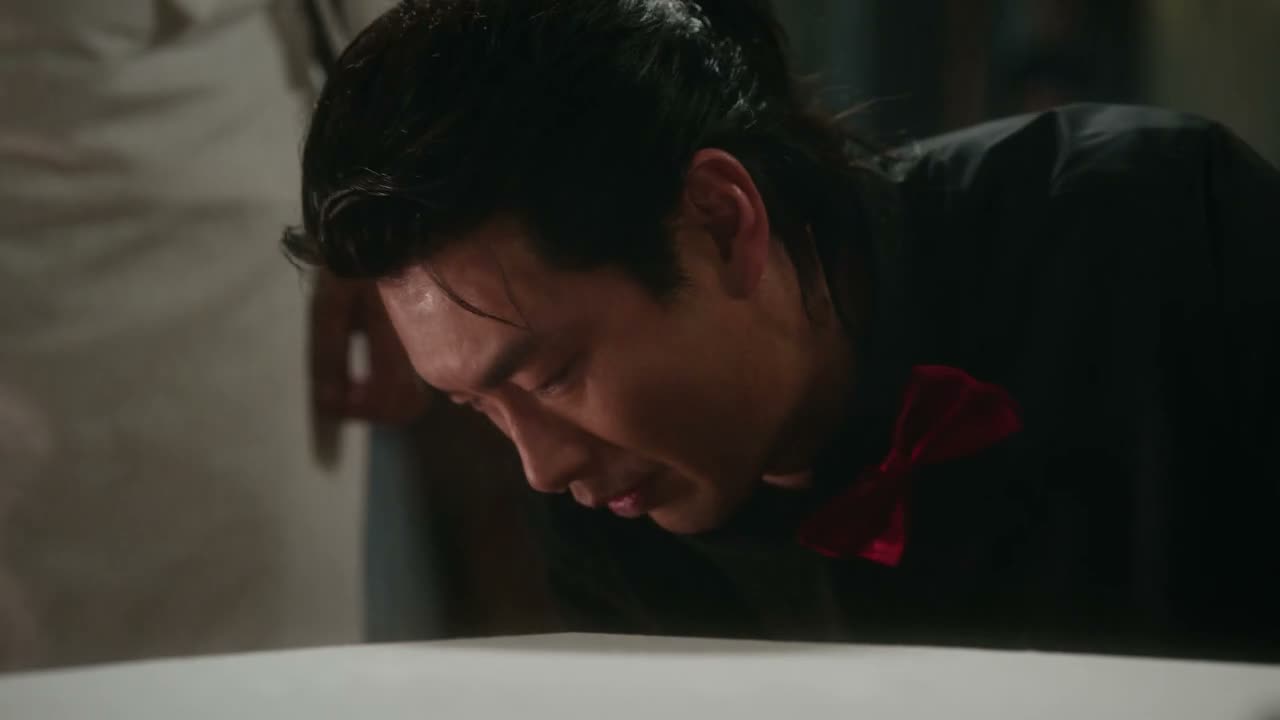
“Sir, I'm really sorry.”

“I'm sorry. I'm so sorry.”
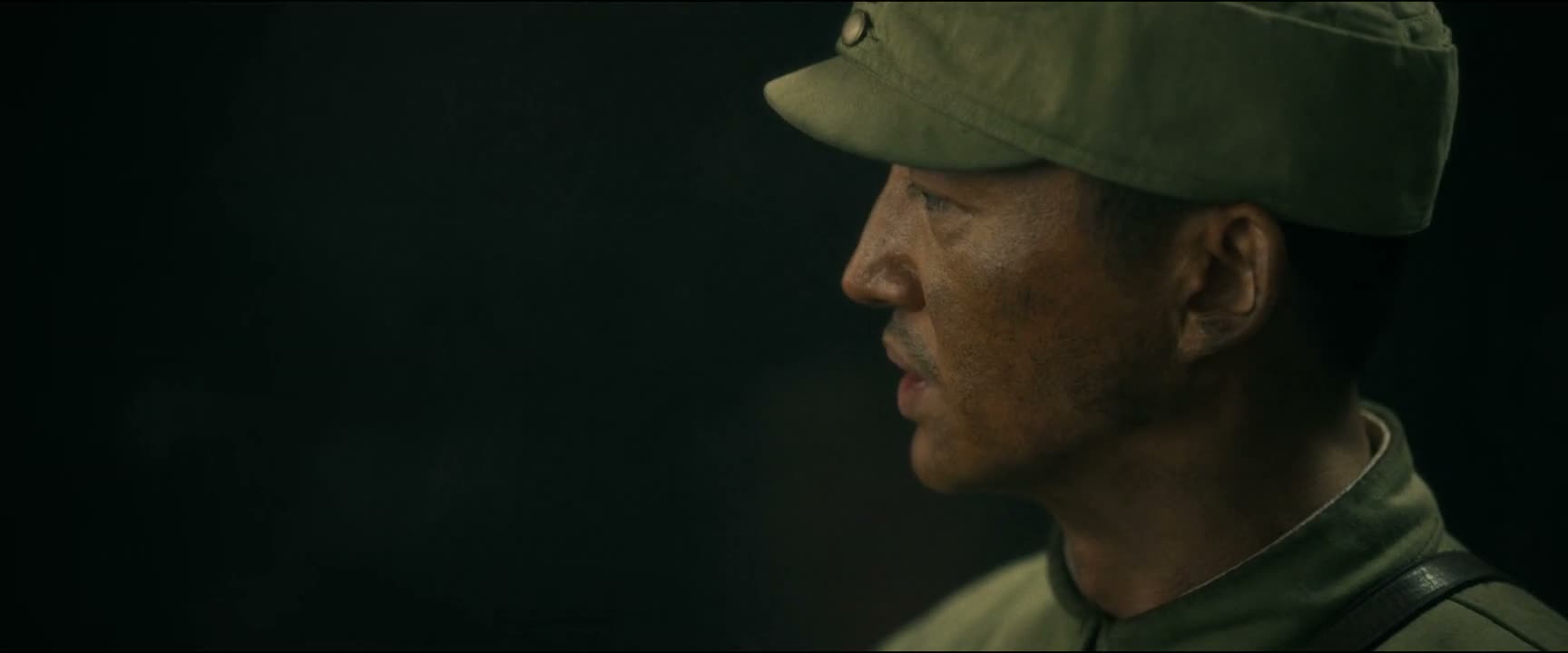
“But I'm sorry. I broke my promise again.”

“I'm really sorry. I thought she came looking for Zhangzhu,”

“But what if things don't work out the way she hopes? Is it fair?”

“I'm sorry. I had no choice then.”
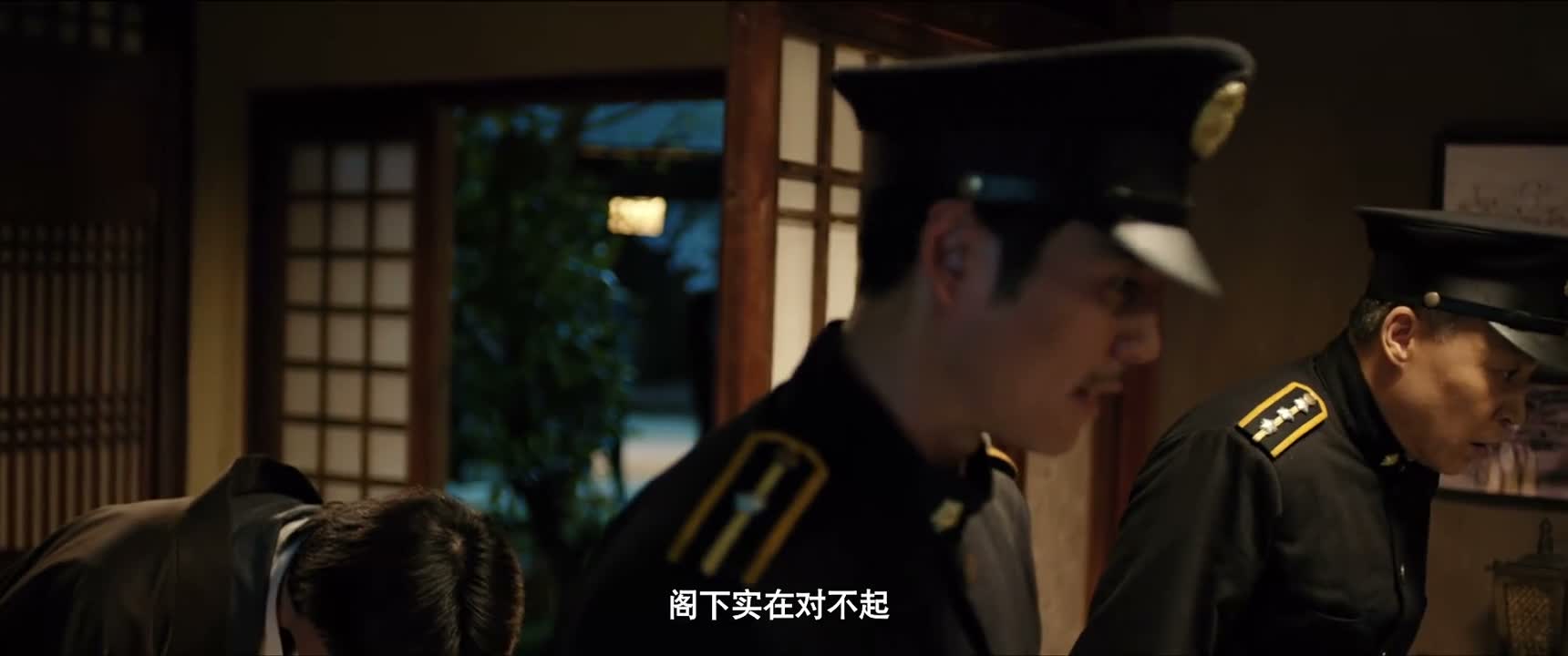
“Sir, I am truly sorry.”

“I'm sorry. I'm sorry. It was really our oversight.”

“I'm really sorry.”