对不起 我不是故意的 我不是故意的
“I'm sorry. I didn't mean to. I didn't mean to.”
THE DIALOGUE REEL
对不起 我不是故意的 我不是故意的
“I'm sorry. I didn't mean to. I didn't mean to.”
我只是想留在这个城市而已 我就是想有份工作
“I just want to stay in this city. I just want a job.”
“Please do not ruin my life over this mistake; I had no bad intentions!”
Emphasizing a lack of malicious intent ('bu shi guyi de') is a standard psychological plea to elicit sympathy and mitigate harsh retribution.
LEARNING CHUNKS & PARTICLES
did not do it on purpose / unintentional
Essential defense phrase used immediately after causing damage or offending someone by mistake.
VOCABULARY & EXPRESSIONS
Parallel Spoken Cinema Scenes (语义近邻切片)
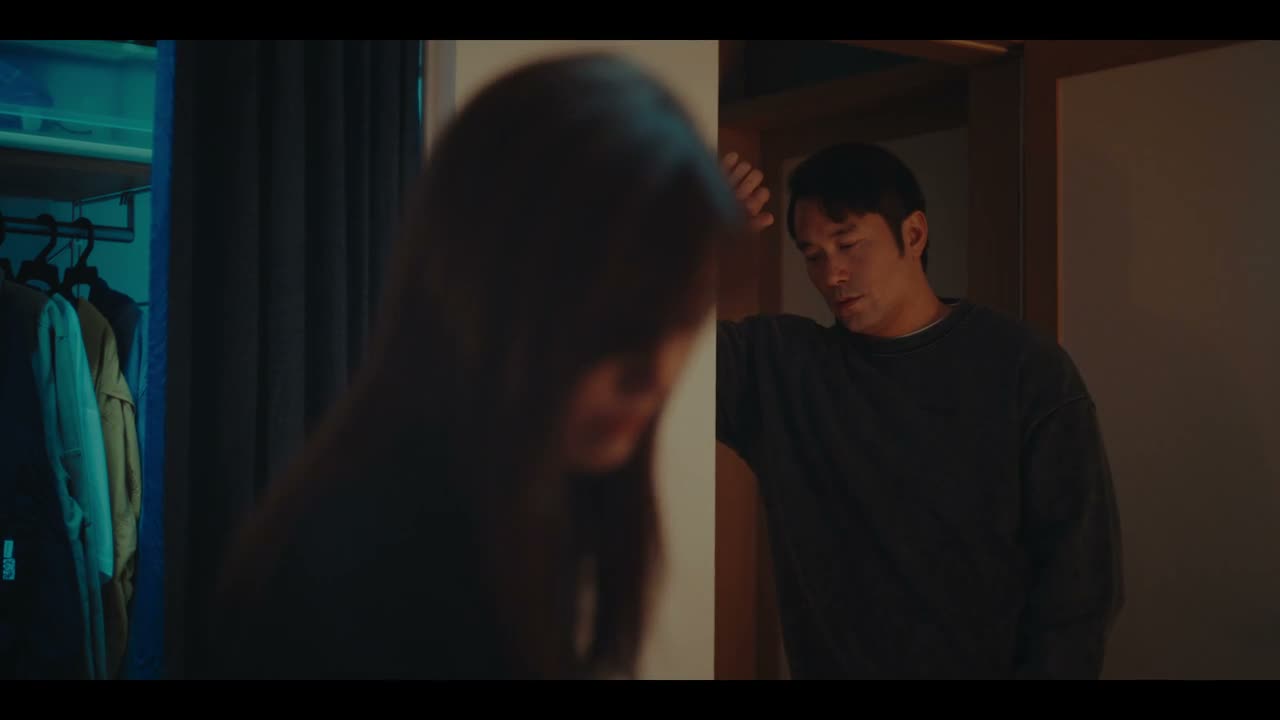
“I'm sorry. I didn't mean it.”
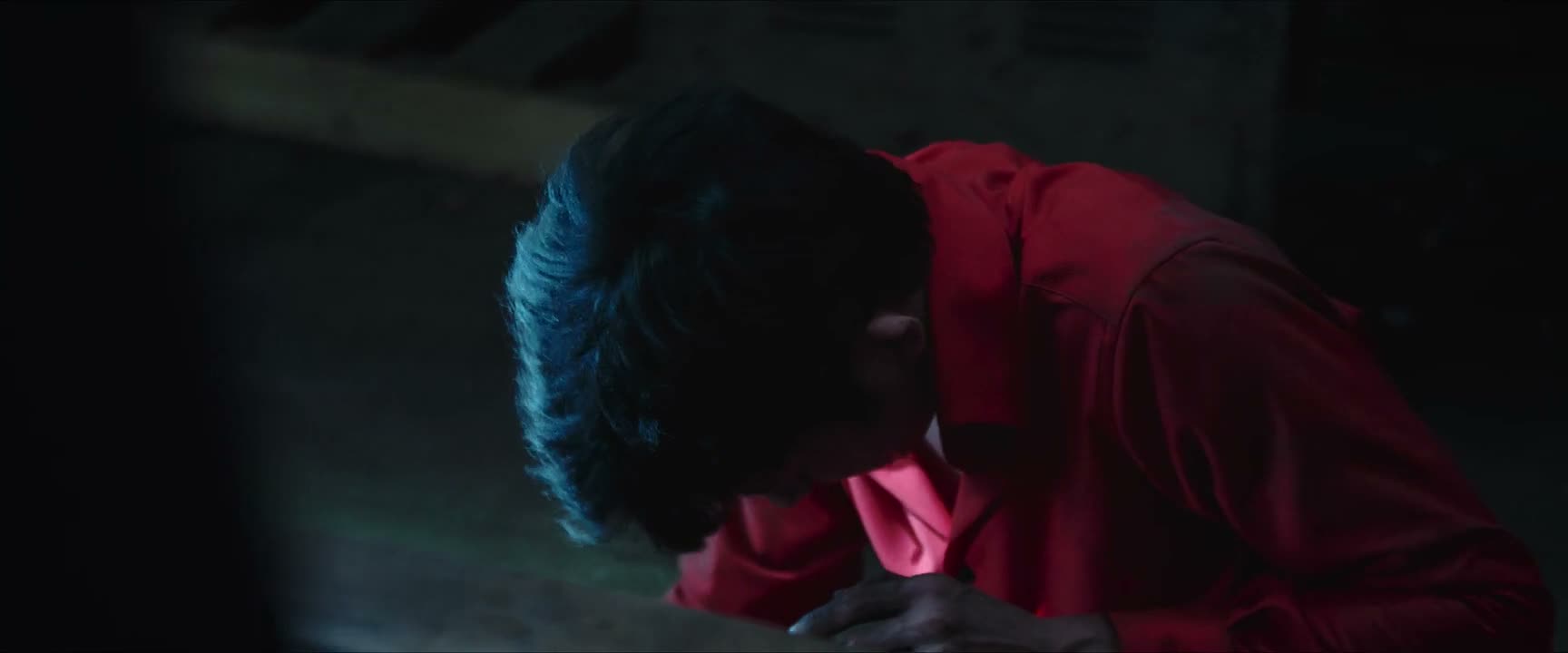
“I'm really sorry. I didn't do it on purpose.”

“Sorry. I really didn't mean to.”
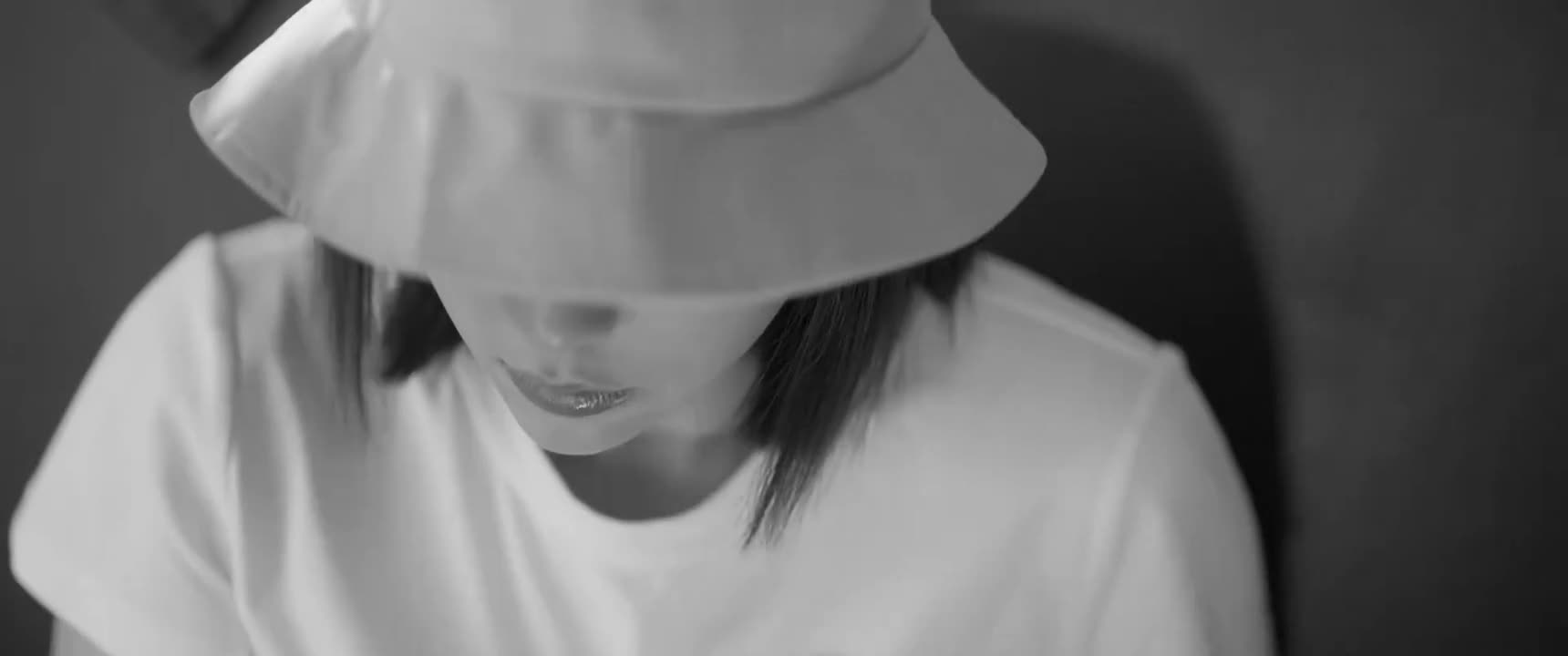
“Sorry, did I step on you?”

“I'm sorry! I didn't mean to! Please forgive me, My Lady.”
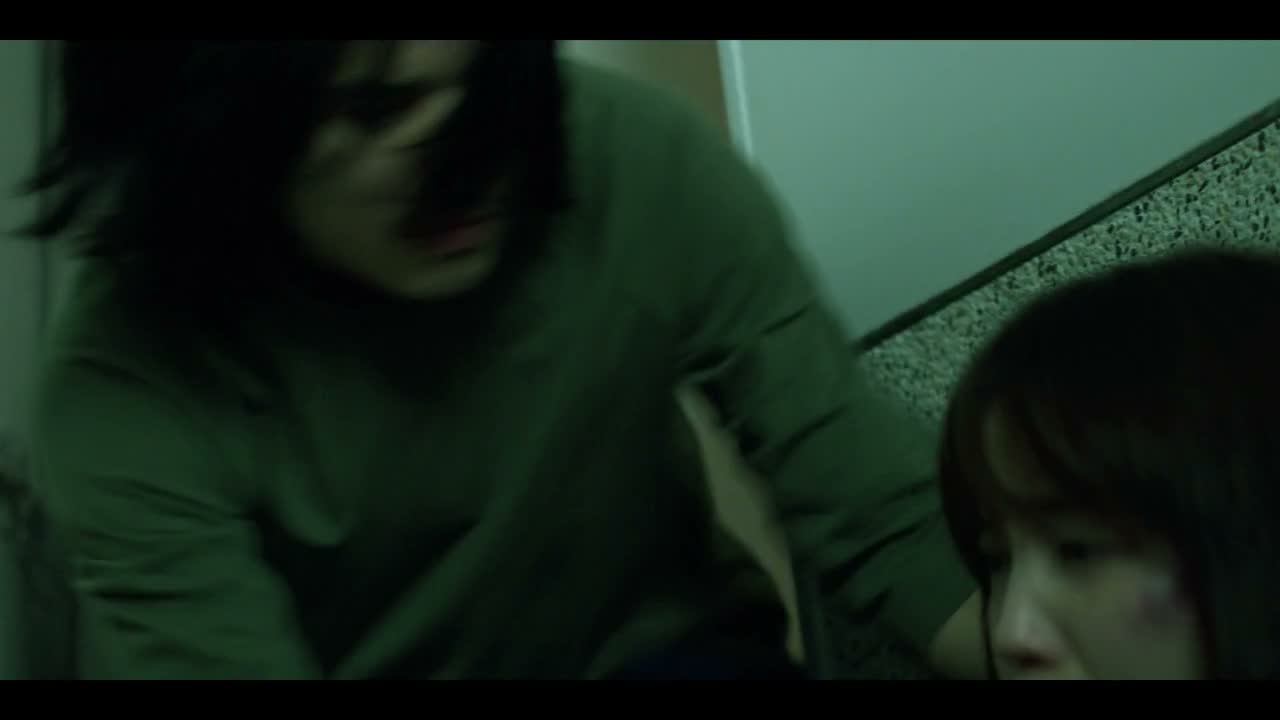
“[Pin-hsuan] I'm… I'm sorry. - I didn't do anything! I didn't-- [yelps] - [Po-lun grunting]”

“I'm sorry. I don't want to hurt you. But you can't do so.”

“I'm sorry. I'll kneel to you.”

“Sorry. I just feel so bad.”

“I'm sorry. I'm so sorry.”

“Sorry, I'm late. I'll punish myself with a drink.”

“I'm sorry I came home late again.”
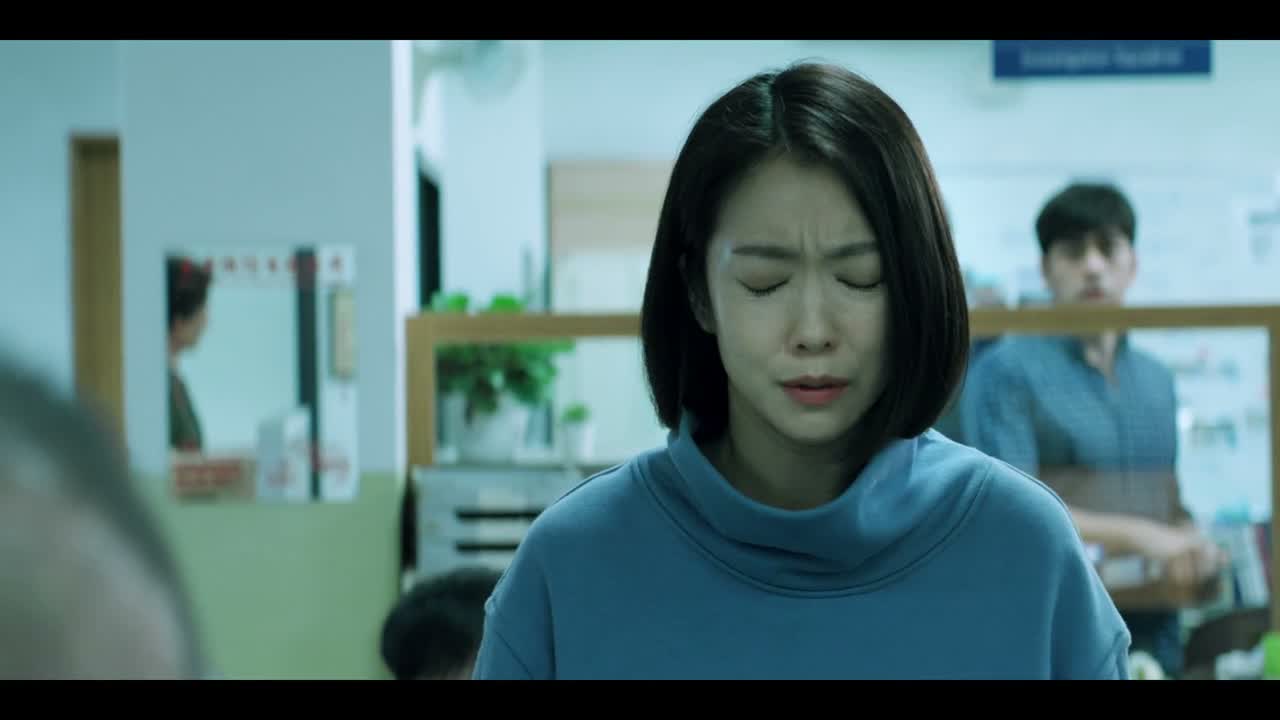
“It's my fault, sir. I misspoke, but I really didn't mean to. I'm sorry. [sighs]”
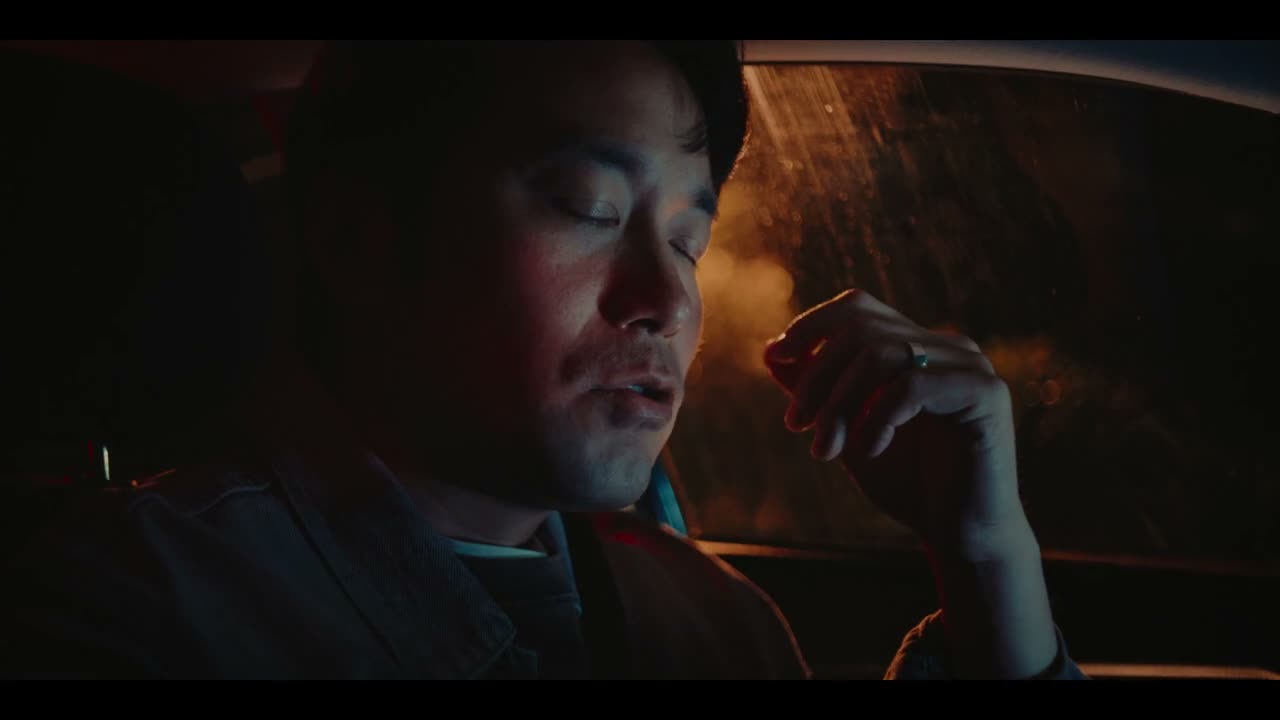
“I'm sorry. I messed everything up today.”

“I'm sorry. I-I didn't mean to hide it from you.”

“I'm sorry. I was too impulsive and reckless this time.”

“I'm sorry. I thought... What did you”

“Sorry. That wasn't on purpose.”

“I'm sorry. I really didn't mean to.”

“Sorry. Sorry. I didn't mean to.”

“Sorry. I'll go and buy you another one.”