对不起 我不想伤害你 但是你不能下山
“I'm sorry. I don't want to hurt you. But you can't do so.”
THE DIALOGUE REEL
对不起 我不想 伤害你 但是你 不能 下山
“I'm sorry. I don't want to hurt you. But you can't do so.”
“Do not make this harder than it needs to be; I will use force if you resist.”
Even when committing acts of restriction or violence, traditional Chinese dramatic figures often use verbal politeness to signal personal honor and lack of malice.
LEARNING CHUNKS & PARTICLES
sorry / excuse me
A common apology, here used to soften a forceful prohibition.
to hurt / to harm
Use when referring to physical harm or deep emotional injury.
go down the mountain
A literal directional action phrase common in outdoor or historical settings.
VOCABULARY & EXPRESSIONS
Parallel Spoken Cinema Scenes (语义近邻切片)
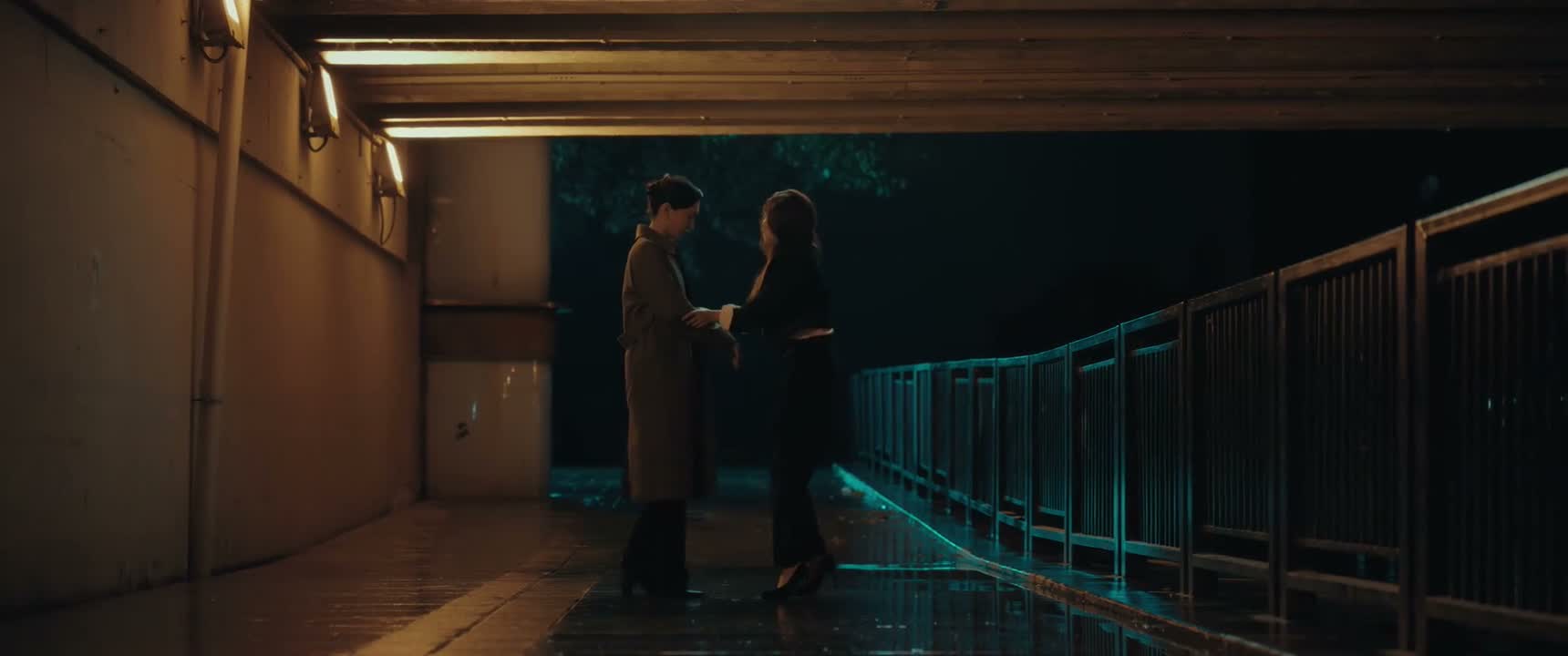
“I'm sorry. I didn't mean to. I didn't mean to.”

“I'm sorry. I'll kneel to you.”

“Sorry. I just feel so bad.”

“I'm sorry. I'm so sorry.”
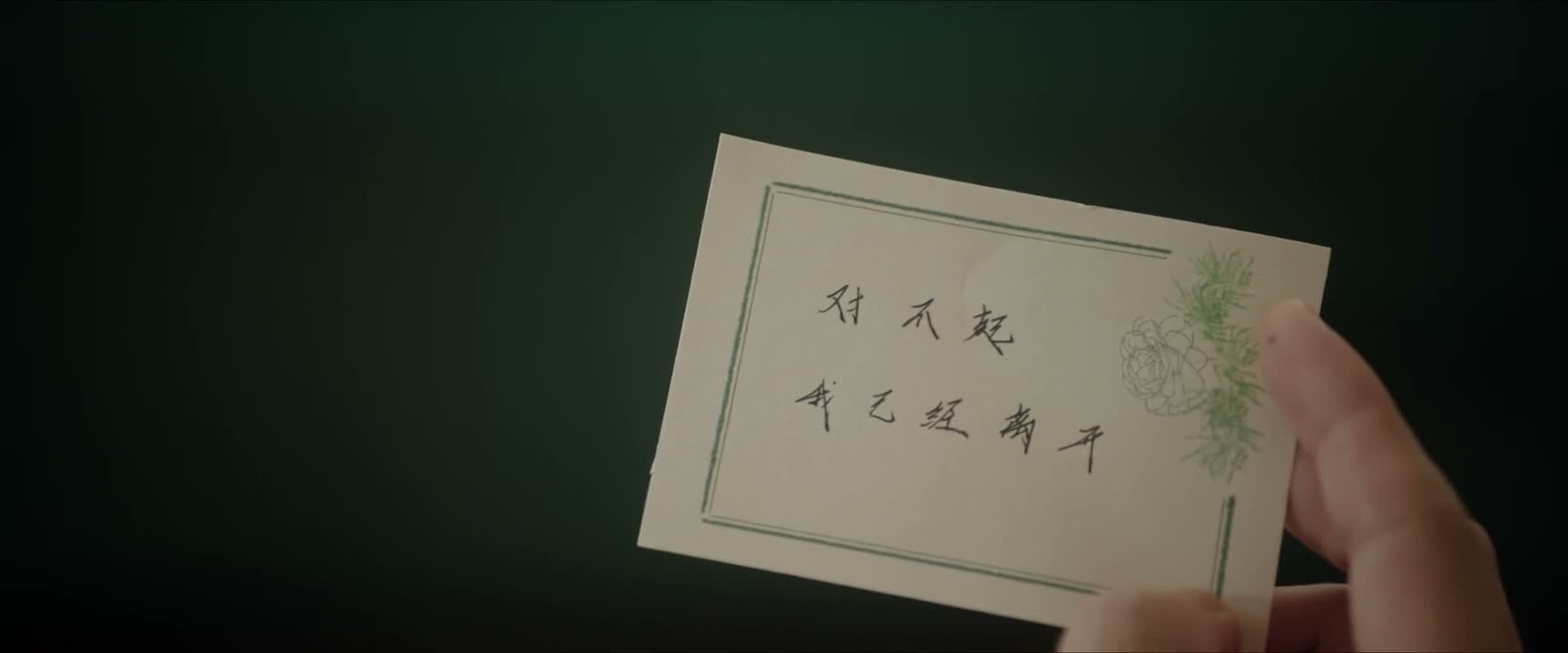
“I'm sorry. I've already left.”

“Sorry. I have to keep you alive.”
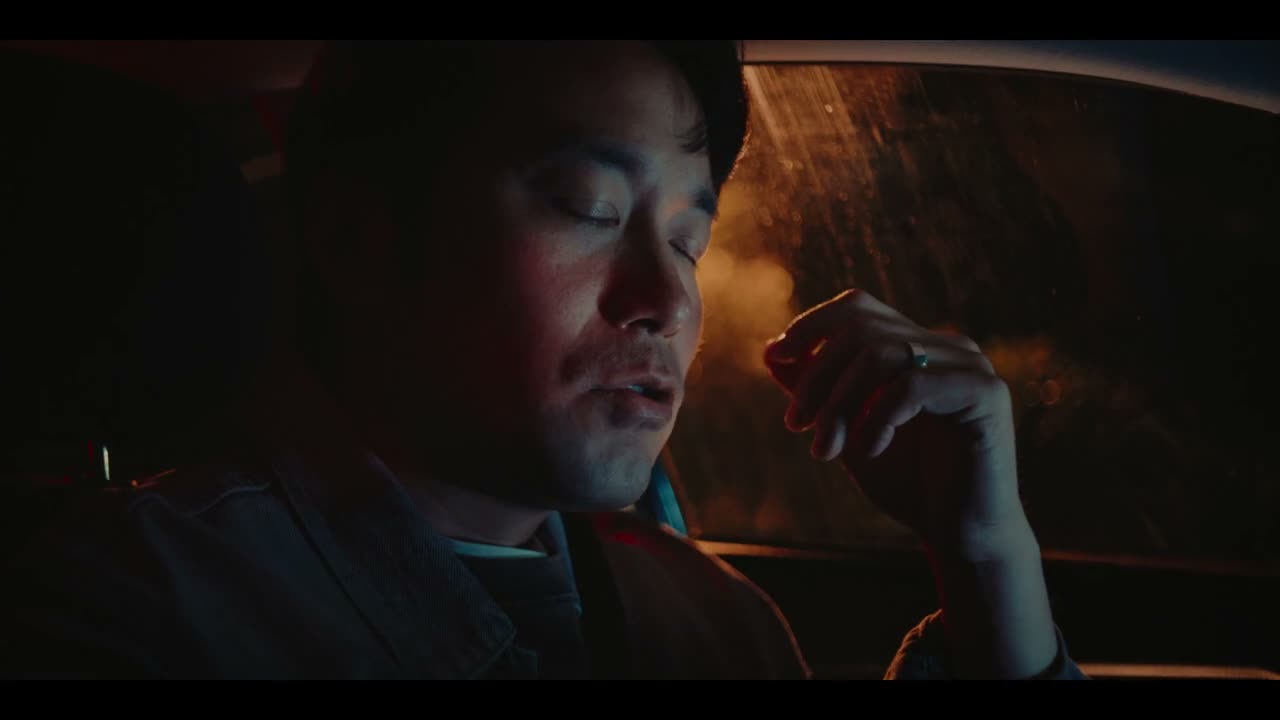
“I'm sorry. I messed everything up today.”

“I'm sorry. I-I didn't mean to hide it from you.”

“Sorry. I really didn't mean to.”

“Sorry. That wasn't on purpose.”

“I'm sorry. I really didn't mean to.”

“Sorry. I'll go and buy you another one.”