对不起 我已经离开
“I'm sorry. I've already left.”
THE DIALOGUE REEL
林晚星
“Lin Wanxing!”
对不起 我 已经 离开
“I'm sorry. I've already left.”
星星
“Wanxing!”
“It is too late; I have made up my mind to leave you behind.”
Pairing an apology like '对不起' with a declarative statement of departure is a definitive way to signal irrevocable emotional termination while mitigating overt cruelty.
LEARNING CHUNKS & PARTICLES
sorry / I apologize
Standard apology, here used solemnly to soften a painful decision.
have already left
Indicates a completed physical departure or an emotional detachment that cannot be undone.
VOCABULARY & EXPRESSIONS
Parallel Spoken Cinema Scenes (语义近邻切片)

“I'm sorry. I don't want to hurt you. But you can't do so.”

“Sorry, I'm late. I got caught in traffic.”

“I'm sorry. I'll kneel to you.”

“I'm so sorry. I'll give you a massage later.”

“Sorry. I just feel so bad.”

“I'm sorry. I'm so sorry.”

“Sorry, I'm late. I'll punish myself with a drink.”

“I'm sorry I came home late again.”

“Sorry. I have to keep you alive.”

“Sorry. I have a few questions to ask and it just takes a while.”
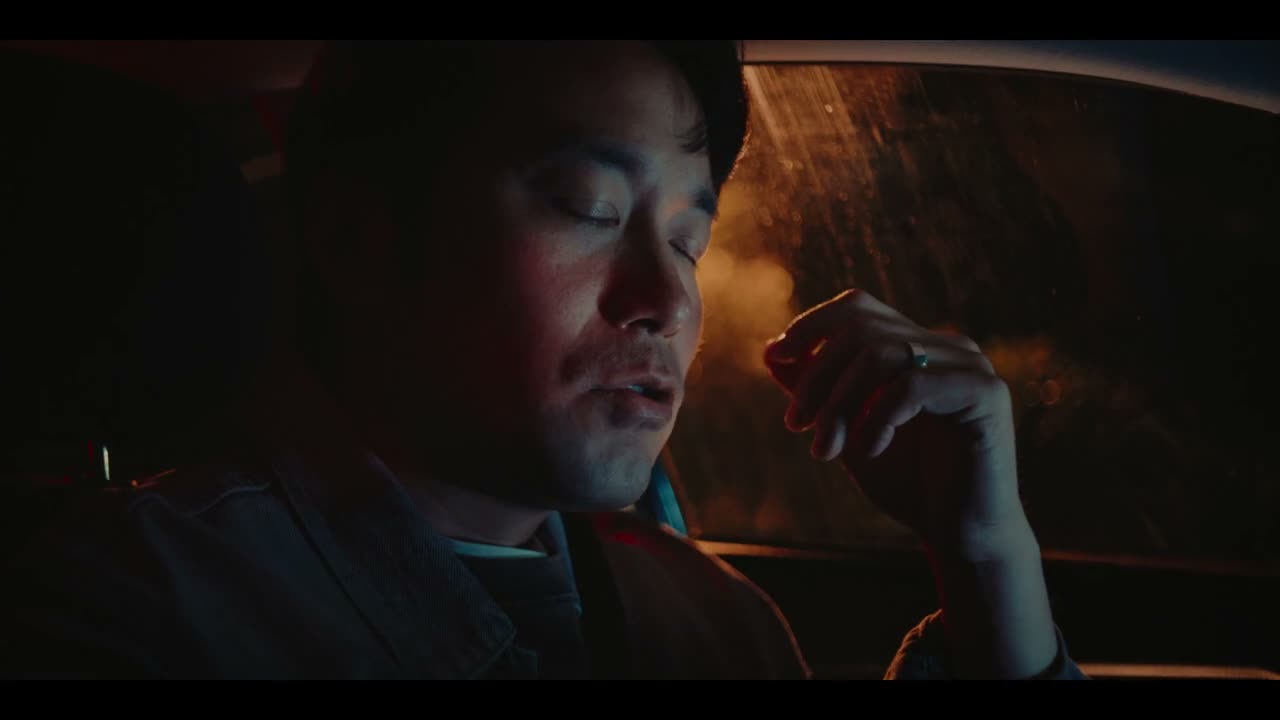
“I'm sorry. I messed everything up today.”

“I'm sorry. I-I didn't mean to hide it from you.”

“I'm sorry. I was too impulsive and reckless this time.”

“Sorry. I really didn't mean to.”

“I'm sorry. I thought... What did you”

“Sorry. That wasn't on purpose.”

“I'm sorry. I really didn't mean to.”

“Sorry. I'll go and buy you another one.”