对不起 我真的不是有意的
“Sorry. I really didn't mean to.”
THE DIALOGUE REEL
对不起 我 真的不是 有意 的
“Sorry. I really didn't mean to.”
我先去冲一下 对不起 对不起
“I'll go for a shower. Sorry. Sorry.”
Direct spoken expression in this communicative setting.
Explicitly disclaiming intent ('不是有意的') is a vital step in Chinese interpersonal harmony to avoid hurt feelings and prevent an accident from being taken as a personal insult.
LEARNING CHUNKS & PARTICLES
not intentional; did not do it on purpose
A highly versatile formula to disclaim malicious intent after an accident or social faux pas.
VOCABULARY & EXPRESSIONS
Parallel Spoken Cinema Scenes (语义近邻切片)

“I'm sorry! I didn't mean to! Please forgive me, My Lady.”
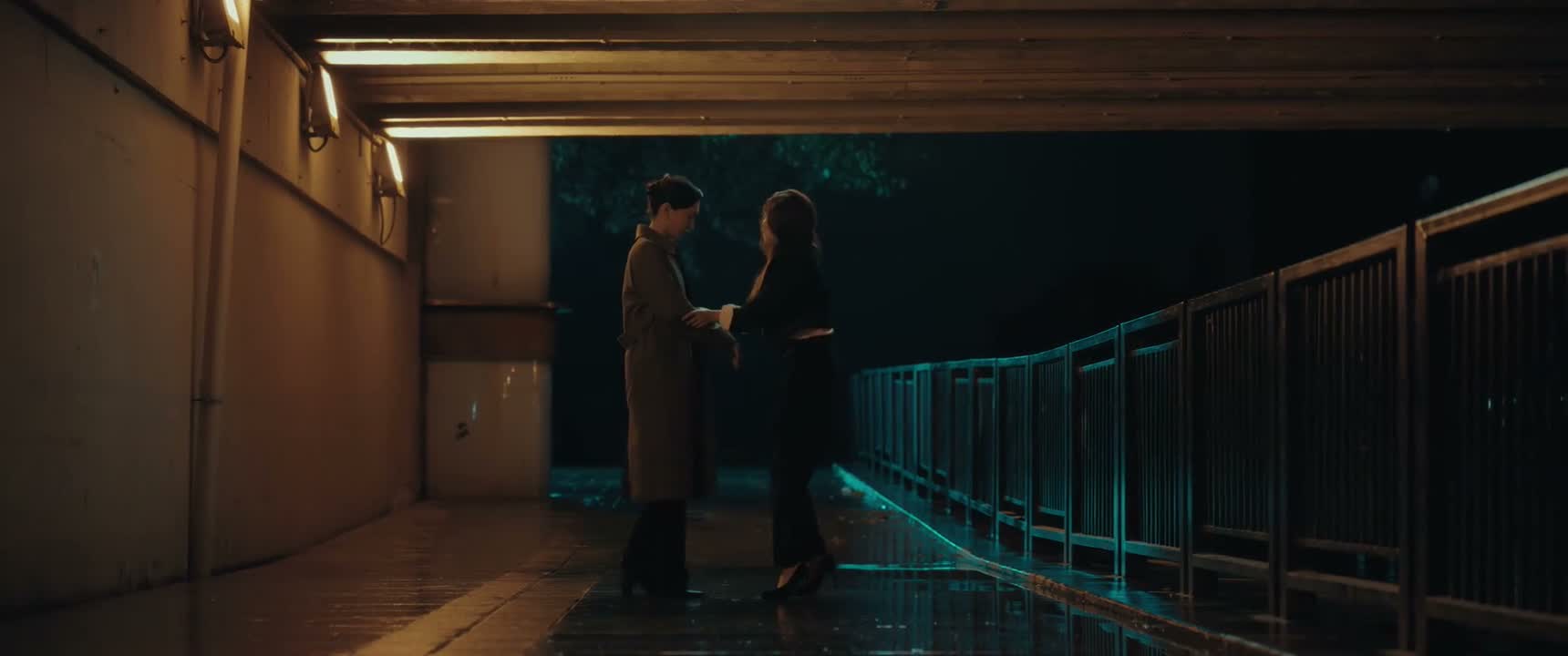
“I'm sorry. I didn't mean to. I didn't mean to.”
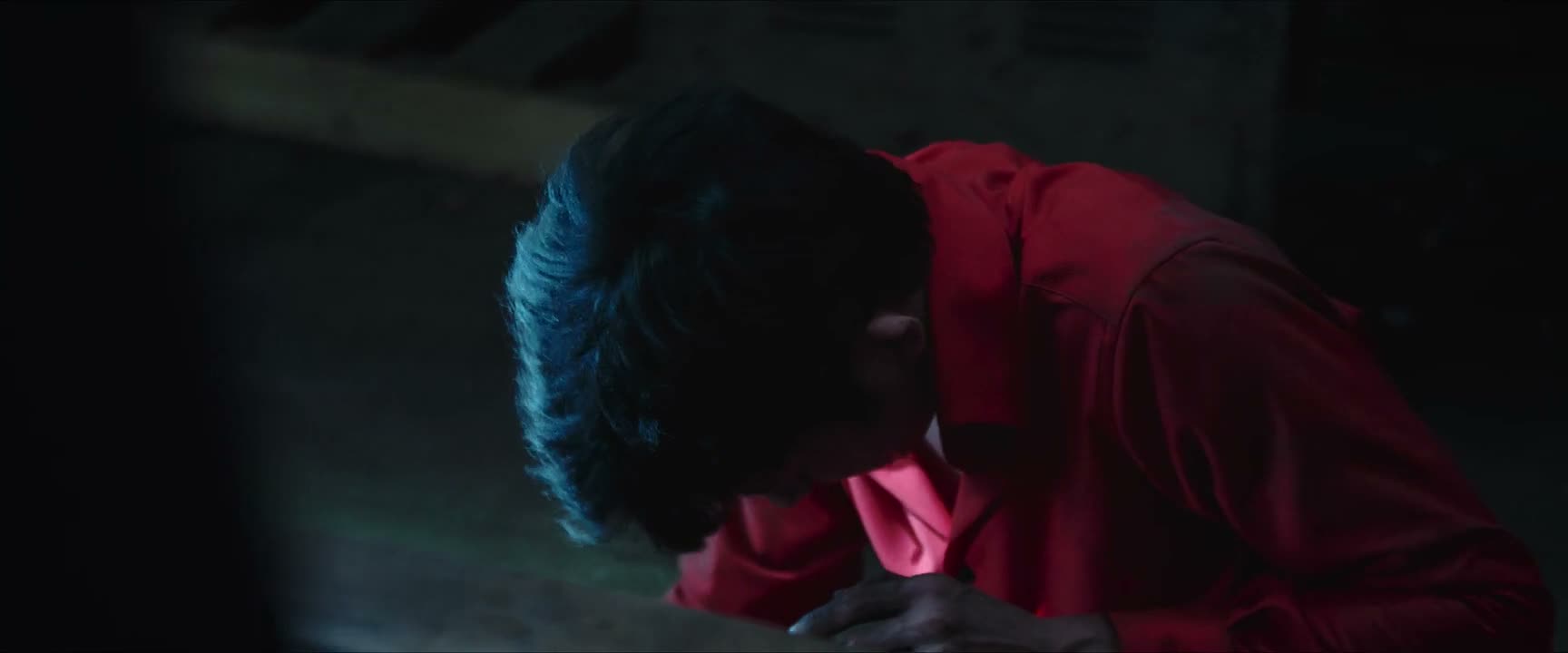
“I'm really sorry. I didn't do it on purpose.”

“I'm sorry. I-I didn't mean to hide it from you.”

“Sorry. That wasn't on purpose.”

“I'm sorry. I really didn't mean to.”

“I'm sorry. I don't want to hurt you. But you can't do so.”

“Sorry, I'm late. I got caught in traffic.”

“I'm sorry. I'll kneel to you.”
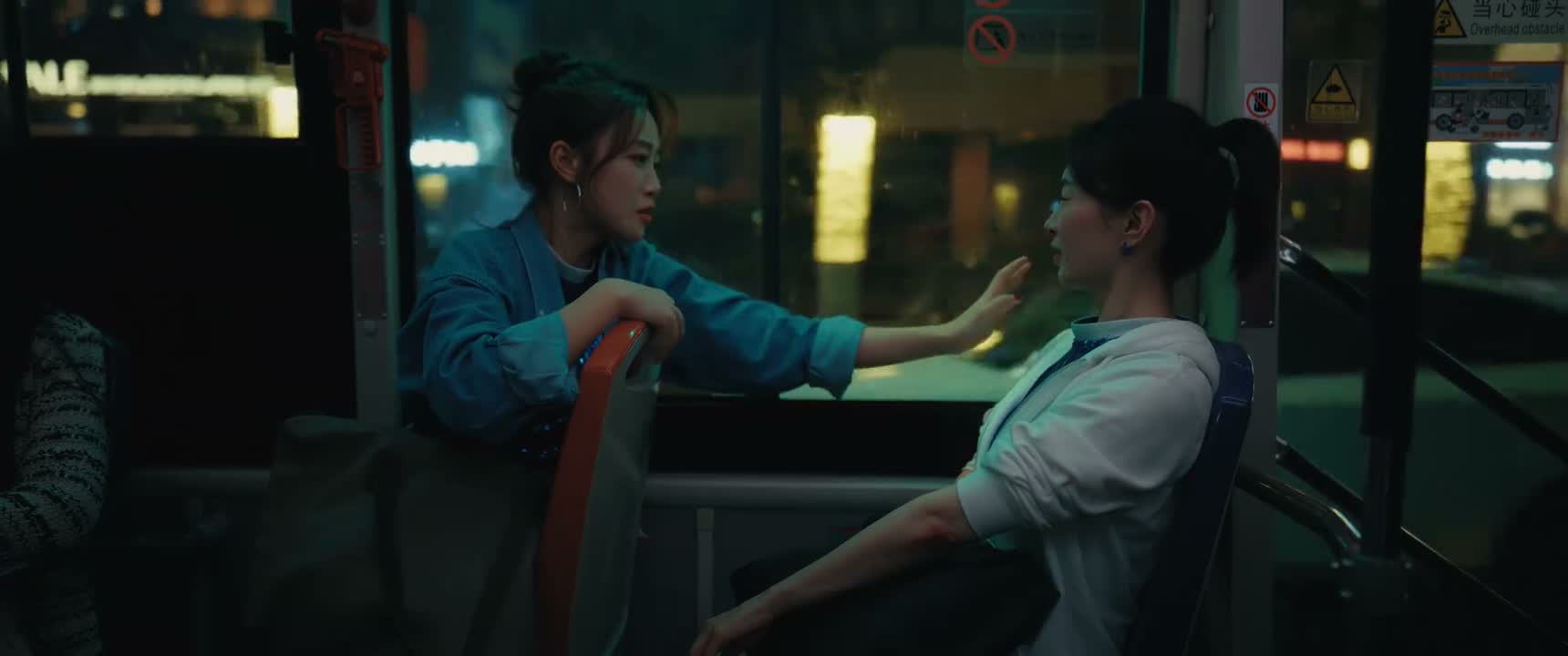
“I'm so sorry. I'll give you a massage later.”

“Sorry. I just feel so bad.”

“I'm sorry. I'm so sorry.”

“Sorry, I'm late. I'll punish myself with a drink.”
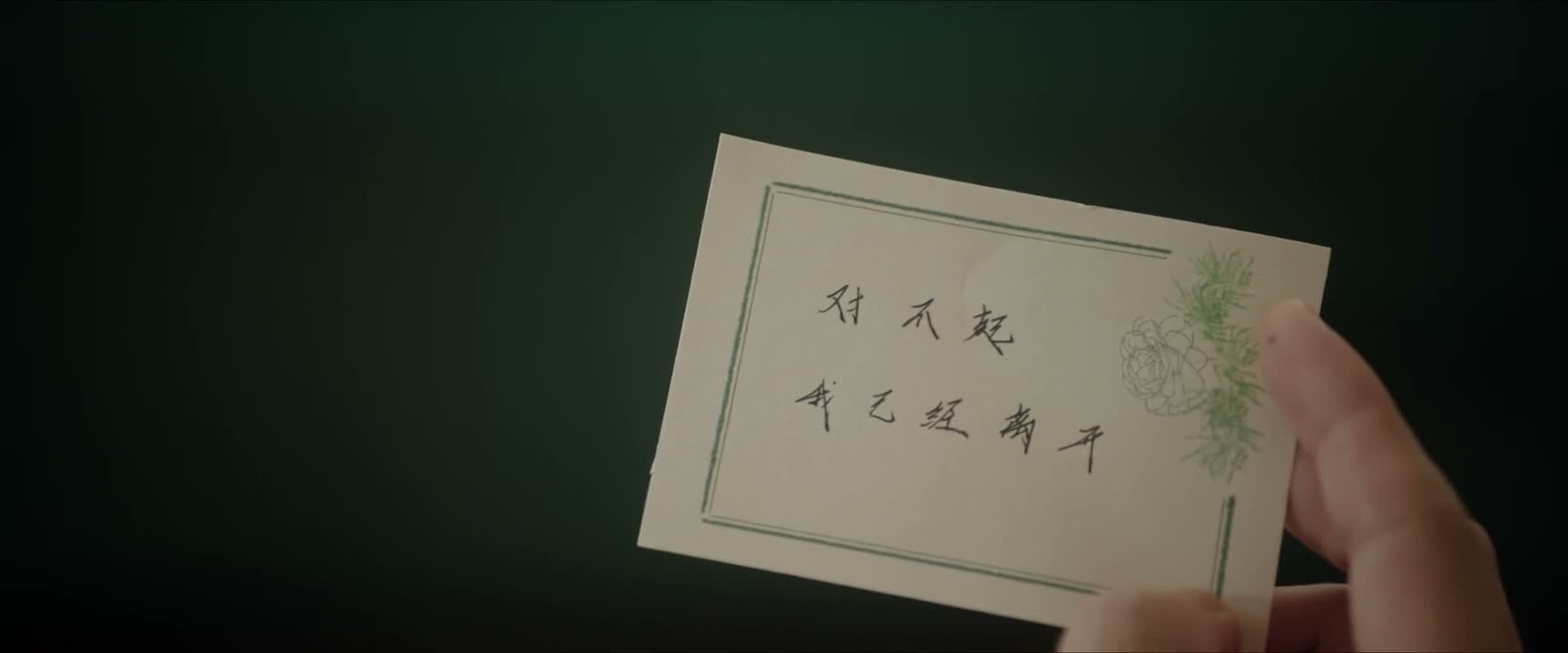
“I'm sorry. I've already left.”
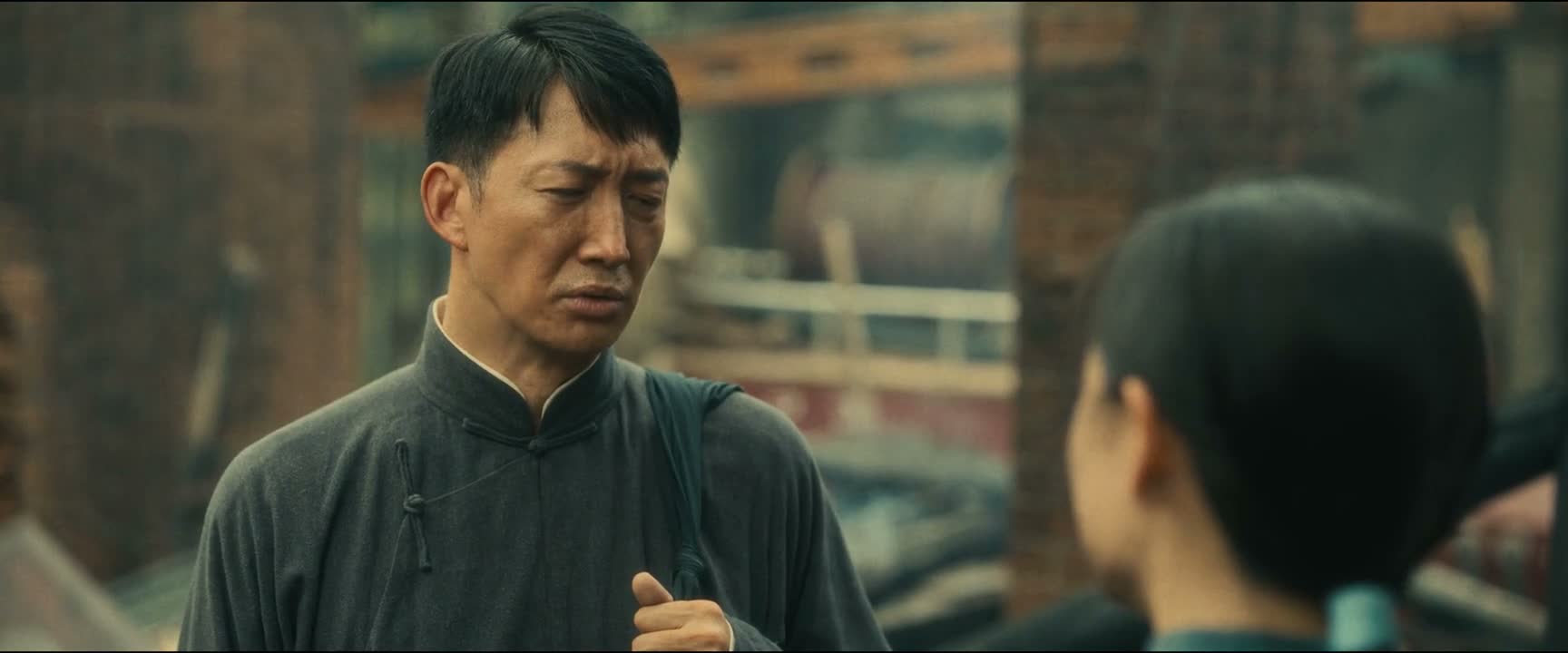
“I'm sorry, miss. He's not around me.”

“I'm sorry I came home late again.”

“Sorry. I have to keep you alive.”
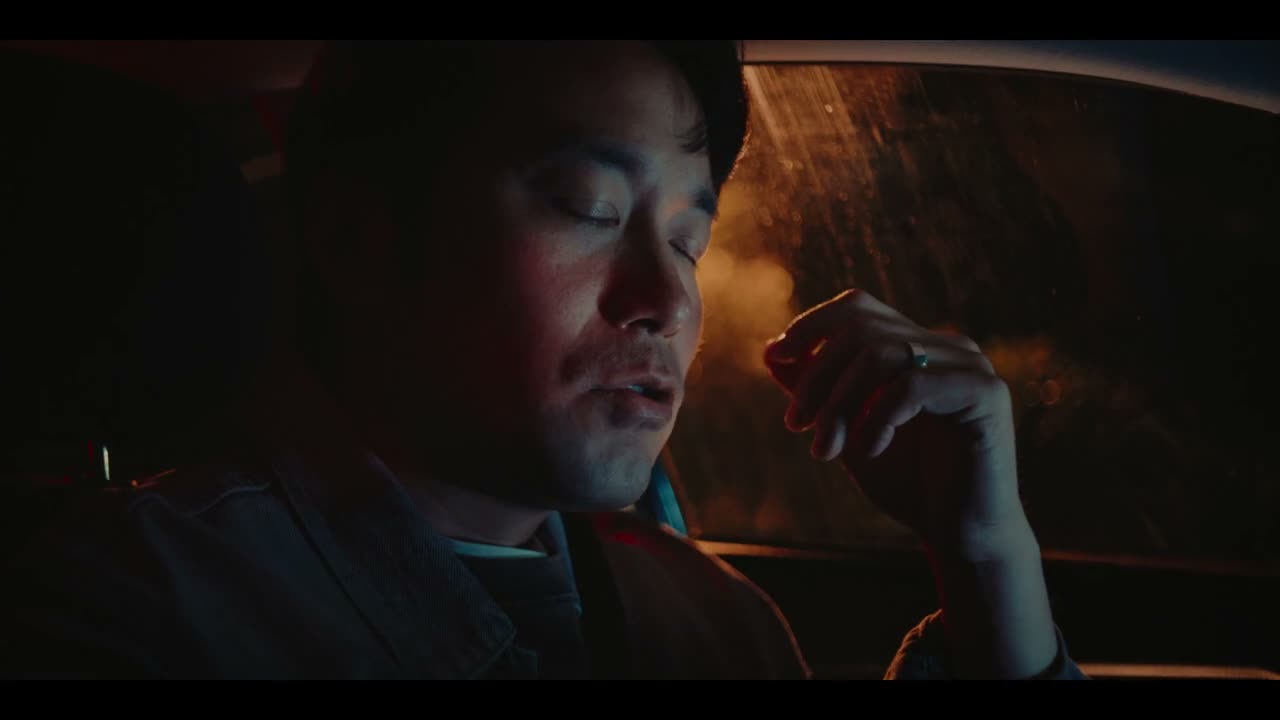
“I'm sorry. I messed everything up today.”

“I'm sorry. I was too impulsive and reckless this time.”

“I'm sorry. I thought... What did you”

“Sorry. I'll go and buy you another one.”