对不起 我就是太难受了
“Sorry. I just feel so bad.”
THE DIALOGUE REEL
“Don't cry. People around thought I was bullying you.”
对不起 我 就是 太难受了
“Sorry. I just feel so bad.”
以后
“Later,”
“I don't mean to embarrass you in public, but I genuinely cannot hold back my pain right now.”
Making a scene in public can cause awkwardness or loss of face for companions, prompting an immediate apology when emotional control is broken.
LEARNING CHUNKS & PARTICLES
feeling too miserable / overwhelmed with grief
Can refer to both physical discomfort and deep emotional distress depending on context.
it's just that I / simply
Used to introduce an honest explanation or justification for one's actions or feelings.
Indicates a newly emerged emotional state of extreme distress.
VOCABULARY & EXPRESSIONS
Parallel Spoken Cinema Scenes (语义近邻切片)
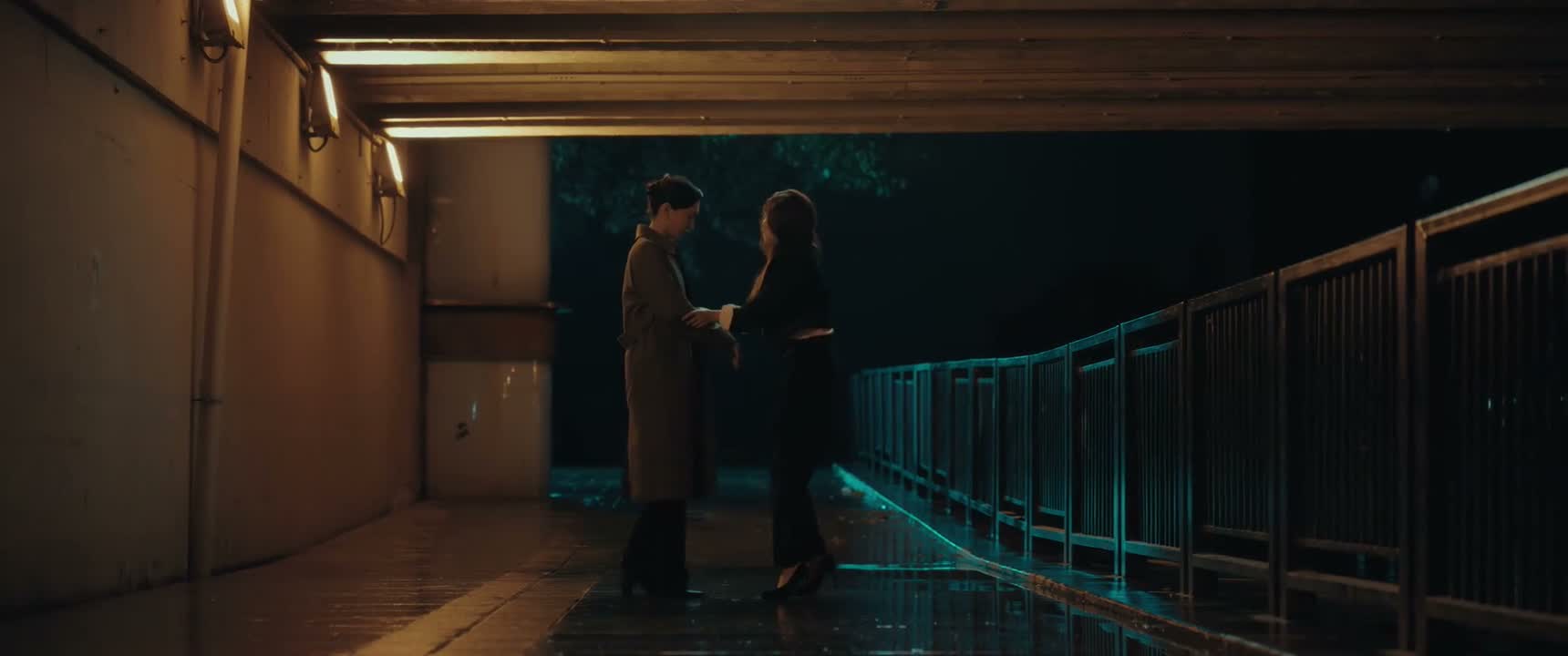
“I'm sorry. I didn't mean to. I didn't mean to.”

“I'm sorry. I don't want to hurt you. But you can't do so.”

“Sorry, I'm late. I got caught in traffic.”

“I'm sorry. I'll kneel to you.”
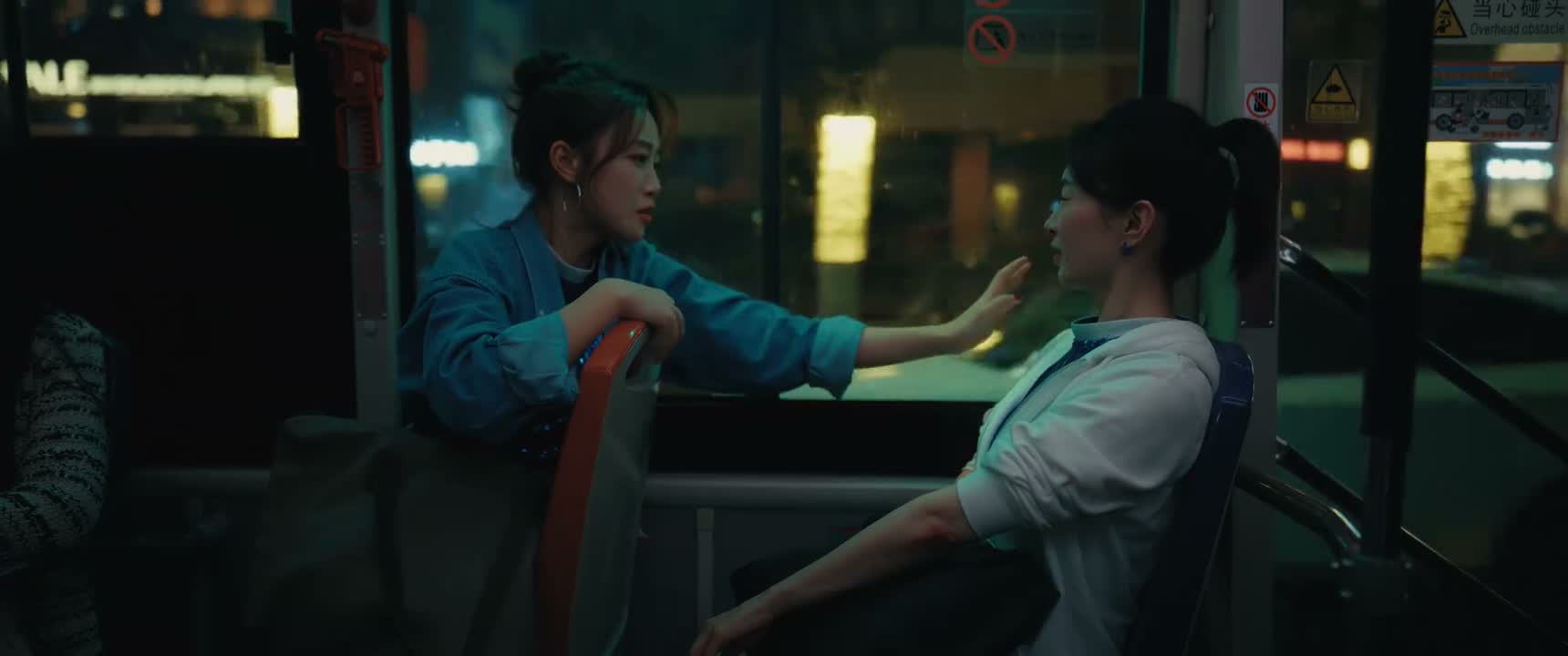
“I'm so sorry. I'll give you a massage later.”

“I'm sorry. I'm so sorry.”
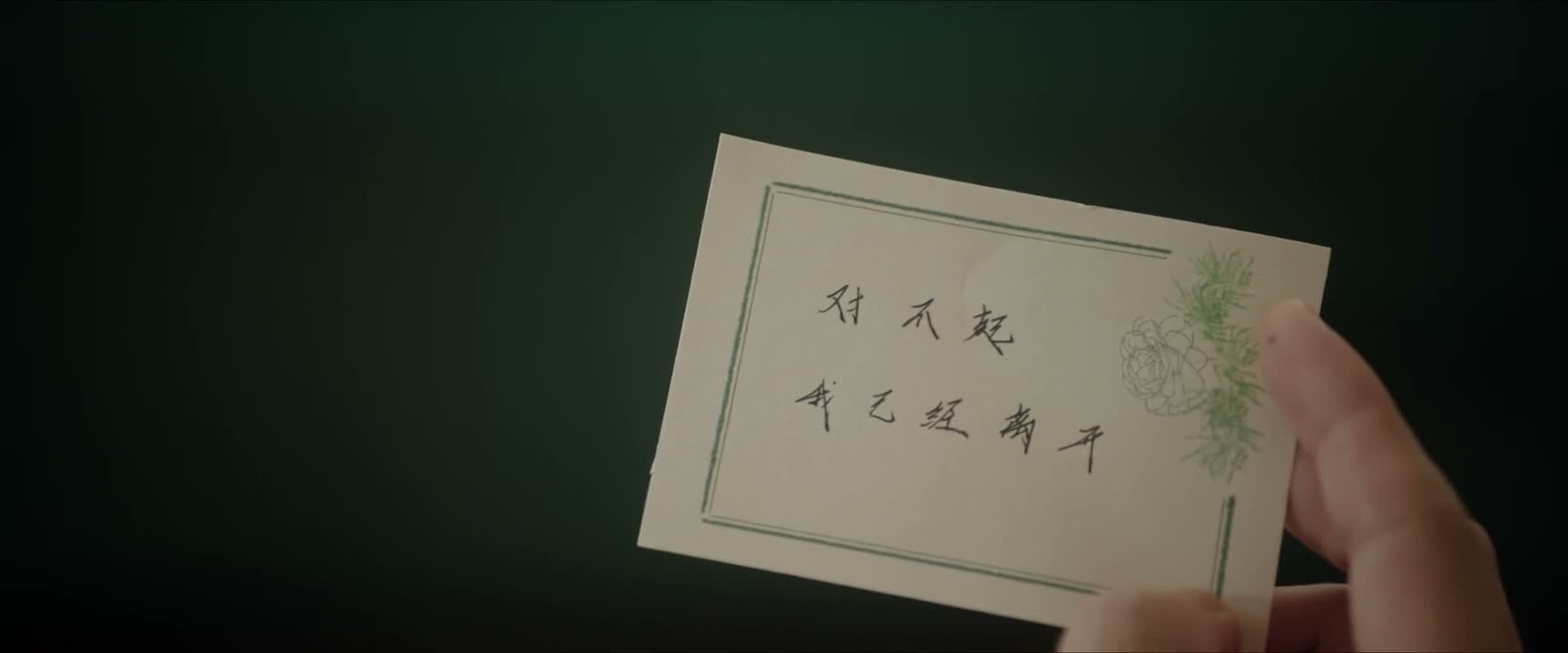
“I'm sorry. I've already left.”

“Sorry. I have to keep you alive.”

“Sorry. I have a few questions to ask and it just takes a while.”
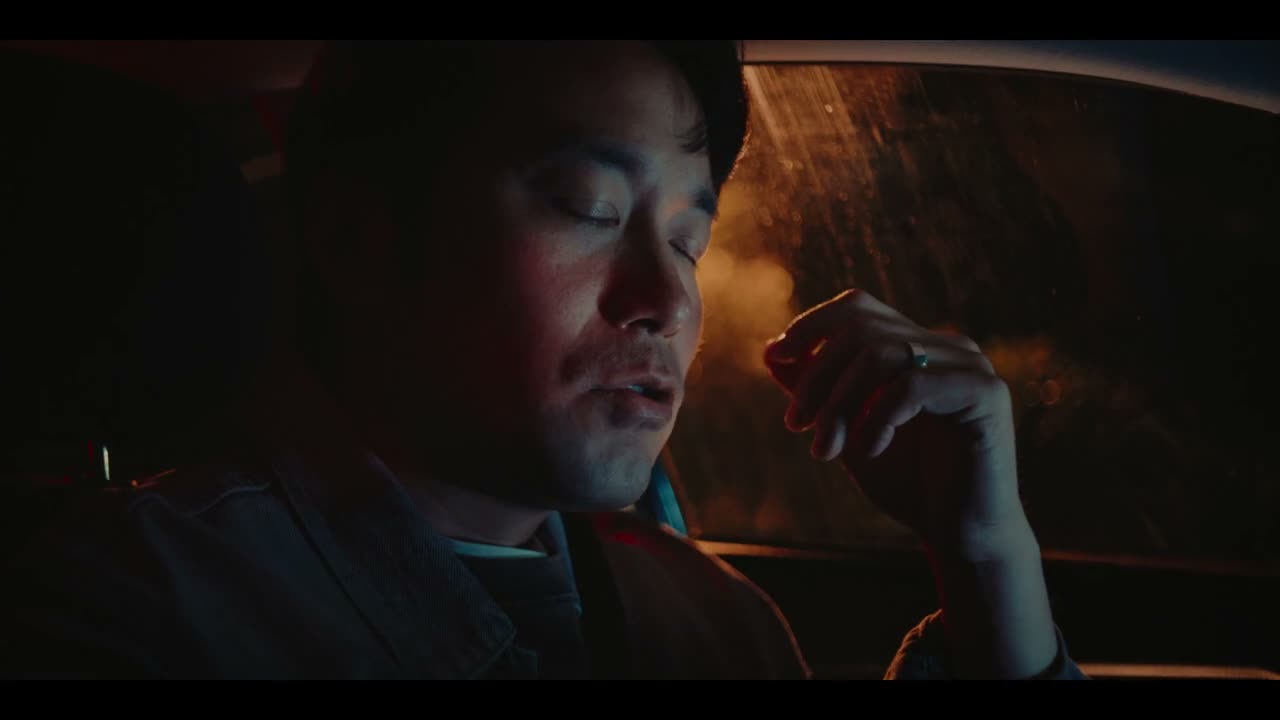
“I'm sorry. I messed everything up today.”

“I'm sorry. I-I didn't mean to hide it from you.”

“Sorry. I really didn't mean to.”

“I'm sorry. I thought... What did you”

“Sorry. That wasn't on purpose.”

“I'm sorry. I really didn't mean to.”

“Sorry. I'll go and buy you another one.”