对不起 我 我不是故意要瞒你的
“I'm sorry. I-I didn't mean to hide it from you.”
THE DIALOGUE REEL
你要回家住 我送你回去
“You're going home to stay? I'll take you back.”
对不起 我 我不是 故意 要瞒你的
“I'm sorry. I-I didn't mean to hide it from you.”
我只是想找个合适的机会
“I was just waiting for the right moment...”
“Please don't be mad at me; I wanted to tell you, but I just couldn't find the right time.”
Emphasizing 'not doing it intentionally' (不是故意的) is a primary defensive tactic in Chinese interpersonal conflict to preserve moral integrity even when an action caused harm.
LEARNING CHUNKS & PARTICLES
didn't intentionally mean to
A standard construction to deny harmful premeditation when caught in a mistake or deception.
hide/conceal the truth from you
Used with personal pronouns (瞒着你, 瞒我) to describe keeping secrets or withholding vital information.
Used at the end of the emphatic frame (不是...的) to reaffirm the speaker's true intent.
VOCABULARY & EXPRESSIONS
Parallel Spoken Cinema Scenes (语义近邻切片)

“Sorry. I really didn't mean to.”

“I'm sorry. I didn't mean to. I didn't mean to.”

“I'm sorry. I don't want to hurt you. But you can't do so.”
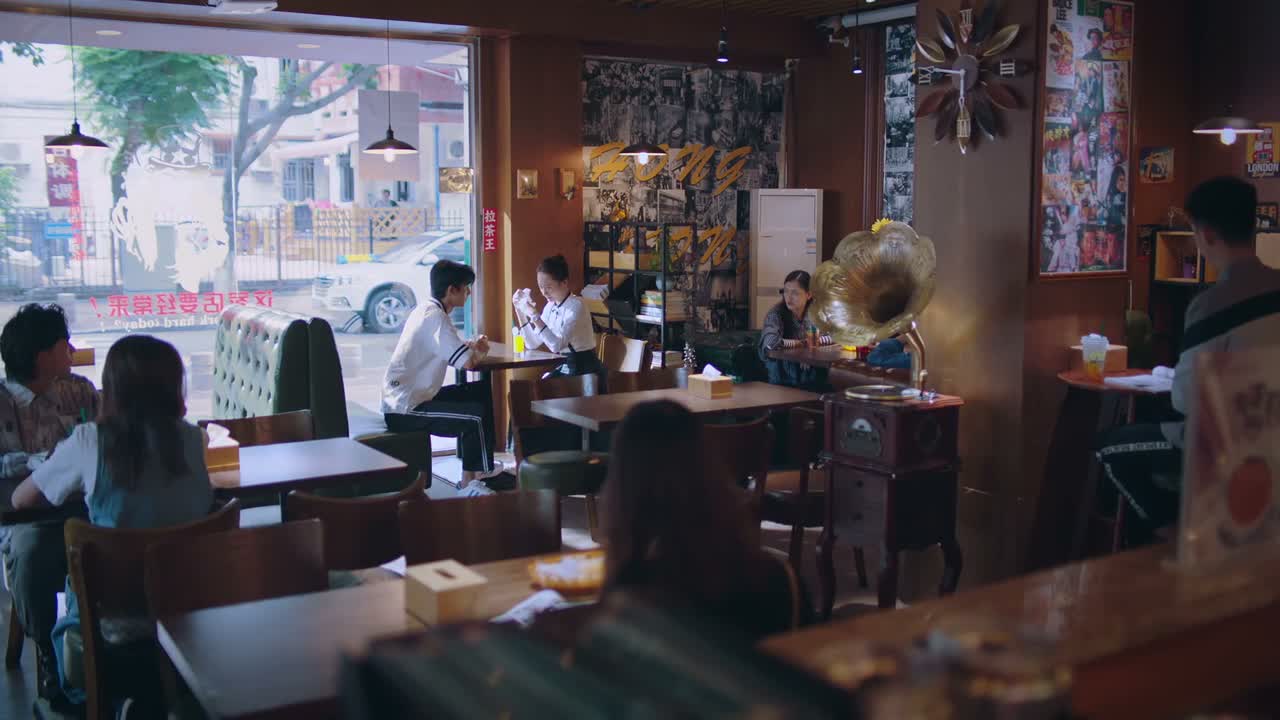
“Sorry. I just feel so bad.”

“I'm sorry. I'm so sorry.”

“I'm sorry. I've already left.”

“I'm sorry. I messed everything up today.”

“I'm sorry. I thought... What did you”

“Sorry. That wasn't on purpose.”

“I'm sorry. I really didn't mean to.”

“Sorry. I'll go and buy you another one.”