对不起 这次真的是我太冲动 太鲁莽了
“I'm sorry. I was too impulsive and reckless this time.”
THE DIALOGUE REEL
还管不住自己呢
“You can't even control yourself.”
对不起 这次 真的是我 太冲动 太 鲁莽 了
“I'm sorry. I was too impulsive and reckless this time.”
给您和公司造成了 这么不好的影响
“I've caused you and the company such a negative impact.”
Direct spoken expression in this communicative setting.
In Chinese workplace hierarchy, when making a mistake, subordinates are expected to take unambiguous personal blame and demonstrate deep self-reflection before superiors.
LEARNING CHUNKS & PARTICLES
impulsive / rash
Used to describe acting on emotion without thinking through the consequences.
reckless / crude and hasty
A formal and critical adjective often used when admitting serious behavioral errors.
Combined with '太' (太...了) to intensify the speaker's self-criticism regarding their impulsive mistake.
VOCABULARY & EXPRESSIONS
Parallel Spoken Cinema Scenes (语义近邻切片)

“I'm sorry. Why?”

“Sorry, you don't get to decide that.”

“I'm sorry. I didn't mean to. I didn't mean to.”

“I'm sorry, Ms. Zhao. Could you give me another chance?”

“I'm sorry. I'm so sorry.”
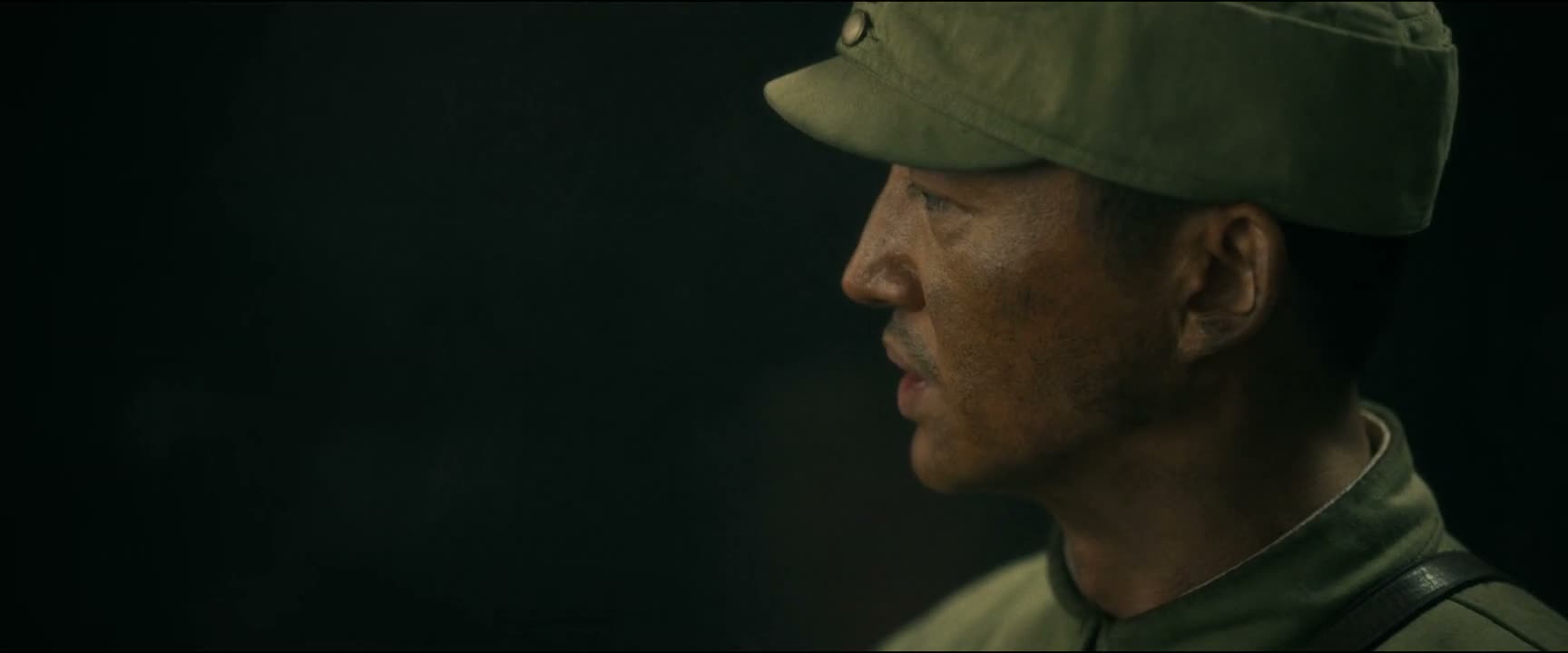
“But I'm sorry. I broke my promise again.”
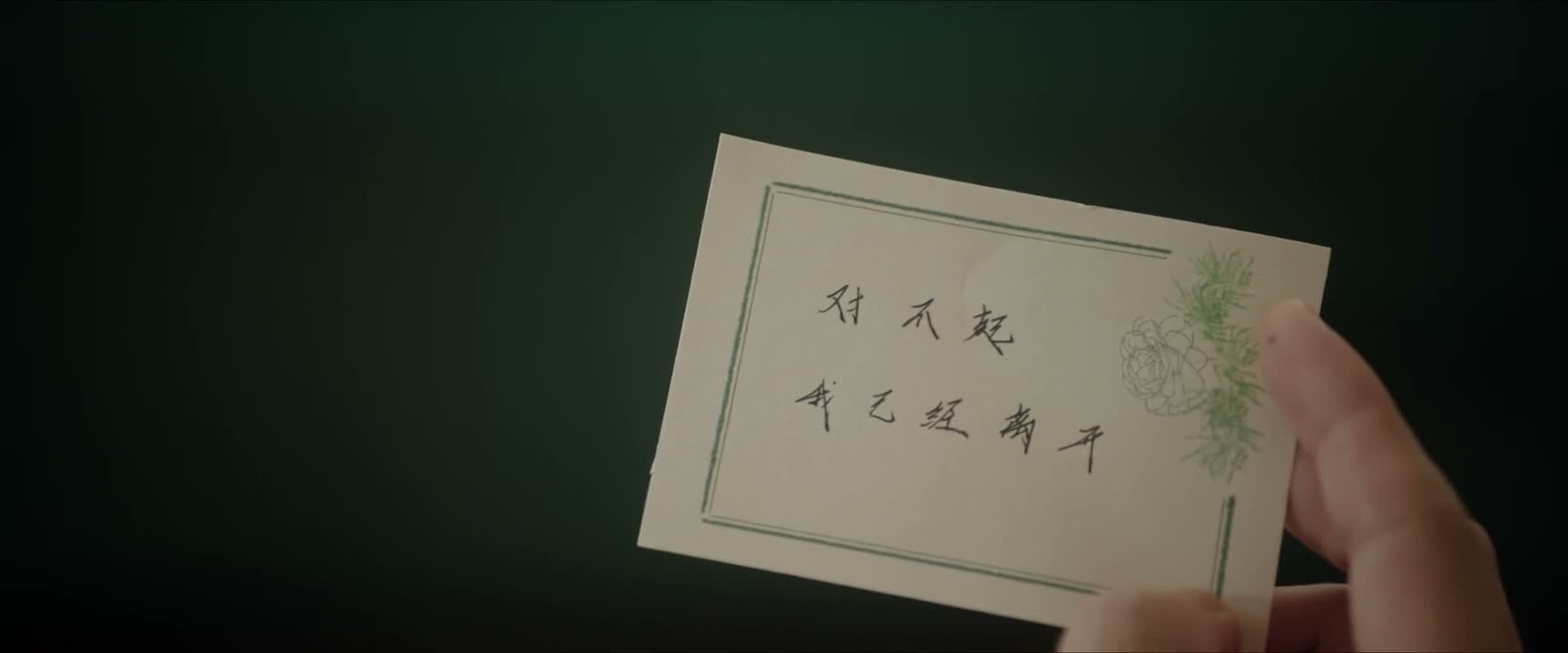
“I'm sorry. I've already left.”
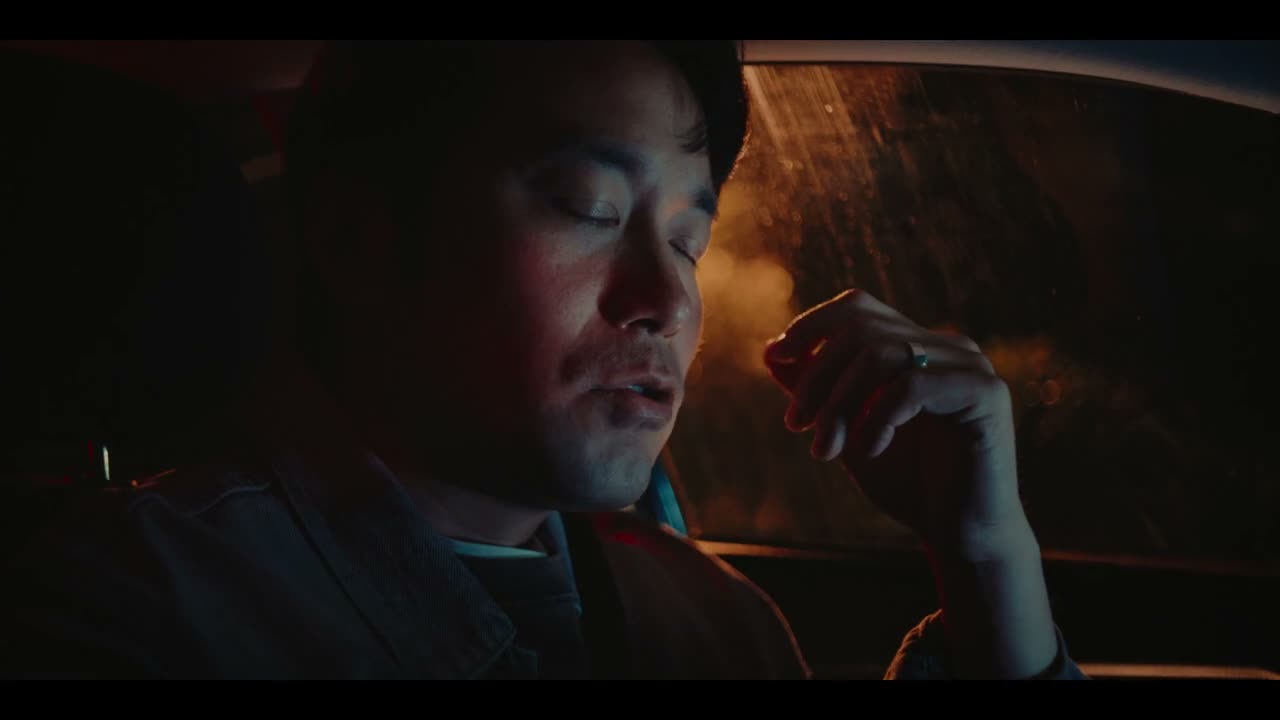
“I'm sorry. I messed everything up today.”

“Sorry. I really didn't mean to.”

“Sorry, President Yan. I need another day off.”

“I'm truly sorry.”

“Sorry. That wasn't on purpose.”

“I'm sorry. I really didn't mean to.”

“I'm sorry. I got too carried away before.”

“I'm really sorry. It's okay. No need...”