对不起 为什么
“I'm sorry. Why?”
THE DIALOGUE REEL
伤害我
“and hurt me.”
对不起 为什么
“I'm sorry. Why?”
“I hate that this happened, but help me understand what drove us to this point.”
In close Chinese relationships, an explicit apology followed immediately by asking 'why' often indicates profound emotional shock rather than a simple routine apology.
LEARNING CHUNKS & PARTICLES
I'm sorry
The primary formal and spoken expression for issuing an apology or acknowledging wrongdoing.
why
Can stand alone as an abrupt, emotionally charged demand for an explanation.
VOCABULARY & EXPRESSIONS
Parallel Spoken Cinema Scenes (语义近邻切片)
“Sorry, did I step on you?”

“Sorry. Why are you so startled? I'm clearing my throat. I, uh...”

“sorry to get you involved in our fight.”

“Sorry, you don't get to decide that.”
“- [Pin-hsuan crying] I'm sorry! I'm sorry! - Huh?!”

“Sorry, Yangyang.”

“Sorry, sorry. Get lost.”
“Sorry. - Do you think apologizing helps? - Do you think apologizing helps?”
“I'm sorry. I'm sorry.”

“I'm sorry. I'm sorry.”

“I'm sorry. I'm sorry.”
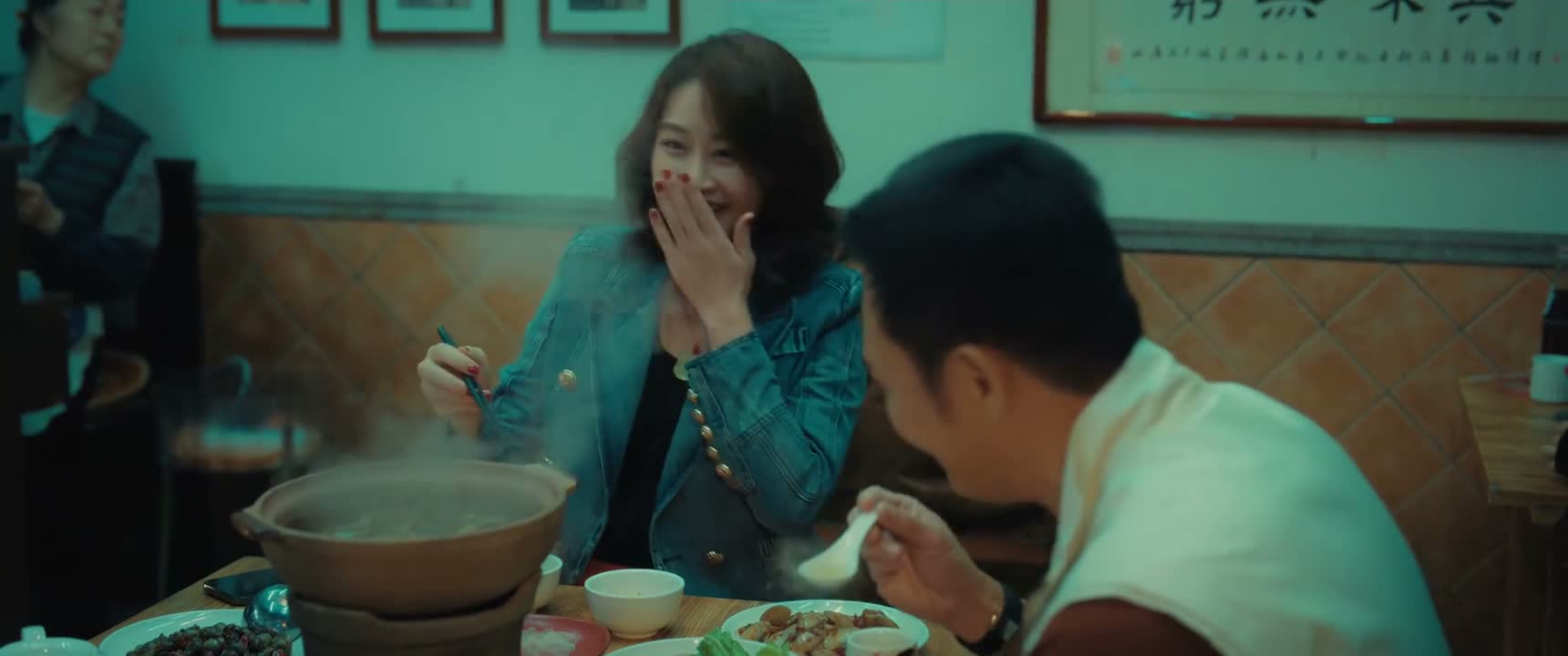
“Sorry. Pretend I didn't say that.”
“And to your friend. Satisfied now? Not yet.”
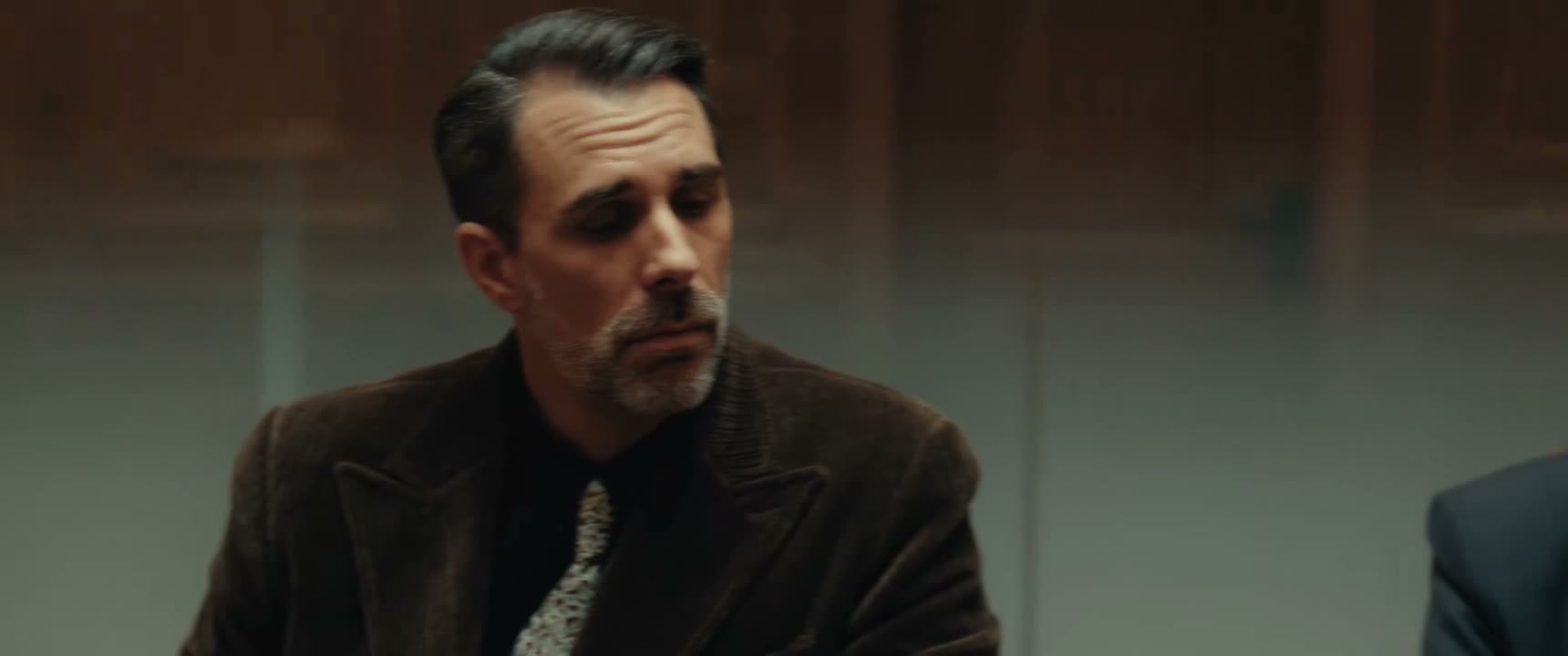
“I'm sorry, Ms. Zhao. Could you give me another chance?”

“We ran into a bit of trouble”

“Sorry. Hearing you go on like this makes me”

“♪ So why do I care for a single glance from you? ♪ I'm sorry, Shi. ♪ Drinking a pot of the past ♪”

“I'm sorry, Master.”

“I'm sorry. I was too impulsive and reckless this time.”

“Sorry. You can go on. Go on.”
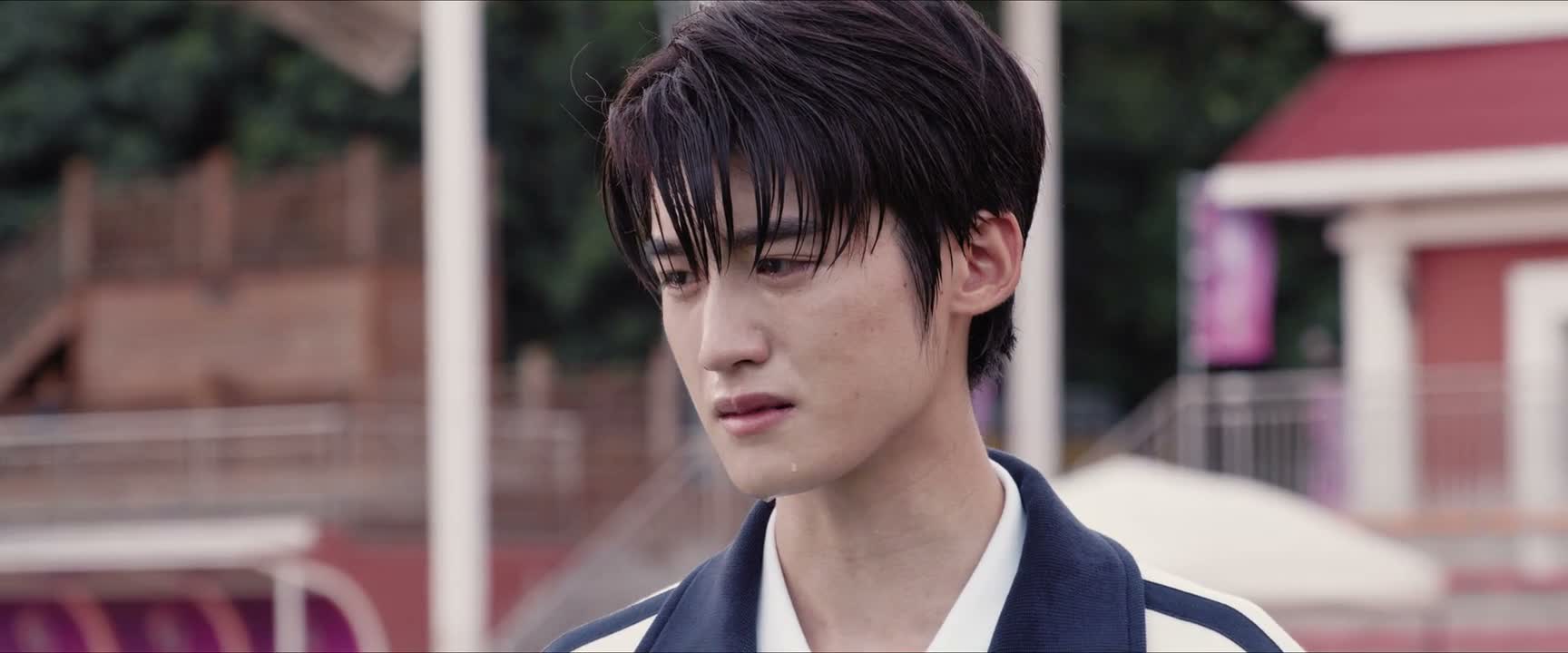
“I'm truly sorry.”

“Sorry. Sorry. I didn't mean to.”
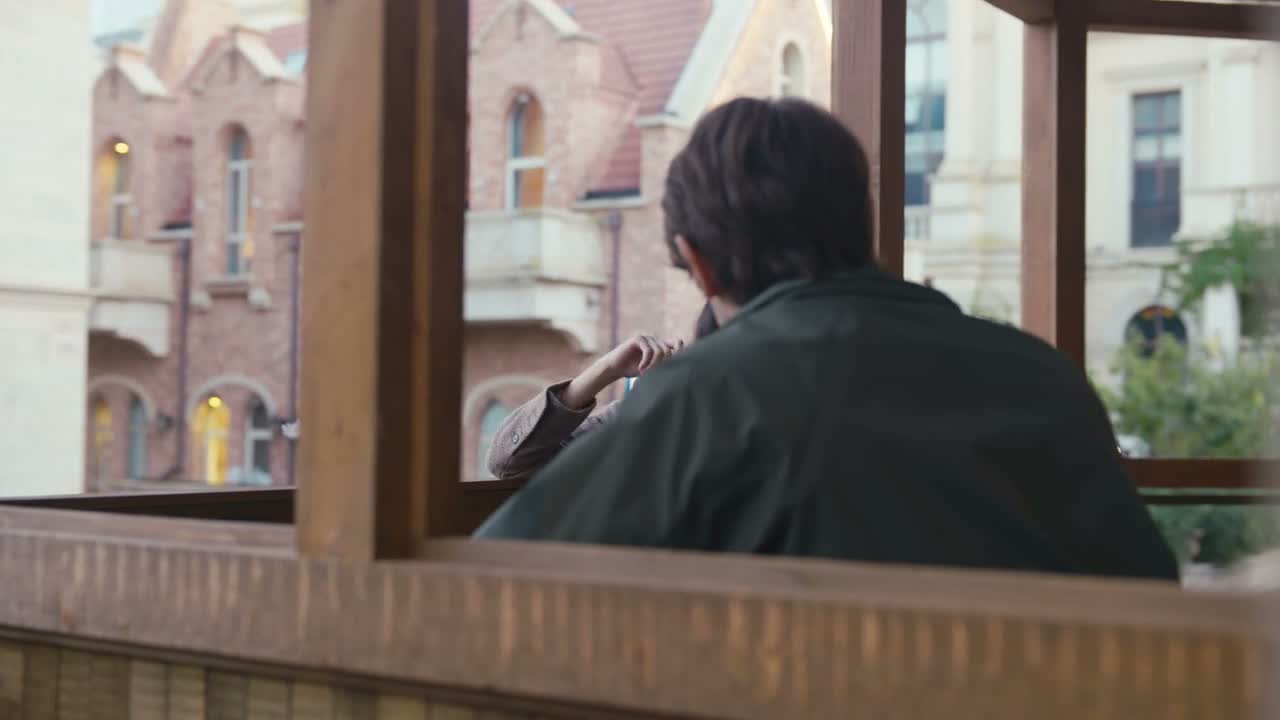
“I'm sorry. I got too carried away before.”

“I'm really sorry.”

“I'm sorry to have let you see this.”