对不起 洋洋
“Sorry, Yangyang.”
THE DIALOGUE REEL
走 走
“-Let's go. -Go.”
对不起 洋洋
“Sorry, Yangyang.”
对不起
“I'm sorry.”
Direct spoken expression in this communicative setting.
Direct verbal apologies like '对不起' are traditionally rare in traditional Chinese families, so uttering it explicitly signals significant remorse or a solemn, painful realization.
LEARNING CHUNKS & PARTICLES
I am sorry; excuse me
The standard expression for apologizing sincerely when someone has caused harm, inconvenience, or distress.
VOCABULARY & EXPRESSIONS
Parallel Spoken Cinema Scenes (语义近邻切片)

“I'm sorry. Why?”

“Sorry. Why are you so startled? I'm clearing my throat. I, uh...”

“I'm sorry. It's okay.”

“I'm sorry. To whom?”

“Sorry, sorry. Get lost.”
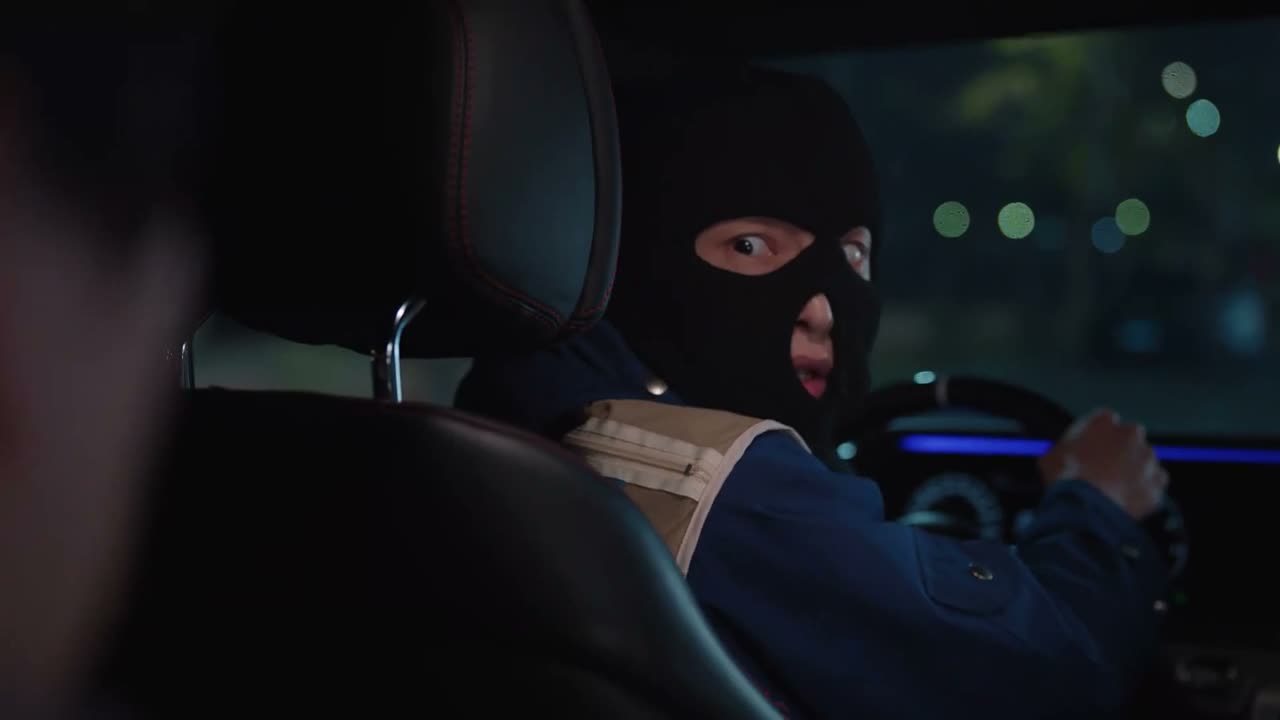
“Sorry. - Do you think apologizing helps? - Do you think apologizing helps?”

“I'm sorry. I'm sorry.”

“I'm sorry. I'm sorry.”

“I'm sorry. I'm sorry.”
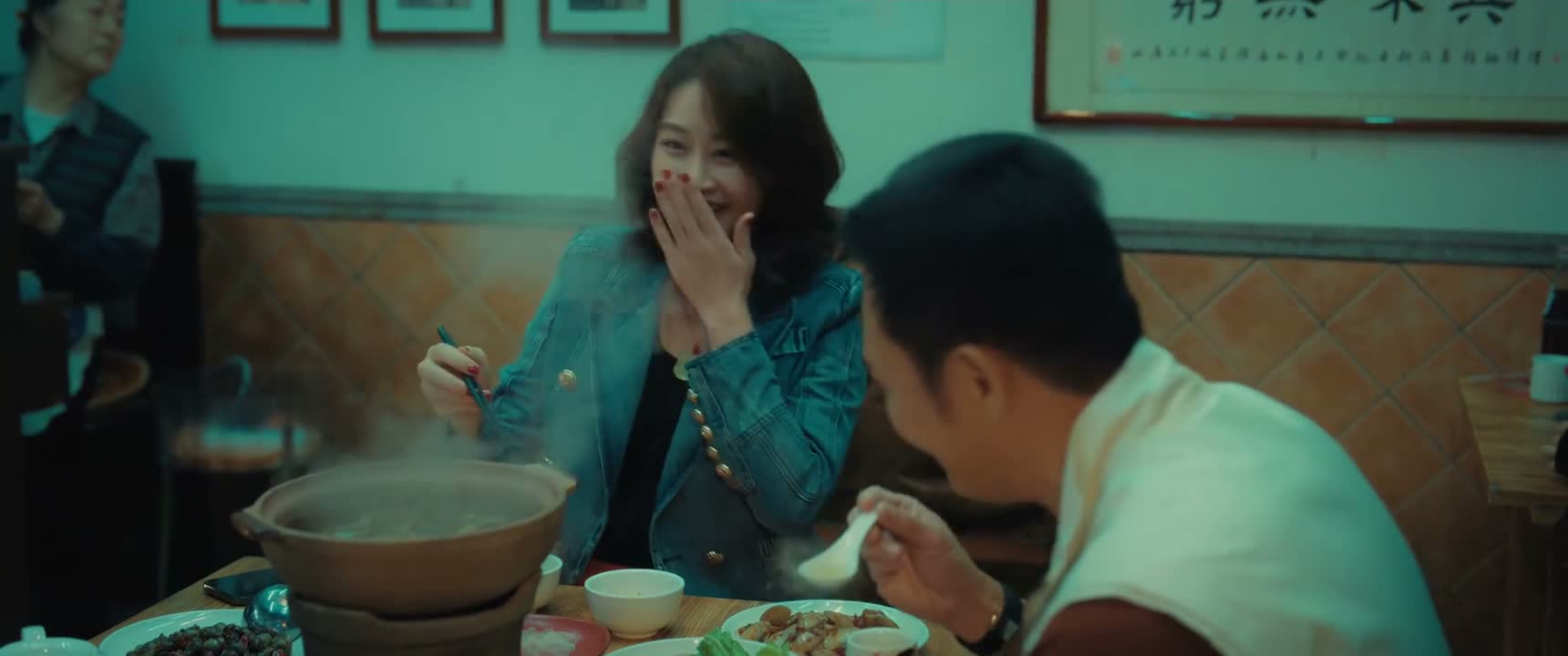
“Sorry. Pretend I didn't say that.”

“I'm sorry. I'm so sorry.”
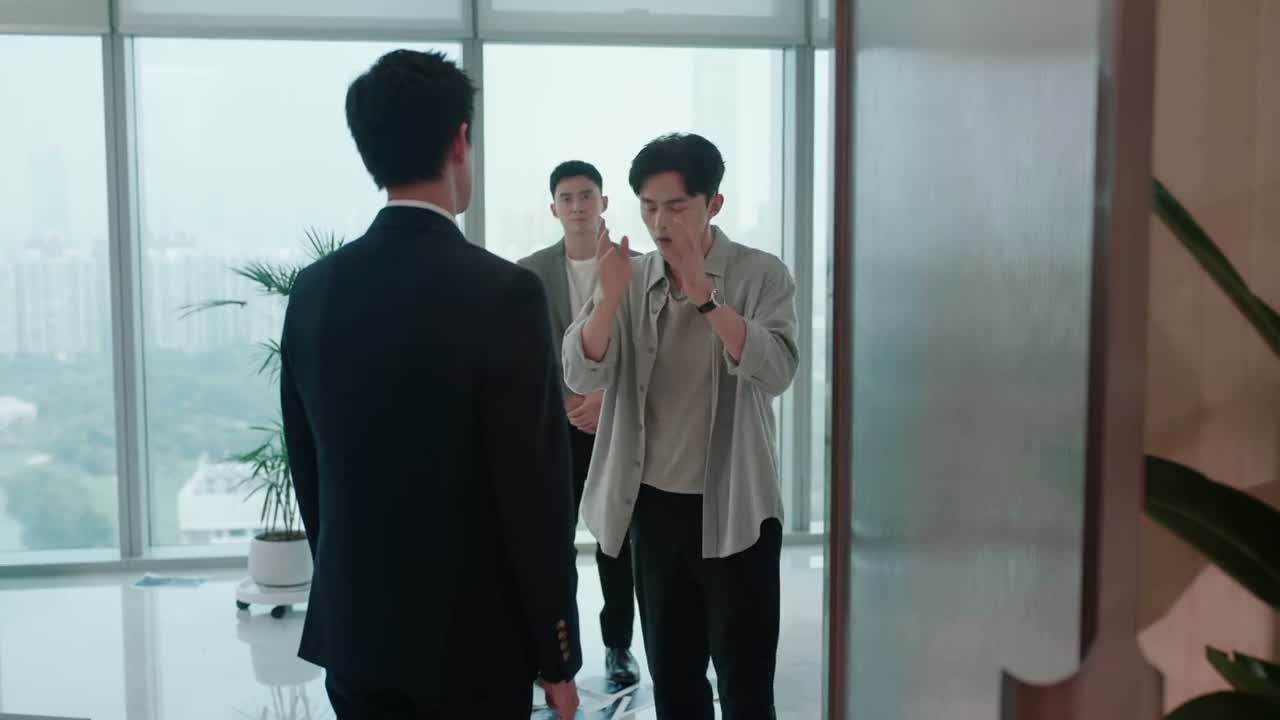
“Sorry. I'm sorry.”

“I'm sorry, Master.”
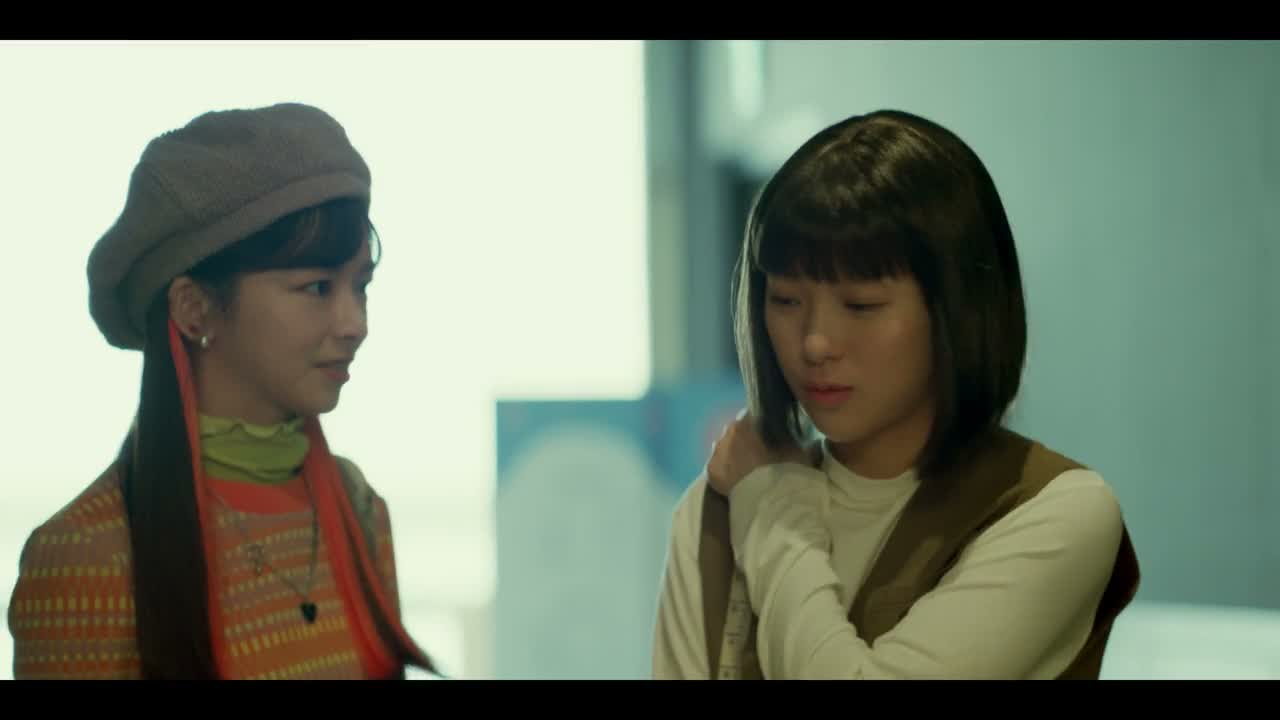
“I made you look worse.”

“Sorry. Sorry. I didn't mean to.”

“Sorry. I'll go and buy you another one.”