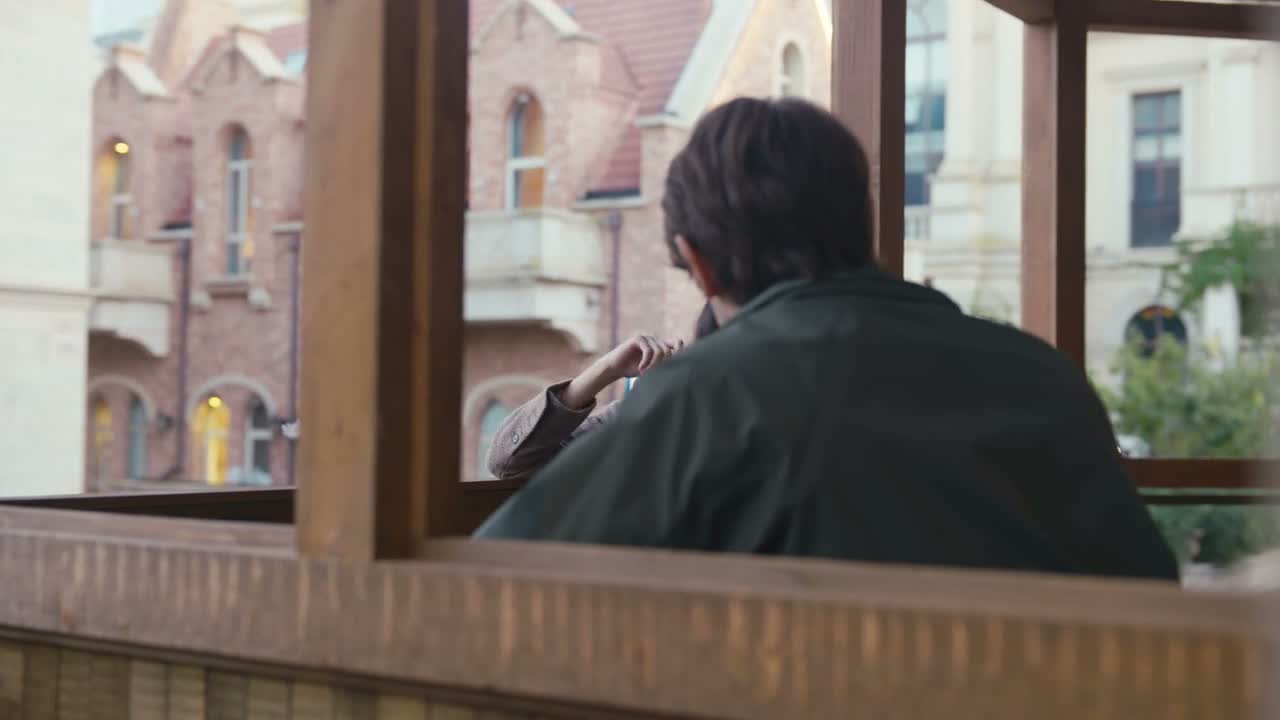
对不起 什么一惊一乍的 我清清嗓子 我那个
“Sorry. Why are you so startled? I'm clearing my throat. I, uh...”
THE DIALOGUE REEL
没事
“Okay.”
对不起 什么 一惊一乍的 我清清嗓子 我 那个
“Sorry. Why are you so startled? I'm clearing my throat. I, uh...”
精神精神
“I need to wake myself up.”
“I totally panicked, but let me pretend I was just clearing my throat so I don't look ridiculous.”
When caught exhibiting flustered behavior in public, speakers often use self-deprecating or mundane physiological excuses (like coughing or throat-clearing) to salvage composure and move past the embarrassment.
LEARNING CHUNKS & PARTICLES
to be easily startled; to act jittery or hysterical
Used colloquially to describe someone reacting disproportionately to minor stimuli or creating unnecessary tension.
to clear one's throat
Frequently used literally or figuratively as an excuse when someone gets caught off guard while speaking.
Nominalizes the descriptive phrase '一惊一乍' to dismiss the accusation as unwarranted.
VOCABULARY & EXPRESSIONS
Parallel Spoken Cinema Scenes (语义近邻切片)

“Blah, blah, blah. Sorry, you've lost me.”

“I'm sorry. Why?”

“sorry to get you involved in our fight.”
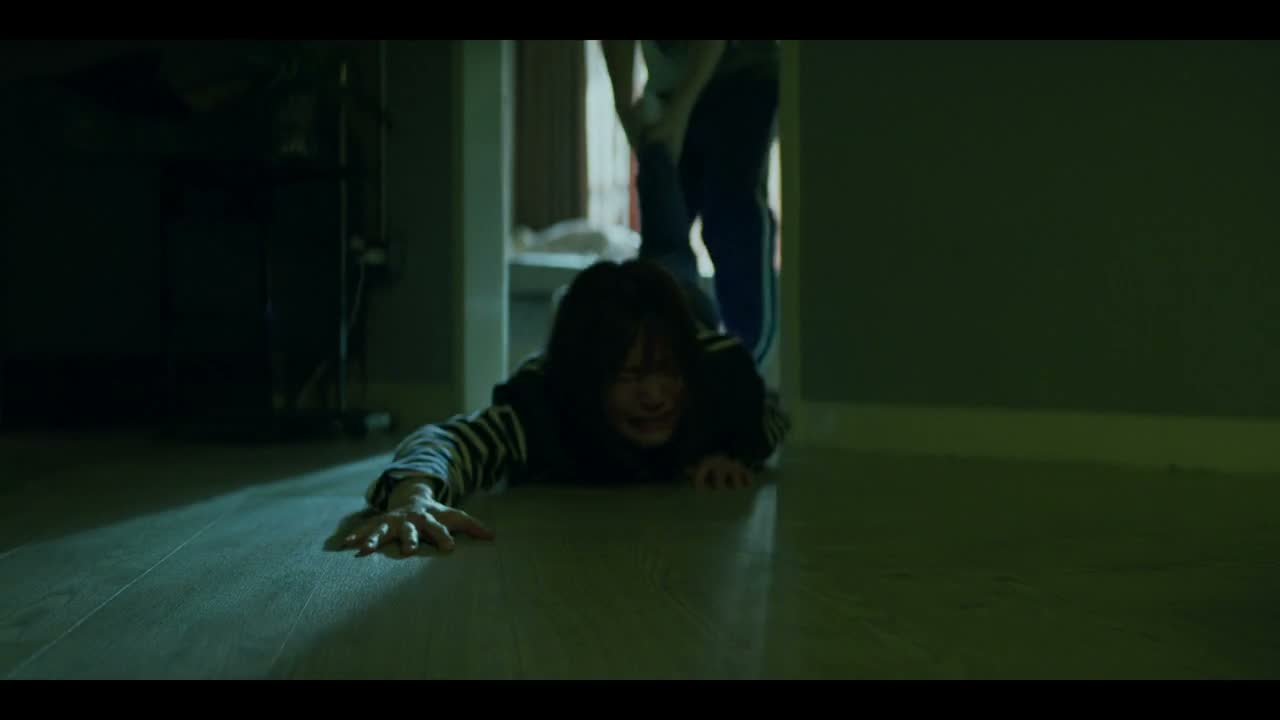
“- [Pin-hsuan crying] I'm sorry! I'm sorry! - Huh?!”

“Sorry, Yangyang.”
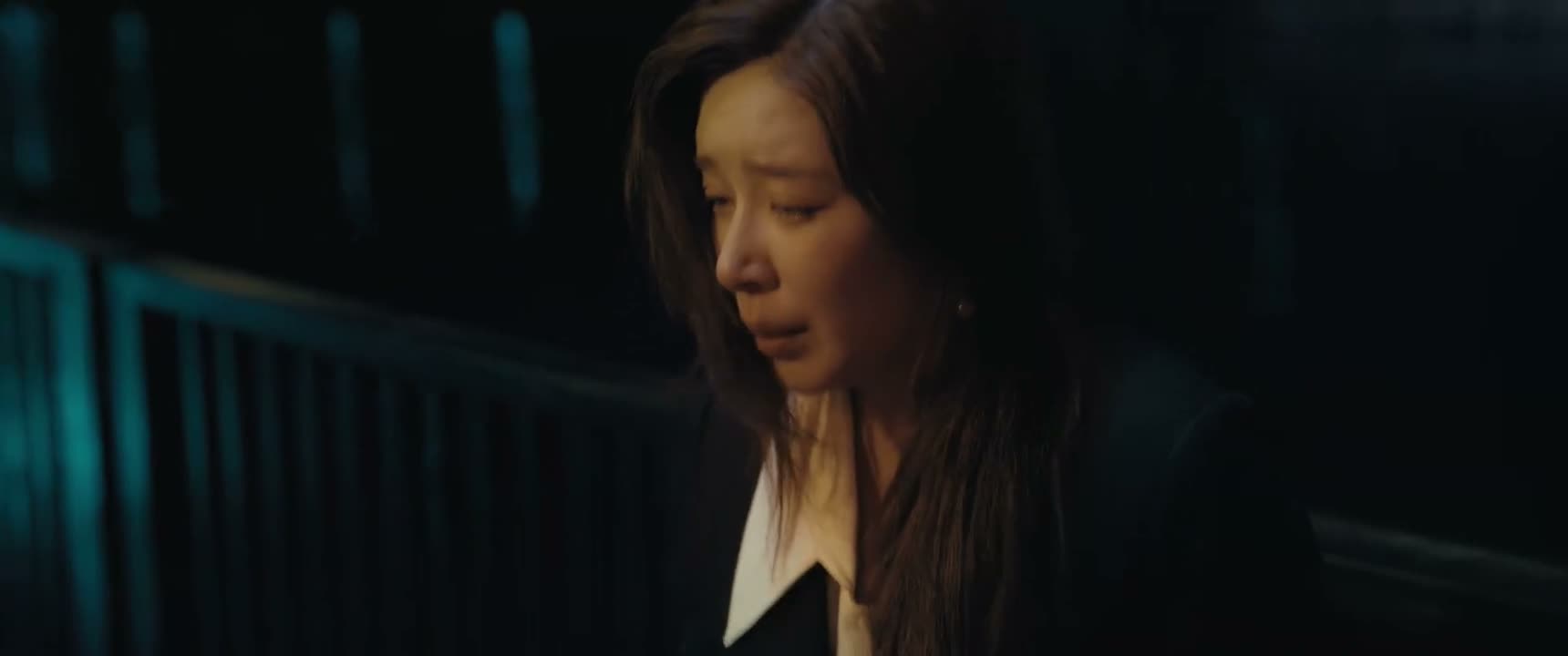
“I'm sorry. I'm sorry.”

“I'm sorry. I'm sorry.”

“I'm sorry. I'm sorry.”
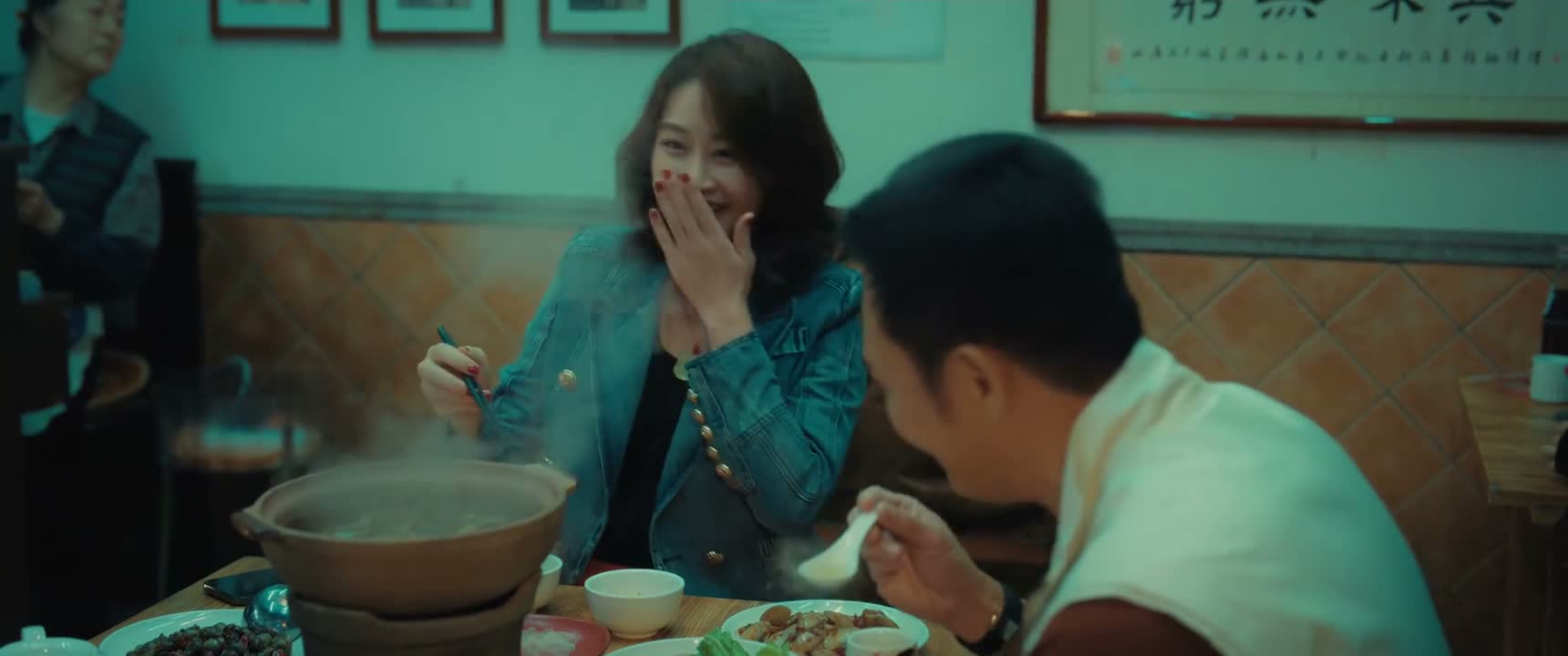
“Sorry. Pretend I didn't say that.”

“Sorry. Hearing you go on like this makes me”

“I'm sorry. I'm so sorry.”

“♪ So why do I care for a single glance from you? ♪ I'm sorry, Shi. ♪ Drinking a pot of the past ♪”

“I'm sorry. Please cooperate with us. Rescuing patients”
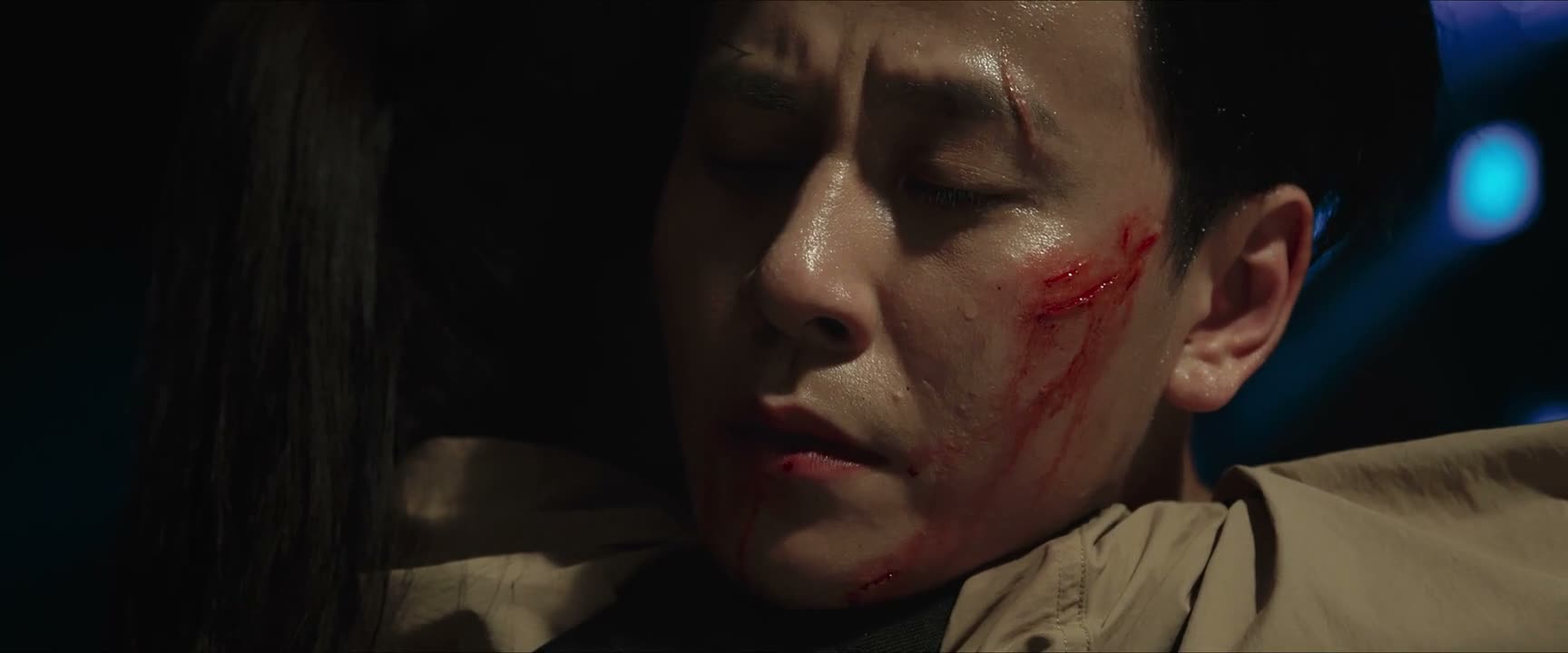
“I'm sorry. Will you forgive me?”

“Sorry. Sorry. I didn't mean to.”
“I'm sorry. I got too carried away before.”

“I'm sorry to have let you see this.”