对不起 你在这儿念叨吧 我就感觉
“Sorry. Hearing you go on like this makes me”
THE DIALOGUE REEL
被你气死了
“You're driving me crazy.”
对不起 你 在这 儿 念叨 吧 我就 感觉
“Sorry. Hearing you go on like this makes me”
我这个心里就慌呀 我胆战心惊的 你跟我说这些
“feel uneasy. I'm scared out of my mind. You tell me all this,”
“Please shut up, your constant nagging is driving me insane.”
In close Chinese family dynamics, expressing anxiety through repetitive nagging often creates emotional pressure, prompting defensive pushback.
LEARNING CHUNKS & PARTICLES
to harp on; to nag repeatedly; to talk incessantly
Commonly used in spoken Northern Chinese to describe someone constantly repeating complaints or worries.
Softens the conditional setup while conveying weary concession or reluctant tolerance.
VOCABULARY & EXPRESSIONS
Parallel Spoken Cinema Scenes (语义近邻切片)

“I-I'm sorry. I didn't know you were here.”
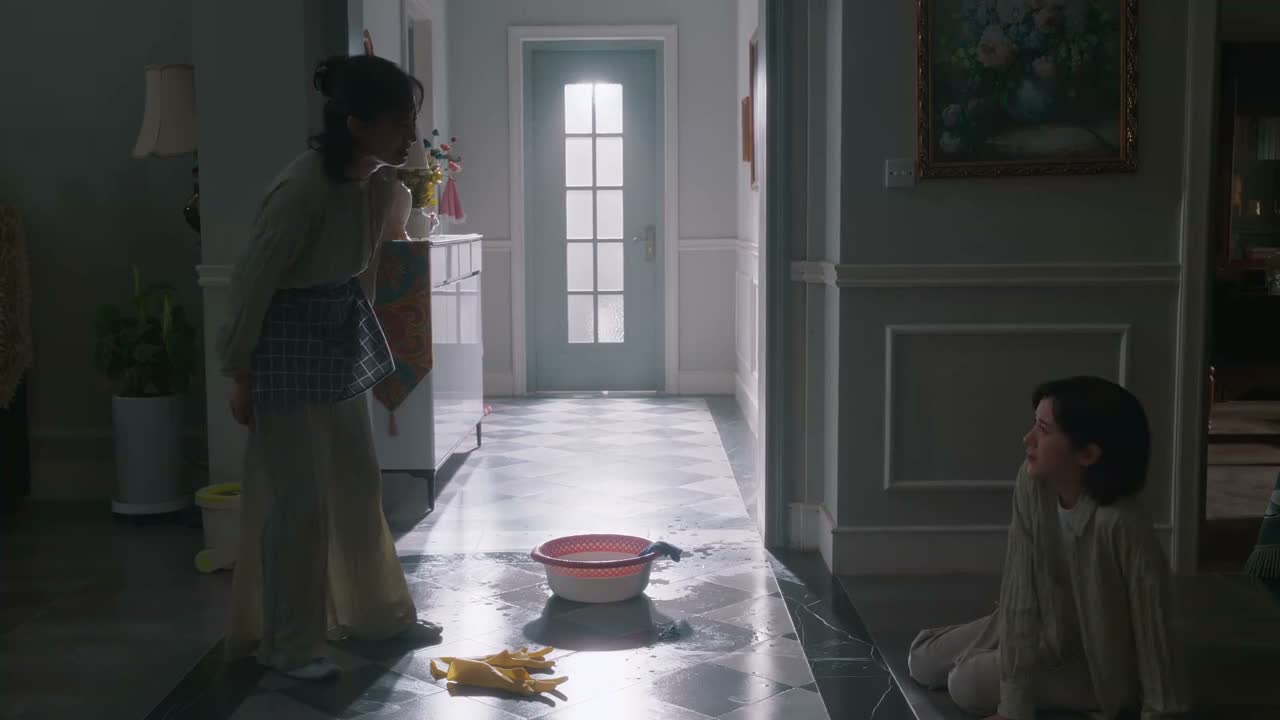
“I'm sorry. Why?”

“Sorry. Why are you so startled? I'm clearing my throat. I, uh...”

“sorry to get you involved in our fight.”

“Sorry, you don't get to decide that.”

“Sorry. Pretend I didn't say that.”
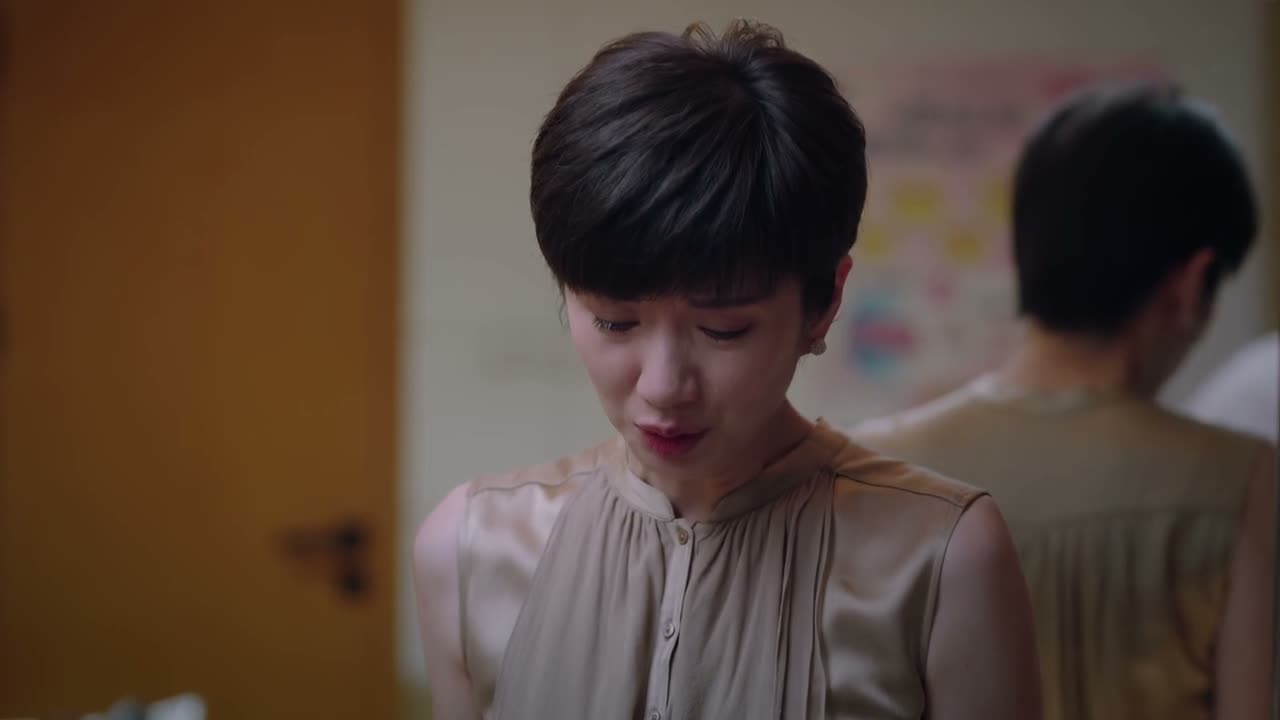
“Sorry. Don't say sorry.”
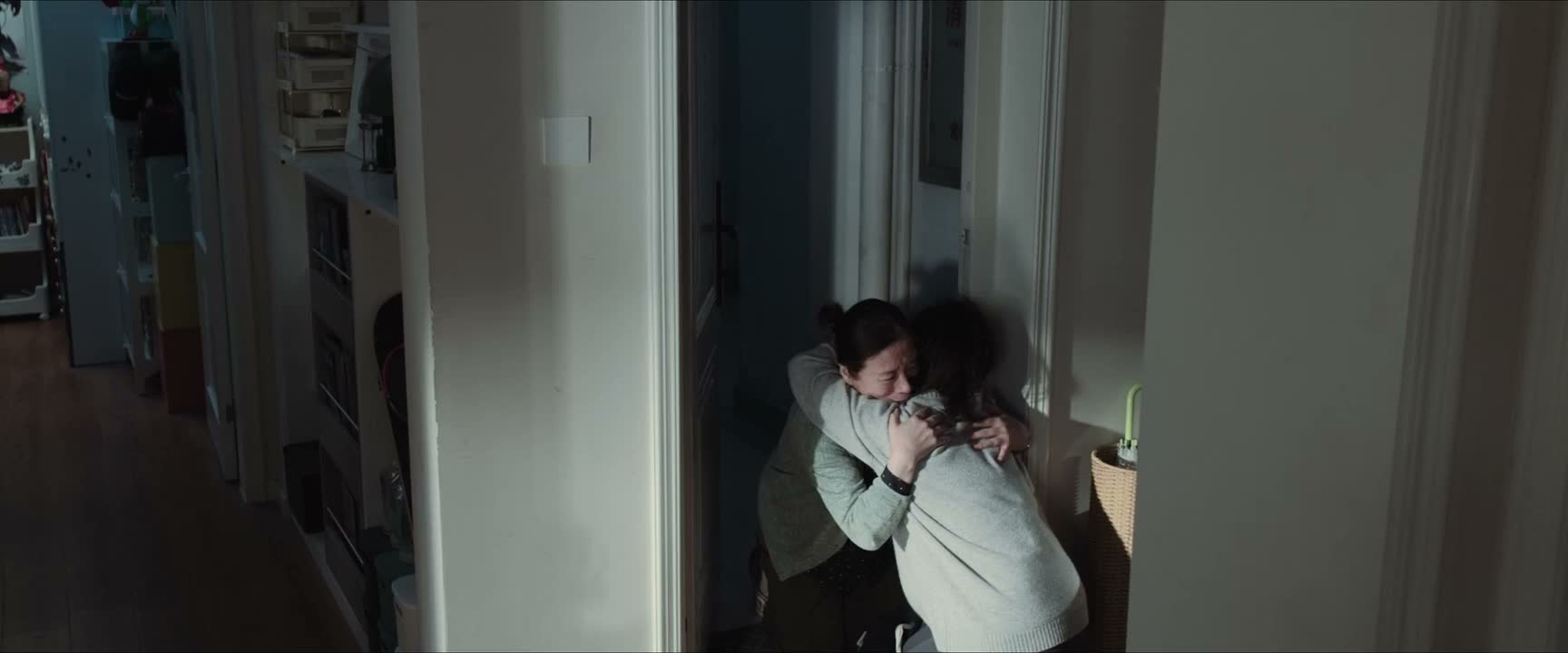
“Sorry, Ling. I'm so sorry.”

“I'm sorry. I'm so sorry.”

“♪ So why do I care for a single glance from you? ♪ I'm sorry, Shi. ♪ Drinking a pot of the past ♪”

“I'm sorry, miss. He's not around me.”

“I'm sorry. Will you forgive me?”

“Sorry. Don't worry. I won't tell anyone about this.”

“I'm sorry. I got too carried away before.”

“Sorry. We were a bit loud yesterday. We apologize.”

“I'm sorry to have let you see this.”